
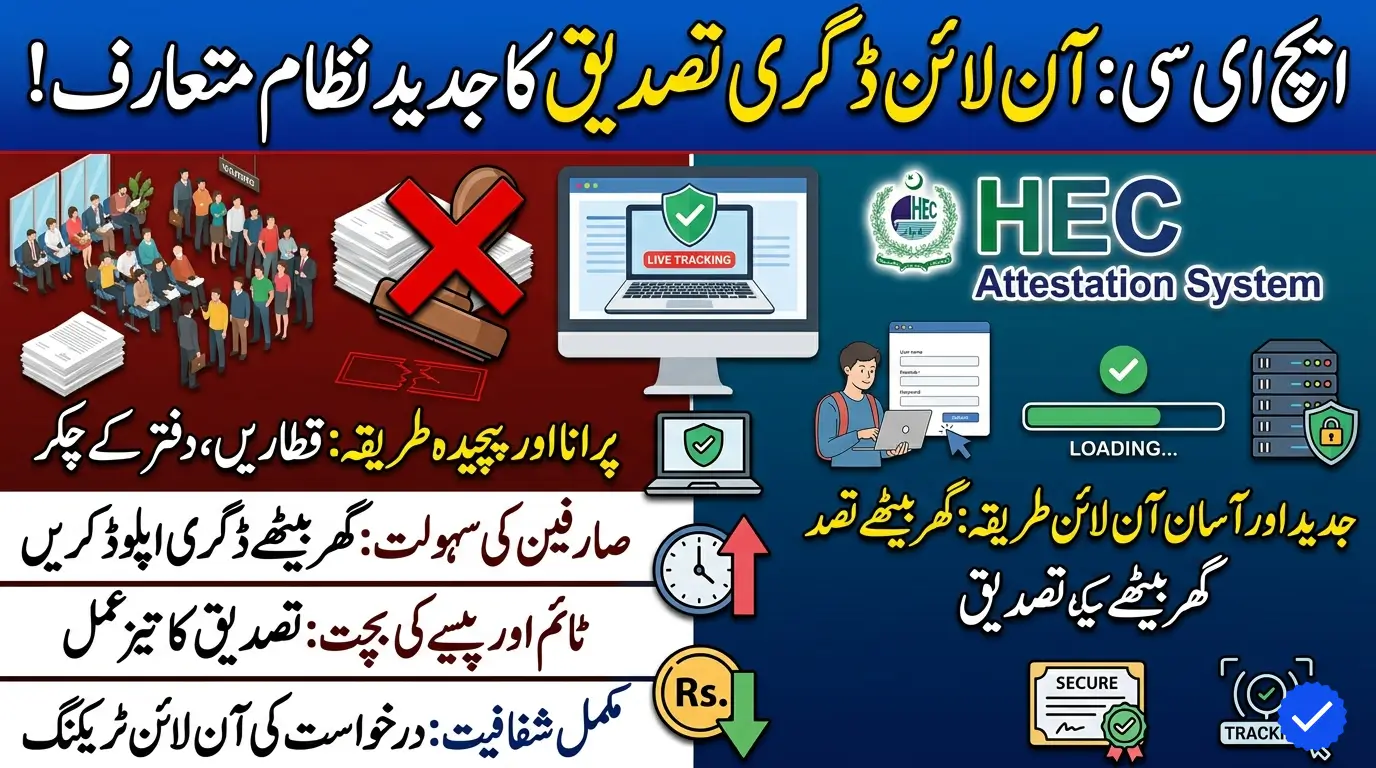
HEC Launches Online Degree
The Higher Education Commission has taken a major step toward digital transformation by launching a new online degree attestation system. This initiative, which came into effect on May 1, 2026, is designed to make the verification process more efficient, accessible, and user-friendly for applicants across the country. By eliminating the need for physical visits to HEC offices, the new system addresses long-standing challenges faced by students and graduates.
Broadband Internet Companies Fail Their Most Basic Test in Latest PTA Survey

For years, degree attestation in Pakistan has been a time-consuming and often frustrating process. Applicants were required to visit HEC offices in person, sometimes traveling long distances and waiting in queues for hours. The introduction of this online platform marks a significant shift toward modernization, reflecting the government’s broader push for digital services and improved public sector efficiency.
A Major Shift Toward Digital Services
The newly introduced system allows applicants to complete the entire attestation process online, from submission to tracking. This means users can upload their documents, fill out required forms, and monitor the status of their applications without leaving their homes. The move represents a clear transition from manual procedures to a fully digital workflow.
This transformation is particularly important in a country like Pakistan, where access to government offices can be challenging for people living in remote areas. By digitizing the process, the HEC has made its services more inclusive and accessible to a wider population. Students from smaller towns and rural regions can now benefit from the same level of convenience as those living in major cities.
CM Punjab Officially Launches Rahmat Card Program for Widows and Orphans
Benefits of the Online Attestation System
One of the most notable advantages of the new system is the time it saves for applicants. Previously, individuals often had to make multiple visits to HEC offices to complete their attestation. Each visit involved travel expenses, waiting time, and administrative delays. The online system eliminates these hurdles, allowing users to complete the process much more quickly.
In addition to saving time, the system also reduces costs. Applicants no longer need to spend money on transportation, accommodation, or other expenses associated with visiting HEC offices. This is especially beneficial for students and job seekers who may already be facing financial constraints.
Another key benefit is improved transparency. The digital platform allows users to track their applications in real time, providing clear updates on the status of their requests. This reduces uncertainty and builds trust in the system. Applicants can easily see where their application stands and how long it is likely to take.
Oil Prices Start Falling After Iran Sends Pakistan Its Final Proposal to End US War
Addressing Challenges of the Old System
Before the introduction of the online platform, the degree attestation process was largely manual. With thousands of applications being processed each year, the system often struggled to keep up with demand. This resulted in delays, errors, and inconvenience for applicants.
Long queues at HEC offices were a common sight, particularly during peak seasons such as graduation periods. Many applicants had to wait for hours, sometimes even days, to complete their attestation. In some cases, incomplete documentation or administrative issues required multiple visits, further adding to the frustration.
The new online system aims to eliminate these problems by streamlining the entire process. Automated checks and digital records reduce the chances of errors, while online submission ensures that applications are processed more efficiently. This not only improves the user experience but also enhances the overall performance of the system.
Power Minister Announces End of Load shedding After April Torture
Enhancing Efficiency and Transparency
Efficiency is one of the primary goals of the new attestation system. By automating various steps in the process, the HEC can handle a larger number of applications in a shorter period of time. This is particularly important given the growing demand for degree verification in both local and international job markets.
Transparency is another important aspect of the system. Digital records make it easier to verify the authenticity of degrees and prevent fraudulent activities. Employers and institutions can have greater confidence in the attestation process, knowing that it is backed by a reliable and secure system.
The use of technology also allows for better data management. Information can be stored, retrieved, and analyzed more effectively, enabling the HEC to make informed decisions and improve its services over time.
Relief Dead As Pakistan Inflation Shoots Up to Highest Level in Almost 2 Years
Impact on Students and Professionals
The introduction of the online attestation system is expected to have a positive impact on students, graduates, and professionals across Pakistan. For many individuals, degree attestation is a crucial step in pursuing higher education or employment opportunities, both within the country and abroad.
By simplifying the process, the HEC has made it easier for applicants to achieve their academic and career goals. Students applying for foreign universities, for example, can now complete their attestation more quickly and meet application deadlines with greater ease. Similarly, job seekers can provide verified documents to employers without unnecessary delays.
The system also benefits professionals who need attested degrees for promotions, certifications, or other career advancements. With a more efficient process in place, individuals can focus on their goals rather than administrative hurdles.
Govt Increases Petrol Price Yet Again
Future of Digital Governance in Pakistan
The launch of the online degree attestation system is part of a broader trend toward digital governance in Pakistan. Government institutions are increasingly adopting technology to improve service delivery and enhance public satisfaction.
This shift is not only about convenience but also about building a more transparent and accountable system. Digital platforms reduce the risk of corruption, minimize human error, and provide a clear record of transactions. As more services move online, citizens can expect a more streamlined and efficient interaction with government agencies.
The success of the HEC’s initiative could serve as a model for other departments looking to modernize their operations. By embracing digital solutions, Pakistan can improve its administrative efficiency and better meet the needs of its population.
Tax on Diesel Increased By Rs. 28.7/Litre in Late Night Surprise, Petrol Levy Cut
FAQs
1. What is the new HEC online attestation system?
It is a digital platform introduced by the Higher Education Commission that allows users to apply for degree attestation online without visiting offices.
2. When did the system become operational?
The online attestation system officially came into effect on May 1, 2026.
3. What are the main benefits of this system?
The system saves time, reduces costs, improves accessibility, and provides better transparency through online tracking.
4. Do applicants still need to visit HEC offices?
No, the new system eliminates the need for physical visits, as the entire process can be completed online.
5. Who can use this online system?
Students, graduates, and professionals across Pakistan who need degree attestation can use this platform.
Miftah Ismail Reveals Shocking Trick Govt Uses to Drop Petrol Bombs on Citizens
Final Words
The introduction of the online degree attestation system by the Higher Education Commission represents a significant milestone in Pakistan’s journey toward digital transformation. By making the process faster, more accessible, and transparent, the initiative addresses long-standing challenges and improves the overall experience for applicants. While there may still be room for further enhancements, this step sets a strong foundation for modernizing public services and empowering citizens through technology.