
Pakistan Fuel Prices
Fuel prices in Pakistan have reached alarming levels, placing a heavy financial burden on citizens and businesses alike. Recent data reveals that a significant portion of what consumers pay at the pump is not just the base price of fuel but a combination of taxes, levies, and distribution costs. This complex pricing structure has sparked widespread concern, as people struggle to cope with increasing transportation and living expenses.
HEC Launches Online Degree Attestation System
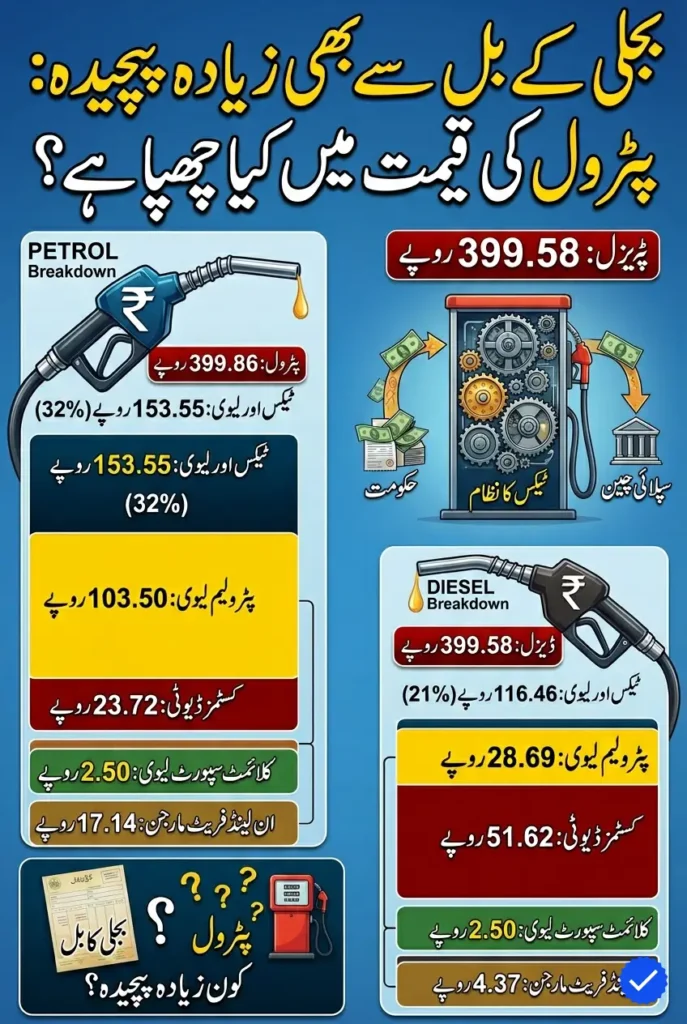
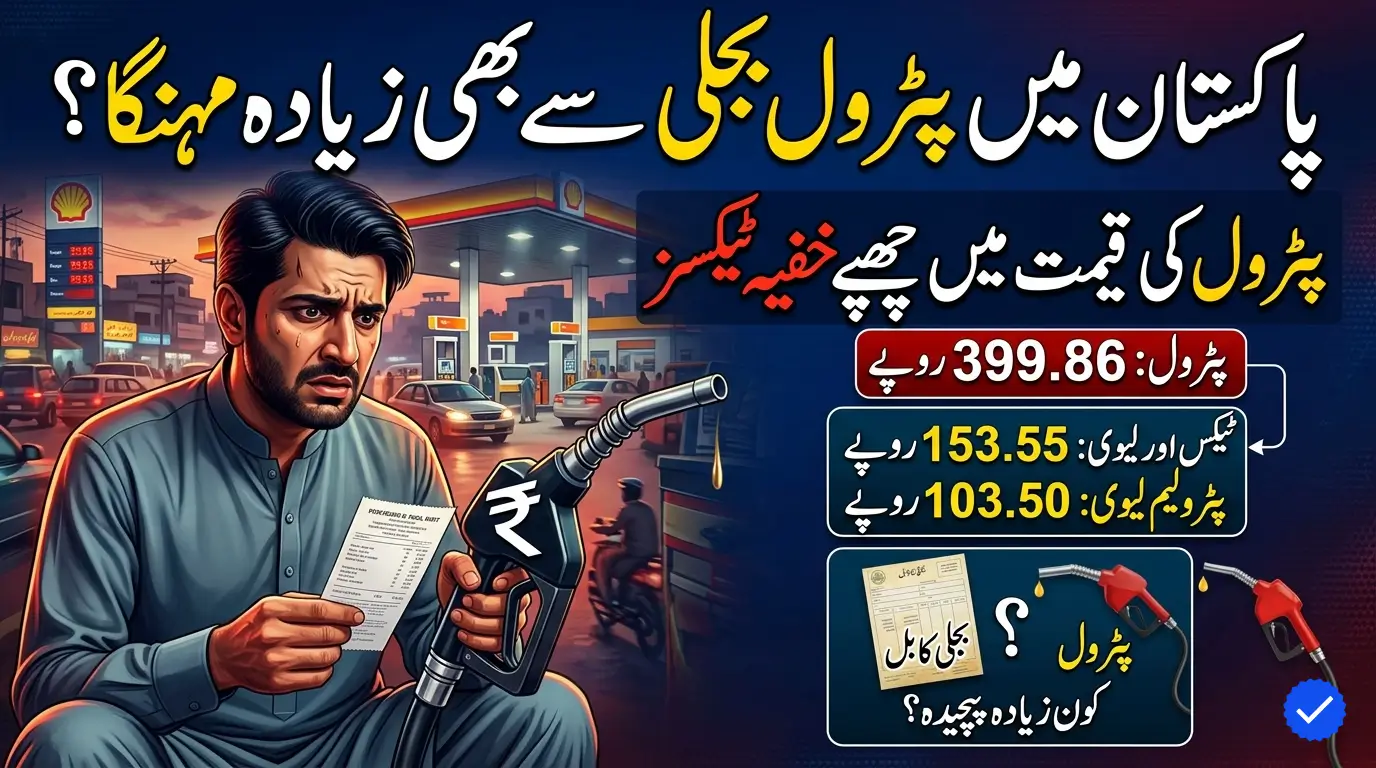
The government recently approved a fresh hike in fuel prices, increasing diesel by Rs. 19.39 per liter and petrol by Rs. 6.51 per liter. As a result, petrol is now priced at Rs. 399.86 per liter, while diesel stands at Rs. 399.58 per liter. These figures highlight how close fuel prices are to crossing the Rs. 400 threshold, a level that would have seemed unimaginable just a few years ago. However, what is even more concerning is the breakdown of these prices, which shows that taxes and additional charges make up a substantial portion.
The Petrol Pricing Breakdown
When examining petrol prices, it becomes clear that consumers are paying far more than just the cost of fuel itself. Approximately Rs. 153.55 per liter is made up of various taxes, levies, and margins. The largest contributor is the petroleum levy, which alone accounts for around Rs. 103.50 per liter. This levy has become a major source of government revenue, significantly inflating the retail price of petrol.
In addition to the petroleum levy, a customs duty of Rs. 23.72 per liter is imposed. There is also a climate support levy of Rs. 2.50 per liter, introduced as part of environmental and fiscal measures. Beyond taxes, operational costs further push prices higher. Inland freight margins, which cover transportation costs, amount to Rs. 17.14 per liter.
Oil marketing companies also take a share, earning approximately Rs. 7.87 per liter as profit. Meanwhile, petrol pump dealers receive Rs. 8.64 per liter as commission. When all these components are combined, taxes and associated charges make up roughly 32 percent of the final petrol price. This means that nearly one-third of what consumers pay does not reflect the actual cost of fuel but rather government and supply-chain expenses.
Punjab Likely to Extend Free Public Transport Facility for Another Month
Diesel Pricing and Its Economic Role
Diesel, which plays a crucial role in transportation, agriculture, and industry, follows a similar pricing structure but with some variations. Consumers pay around Rs. 116.46 per liter in combined taxes and margins on diesel. While this is lower than petrol, it still represents a significant burden.
The customs duty on diesel is particularly high, standing at approximately Rs. 51.62 per liter. The petroleum levy adds another Rs. 28.69 per liter, along with the same Rs. 2.50 climate support levy. Additional costs include inland freight margins of Rs. 4.37 per liter, oil marketing company profits of Rs. 7.87, and dealer commissions of Rs. 8.64.
Taxes make up about 21 percent of diesel prices. Although this percentage is lower than petrol, the impact of diesel prices is far-reaching. Since diesel is widely used in goods transportation and farming machinery, any increase directly affects the cost of goods and food production, contributing to inflation.
Comparison with Electricity Bills
Interestingly, fuel pricing in Pakistan has become even more complex than electricity billing. While electricity bills include fixed charges, unit costs, and taxes, fuel prices now carry a heavier load of hidden and indirect charges. This shift indicates a growing reliance on fuel-related taxes as a revenue source for the government.
Unlike electricity, where consumption can sometimes be controlled, fuel is essential for daily commuting, goods transport, and industrial activity. This makes it harder for consumers to reduce their expenses, further intensifying the financial strain.
Broadband Internet Companies Fail Their Most Basic Test in Latest PTA
Economic and Social Impact
The rising cost of fuel has widespread economic implications. Higher fuel prices increase transportation costs, which in turn raise the prices of goods and services. This creates a ripple effect across the economy, contributing to overall inflation.
For households, the impact is immediate and visible. Daily commuting becomes more expensive, and the cost of essential items continues to rise. For businesses, especially those reliant on logistics, higher diesel prices reduce profit margins and may lead to increased prices for consumers.
Moreover, the heavy reliance on fuel taxes raises questions about long-term sustainability. While these taxes provide short-term revenue for the government, they also slow down economic activity and place additional pressure on already struggling citizens.
Government Perspective and Challenges
From the government’s perspective, fuel taxes are an important source of revenue, especially in times of fiscal deficit. The petroleum levy, in particular, has become a key tool for meeting financial targets and obligations.
However, balancing revenue generation with public affordability remains a major challenge. Frequent increases in fuel prices can lead to public dissatisfaction and economic instability. Policymakers must find ways to diversify revenue sources while minimizing the burden on consumers.
Possible Solutions and Way Forward
To address the issue, several measures can be considered. Reducing reliance on fuel taxes and exploring alternative revenue streams could help ease the burden on consumers. Improving public transportation systems would also reduce dependency on personal vehicles, lowering overall fuel consumption.
Investing in renewable energy and promoting energy efficiency are long-term solutions that can reduce the country’s dependence on imported fuel. Additionally, better regulation of supply-chain costs and margins could help control price increases.
CM Punjab Officially Launches Rahmat Card Program for Widows
FAQs
1. Why are fuel prices so high in Pakistan?
Fuel prices are high due to a combination of international oil prices, government taxes, petroleum levies, and distribution costs.
2. What is the petroleum levy?
It is a government-imposed charge on fuel that significantly contributes to the overall price and serves as a major revenue source.
3. Why is diesel important for the economy?
Diesel is widely used in transportation, agriculture, and industry, making it essential for economic activities and supply chains.
4. How do fuel prices affect inflation?
Higher fuel prices increase transportation and production costs, which leads to higher prices for goods and services.
5. Can fuel prices decrease in the future?
Fuel prices may decrease if global oil prices fall or if the government reduces taxes and levies, but this depends on economic conditions.
Final Words
Pakistan’s fuel pricing structure highlights a growing dependence on taxes and levies, making fuel significantly more expensive for consumers. While these charges help the government generate revenue, they also place a heavy burden on the public and the economy. Addressing this issue requires a balanced approach that ensures financial stability without compromising the affordability of essential resources like fuel.
Oil Prices Start Falling After Iran Sends Pakistan Its Final Proposal to End US