
CM Punjab Officially Launches Rahmat Card
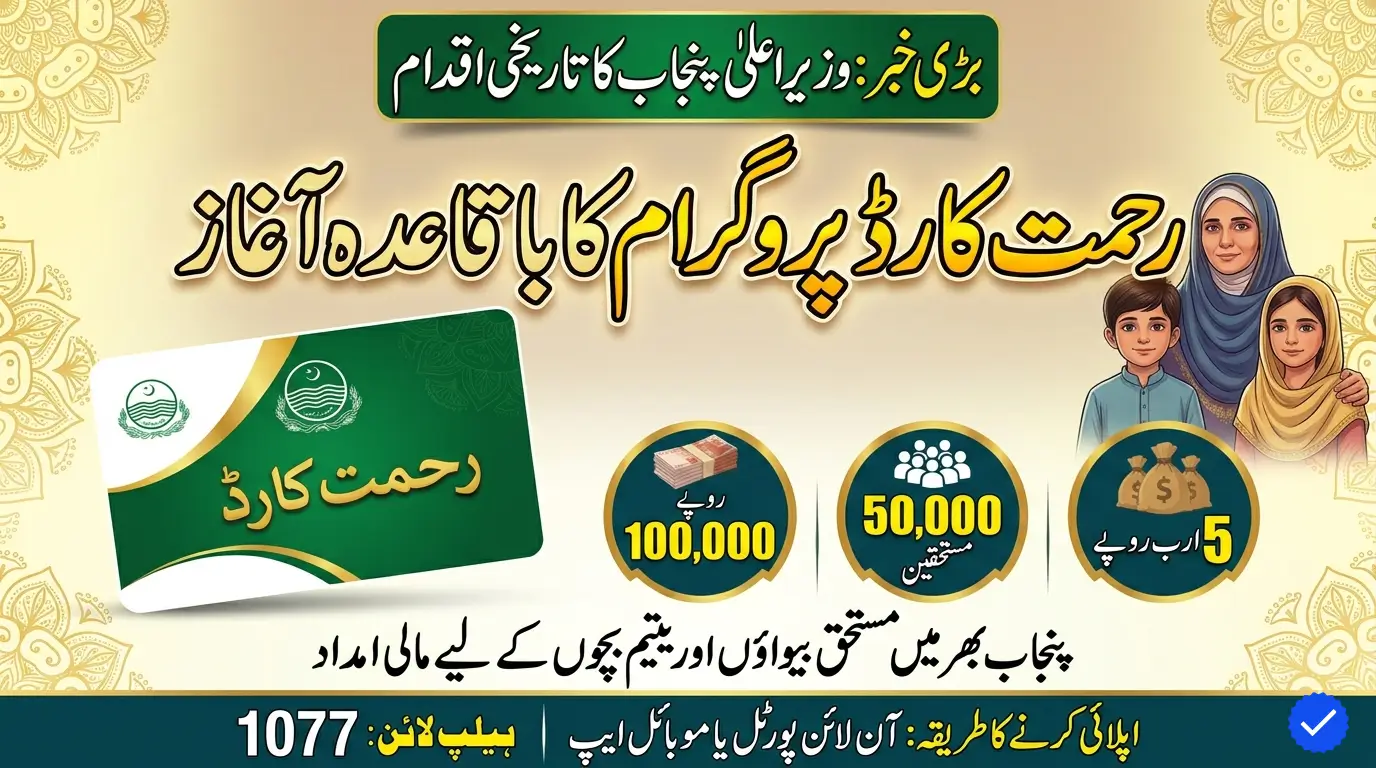
The Government of Punjab has taken a significant step toward social welfare by officially launching the Rahmat Card program, a first-of-its-kind initiative aimed at providing financial assistance to widows and orphan children across the province. The program was digitally inaugurated by Maryam Nawaz Sharif, marking a major milestone in the province’s efforts to strengthen its social safety net.
Oil Prices Start Falling After Iran Sends Pakistan Its Final Proposal to End US

According to official details shared during the launch ceremony, the Rahmat Card program will benefit approximately 50,000 deserving individuals. A substantial amount of Rs. 5 billion has been allocated from the provincial Zakat Fund to ensure the smooth implementation of the initiative. This large-scale funding reflects the government’s commitment to addressing poverty and supporting vulnerable segments of society.
Key Features of the Rahmat Card Initiative
Under this program, each eligible widow and orphan child will receive financial assistance of Rs. 100,000. The objective is to provide immediate economic relief and help beneficiaries manage essential expenses such as food, healthcare, and education. The initiative specifically targets those who qualify for Zakat under Islamic principles, ensuring that the aid reaches the most deserving individuals.
Eligibility criteria have been clearly defined to maintain fairness and transparency. Only Muslim widows and orphan children who meet the Shariah requirements for Zakat are eligible. Government employees, pensioners, and Sahib-e-Nisab individuals are excluded from the program to prevent misuse of funds and ensure that assistance is directed toward those who genuinely need it.
Transparent Application and Selection Process
The application process for the Rahmat Card program has been designed to be accessible and user-friendly. Applicants can submit their requests through an official online portal or via a dedicated mobile application. Additionally, a helpline has been established to assist individuals who may require guidance or have questions about the application process.
Beneficiaries will be selected through the Punjab Socio-Economic Registry, a comprehensive database that helps identify low-income households. This system ensures that the selection process is based on verified data rather than subjective judgment. For applicants who are not already registered in the database, their information will be verified through National Database and Registration Authority, further strengthening the credibility of the program.
District quotas have also been introduced to ensure equitable distribution of funds across different regions of Punjab. This approach aims to prevent concentration of benefits in specific areas and promote inclusivity throughout the province.
Power Minister Announces End of Load shedding After April Torture
Digital Disbursement and Financial Inclusion
One of the most notable aspects of the Rahmat Card program is its digital payment system. Financial assistance will be distributed through mobile wallet accounts, specifically via JazzCash. This method not only ensures transparency but also promotes financial inclusion by encouraging beneficiaries to adopt digital financial services.
To further facilitate recipients, the Punjab government has decided to bear the service charges associated with these wallet accounts. This step removes an additional financial burden from beneficiaries and ensures that they receive the full amount of assistance without deductions.
The use of digital platforms also reduces the risk of corruption and delays, as funds can be transferred directly to recipients without intermediaries. This modern approach aligns with global trends in social welfare programs and highlights the government’s focus on efficiency and accountability.
Commitment to Transparency and Merit
During the inauguration, Chief Minister Maryam Nawaz Sharif emphasized the importance of transparency, fairness, and merit in the utilization of Zakat funds. She directed authorities to ensure that the entire process, from application to disbursement, remains free from political influence and corruption.
The program has been launched under the guidance of Nawaz Sharif, reflecting the broader vision of the government to prioritize public welfare over political considerations. The leadership has reiterated its commitment to serving the people and addressing their basic needs through practical and impactful initiatives.
Social Impact and Long-Term Benefits
The Rahmat Card program is expected to have a profound impact on society by improving the living conditions of widows and orphan children. Financial assistance can help these vulnerable groups achieve a sense of stability and dignity, enabling them to meet their daily needs without relying on external support.
In addition to immediate relief, the program also aims to empower beneficiaries in the long term. By addressing financial hardships, it creates opportunities for better education, healthcare, and overall well-being. This, in turn, contributes to the broader goal of poverty reduction and social development in Punjab.
The initiative also sets a precedent for other provinces to follow. If implemented successfully, it could serve as a model for similar programs across Pakistan, promoting a more inclusive and equitable society.
Challenges and Future Outlook
While the Rahmat Card program holds great promise, its success will depend on effective implementation and continuous monitoring. Ensuring that funds reach the intended beneficiaries without delays or discrepancies will be crucial. Authorities must also address potential challenges such as limited digital literacy among applicants and access to technology in rural areas.
Regular audits and feedback mechanisms can help identify and resolve issues, ensuring that the program remains transparent and efficient. Collaboration with local communities and organizations can further enhance outreach and awareness.
Looking ahead, the government may consider expanding the program to include additional support services such as vocational training and healthcare assistance. Such measures can further strengthen the impact of the initiative and provide beneficiaries with sustainable pathways out of poverty.
Relief Dead As Pakistan Inflation Shoots Up to Highest Level in Almost 2
FAQs
1. Who is eligible for the Rahmat Card program?
Only Muslim widows and orphan children who qualify for Zakat under Shariah are eligible. Government employees, pensioners, and Sahib-e-Nisab individuals are not included.
2. How much financial assistance is provided?
Each eligible beneficiary will receive Rs. 100,000 under the program.
3. How can applicants apply for the Rahmat Card?
Applications can be submitted through the official web portal or mobile application. A helpline is also available for assistance.
4. How are beneficiaries selected?
Selection is based on data from the Punjab Socio-Economic Registry, with additional verification through NADRA if required.
5. How will the funds be distributed?
Financial assistance will be transferred through JazzCash mobile wallet accounts, with service charges covered by the government.
Final Words
The launch of the Rahmat Card program marks a significant step toward building a more compassionate and supportive society in Punjab. By focusing on widows and orphan children, the initiative addresses some of the most pressing social challenges and offers hope to those in need. Its success will depend on transparency, effective management, and continued commitment from the government, but it undoubtedly represents a positive move toward social welfare and economic empowerment.
Govt Increases Petrol Price Yet Again