
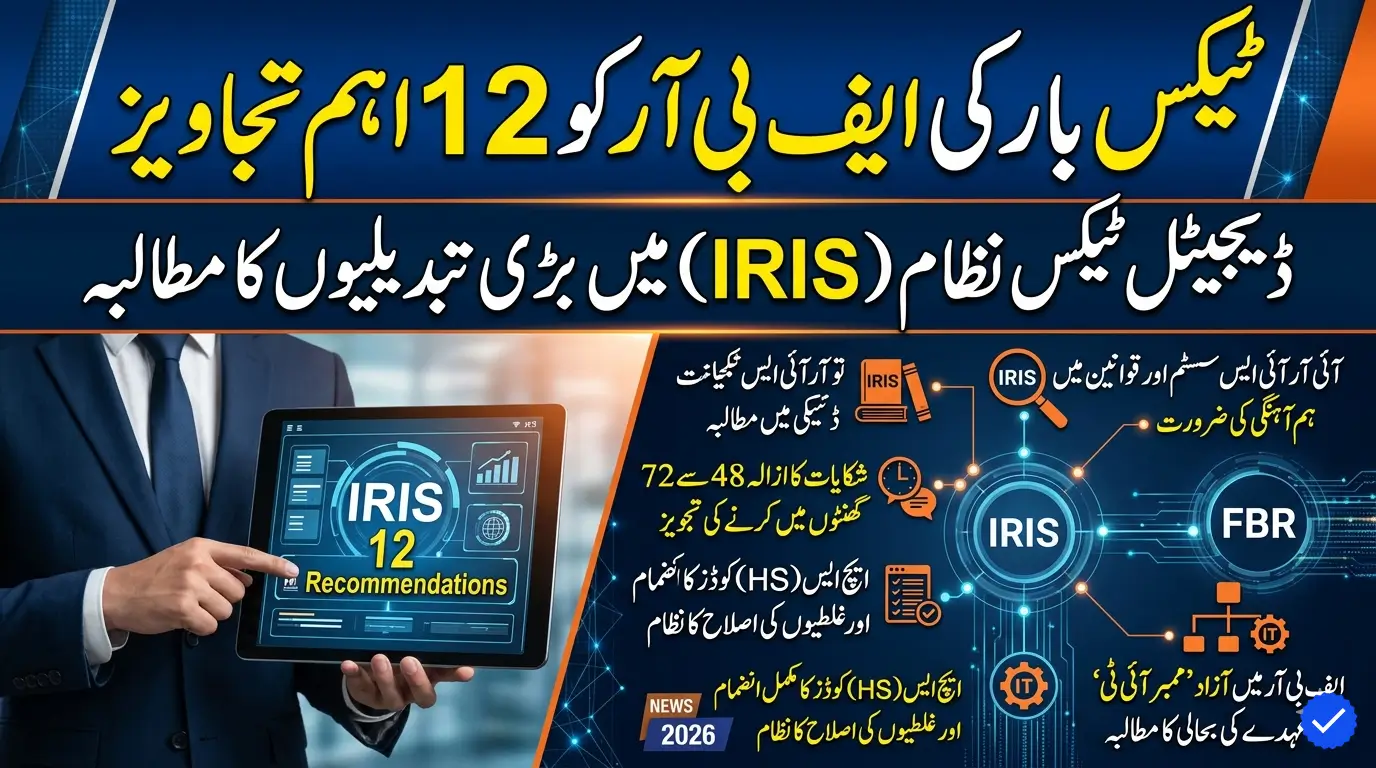
Tax Bar Gives FBR 12 Proposals
The Pakistan Tax Bar Association has submitted a set of recommendations to the Federal Board of Revenue, urging immediate improvements in the country’s digital tax infrastructure. The proposals come amid growing concerns that existing flaws in the system could undermine ongoing tax reforms and create difficulties for taxpayers across Pakistan.
UAE Exit From Oil Alliance Sends Shockwaves Across Global Energy
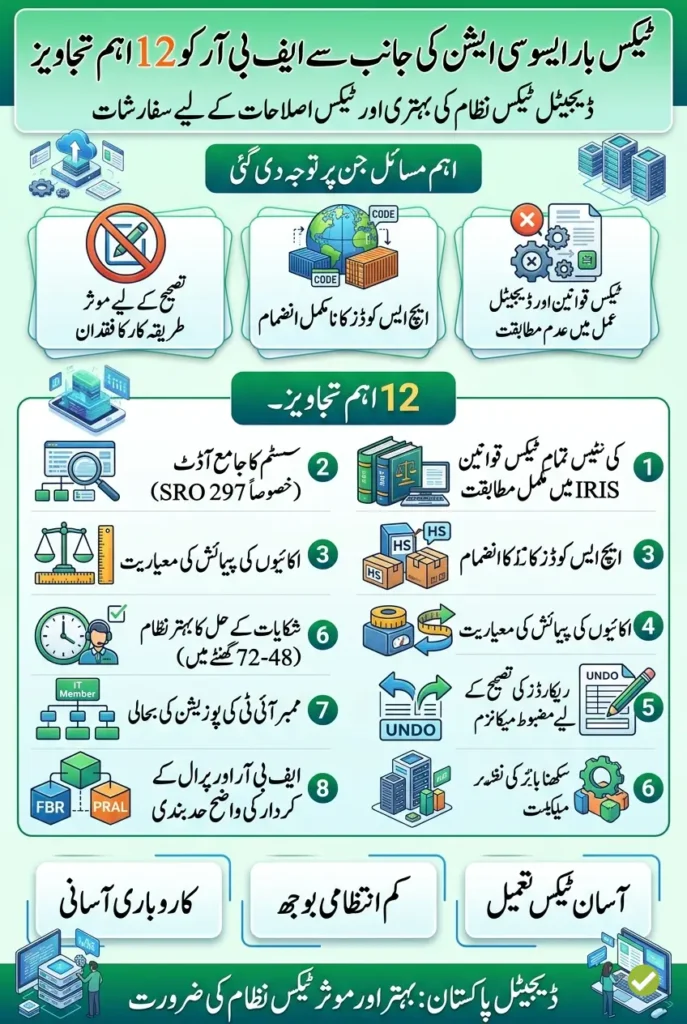
In its formal communication to FBR Chairman Rashid Mahmood Langrial, the association pointed out critical issues related to system design, governance, and compatibility with existing tax laws. According to the PTBA, the current digital framework lacks coherence and fails to fully align with legal provisions, leading to confusion and inefficiencies in tax administration.
Key Issues in the Digital Tax System
One of the major concerns highlighted by the PTBA is the mismatch between digital processes and established tax laws. While the digital system was introduced to simplify tax compliance and improve transparency, several of its features are not properly integrated with the legal framework. This creates inconsistencies that can complicate tax filing and enforcement.
Another significant issue is the incomplete integration of Harmonized System codes, commonly known as HS codes. These codes are essential for categorizing goods in international trade and ensuring accurate taxation. Without proper integration, businesses may face difficulties in reporting transactions correctly, which can lead to errors and potential disputes with tax authorities.
The absence of an effective rectification mechanism is also a major concern. Taxpayers currently have limited options to correct errors in their digital records, which can result in prolonged issues and unnecessary penalties. This lack of flexibility undermines the purpose of a digital system, which should ideally allow for quick and efficient corrections.
Pakistan’s Military Spending Sees Significant Rise in 2025 Amid Region
Proposed Reforms and Recommendations
To address these challenges, the PTBA has put forward 12 detailed recommendations aimed at improving the functionality and reliability of the digital tax system. One of the primary suggestions is the complete alignment of all tax laws, rules, and statutory regulatory orders within the IRIS system, which is the central platform for tax filing in Pakistan.
The association has also called for a comprehensive audit of the system, starting with SRO 297(I)/2023. This audit would help identify gaps and ensure that all features comply with legal requirements. By conducting a thorough review, the FBR can address existing shortcomings and build a more robust system.
Another key proposal is the full integration of HS codes into tax returns and invoicing systems. This would streamline the reporting process and reduce the likelihood of errors. Additionally, the PTBA has recommended the standardization of units of measurement in accordance with the Sales Tax Act 1990, ensuring consistency across all transactions.
Need for a Strong Rectification System
A major focus of the proposals is the creation of a formal mechanism for correcting digital records. The PTBA has emphasized that taxpayers should be able to rectify mistakes easily and transparently. This includes maintaining proper audit trails to track changes and ensure accountability.
Such a system would not only benefit taxpayers but also enhance the credibility of the digital tax platform. By allowing for timely corrections, it would reduce disputes and improve overall compliance. This is particularly important in a digital environment, where errors can occur due to technical issues or data entry mistakes.
PTA Survey Reveals the Best Mobile Networks in Azad Jammu and Kashmir
Improving Complaint Handling and Support
The PTBA has also highlighted the need for a structured complaint handling system. Currently, taxpayers often face delays and lack clear channels for resolving issues related to the digital platform. To address this, the association has proposed a system that provides direct access to FBR and Pakistan Revenue Automation Limited officials.
Under the proposed framework, complaints should be resolved within 48 to 72 hours, ensuring timely support for users. The introduction of a clear escalation mechanism would further improve efficiency, allowing unresolved issues to be addressed at higher levels.
This approach aims to enhance user experience and build trust in the digital tax system. By providing reliable support, the FBR can encourage more taxpayers to adopt digital processes and comply with regulations.
Possible Increase in Petrol Prices in Pakistan: Economic Pressure Builds
Governance and Accountability Measures
Another important aspect of the PTBA’s recommendations is the improvement of governance within the FBR. The association has suggested restoring an independent Member IT position to oversee digital operations. This role would ensure that technical decisions are made with proper expertise and accountability.
The PTBA has also called for clearer delineation of responsibilities between the FBR and PRAL. Currently, overlapping roles can lead to confusion and inefficiencies. By defining responsibilities more clearly, the system can operate more smoothly and effectively.
In addition, the association has recommended regular public reporting of system performance. This includes metrics such as uptime, error rates, and complaint resolution timelines. Transparency in these areas would help build confidence among taxpayers and stakeholders.
Impact on Taxpayers and Businesses
The proposed reforms have the potential to significantly improve the experience of taxpayers and businesses. A more efficient and reliable digital system would simplify tax compliance, reduce administrative burdens, and minimize the risk of errors.
For businesses, particularly those involved in trade, better integration of HS codes and standardized processes would facilitate smoother operations. It would also reduce the likelihood of disputes with tax authorities, saving time and resources.
Individual taxpayers would benefit from easier access to services and quicker resolution of issues. This could encourage greater participation in the tax system and improve overall compliance rates.
Action Against Cigarette Sector Allegedly Disrupted by Political
Future of Digital Taxation in Pakistan
The PTBA’s proposals come at a critical time for Pakistan’s tax system. As the country continues to digitize its economy, the effectiveness of its digital infrastructure will play a key role in achieving fiscal goals.
A well-functioning digital tax system can enhance revenue collection, reduce tax evasion, and promote transparency. However, achieving these benefits requires continuous improvement and adaptation to changing needs.
The recommendations put forward by the PTBA provide a roadmap for addressing current challenges and building a more robust system. If implemented effectively, they could help strengthen the foundation of digital taxation in Pakistan.
Challenges in Implementation
While the proposals are comprehensive, implementing them will require careful planning and coordination. Upgrading systems, conducting audits, and introducing new features can be complex and time-consuming processes.
The FBR will need to allocate sufficient resources and ensure collaboration between different departments and stakeholders. Training and awareness programs may also be necessary to help users adapt to changes.
Despite these challenges, the potential benefits of a stronger digital tax system make these efforts worthwhile. By addressing existing issues, the FBR can create a more efficient and user-friendly platform.
FAQs
1. What is the main concern raised by the Pakistan Tax Bar Association?
The PTBA is concerned that flaws in the digital tax system could undermine tax reforms and create difficulties for taxpayers.
2. What are HS codes and why are they important?
HS codes are standardized classifications for goods used in international trade, essential for accurate taxation and reporting.
3. What changes have been proposed for the IRIS system?
The PTBA has proposed aligning all tax laws, rules, and regulations within the IRIS system to ensure consistency.
4. How will the complaint handling system improve?
The proposed system includes direct access to officials and a resolution timeframe of 48 to 72 hours.
5. What governance reforms have been suggested?
The PTBA has recommended restoring an independent Member IT position and improving accountability between FBR and PRAL.
Skardu Airport Runway Partially Closed Till June 28 Due to
Final Words
The proposals submitted by the Pakistan Tax Bar Association highlight the urgent need to refine Pakistan’s digital tax system. While digitization offers significant advantages, its success depends on efficiency, transparency, and alignment with legal frameworks. By addressing current shortcomings and implementing the recommended reforms, the Federal Board of Revenue has an opportunity to strengthen trust, improve compliance, and ensure the long-term success of its tax modernization efforts.