
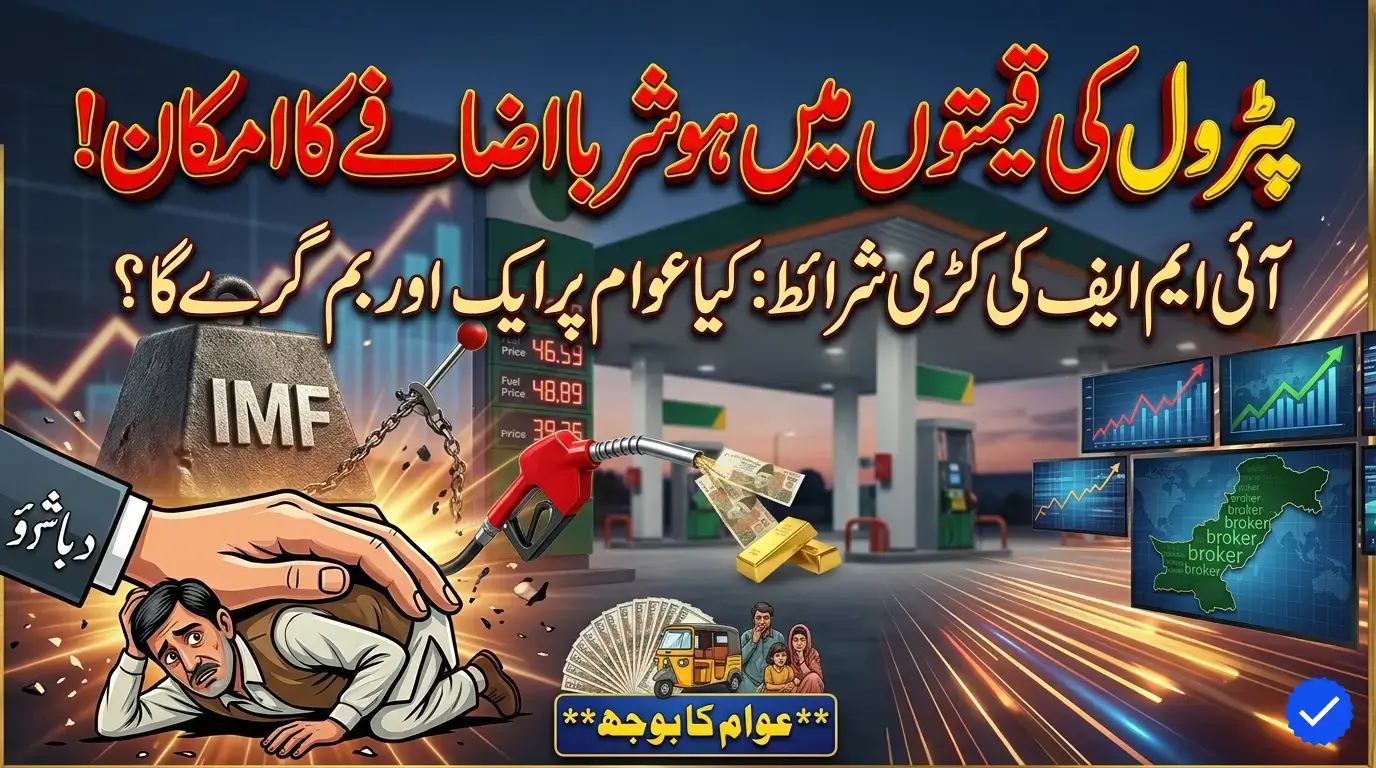
Pakistan is once again facing the possibility of a fresh increase in petrol prices, a move that is expected to affect millions of citizens across the country. According to Finance Ministry sources, the government is considering raising petroleum-related taxes to boost revenue collection and meet financial targets. This development comes at a time when inflation is already high, and households are struggling to manage their daily expenses. A rise in fuel prices would likely add further pressure on the cost of living, making essential goods and services even more expensive.
Action Against Cigarette Sector Allegedly Disrupted by Political
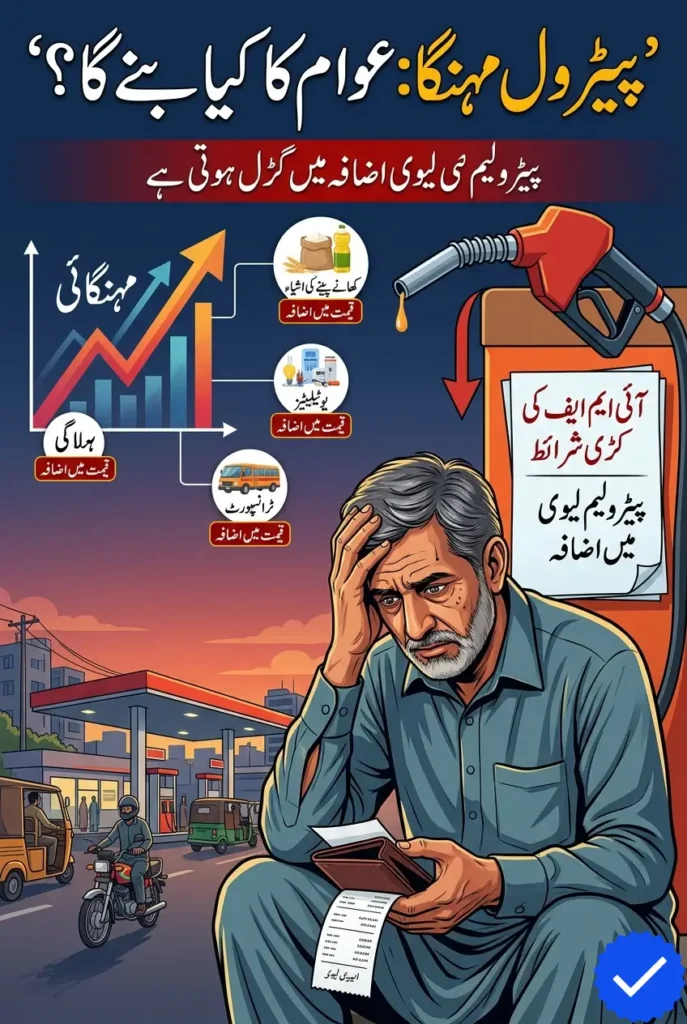
In recent months, petrol prices have increased steadily, largely due to higher taxation rather than just global oil price fluctuations. The petroleum levy has already crossed Rs. 107 per litre, which is a significant burden on consumers. Despite achieving strong revenue collection through this levy, discussions are ongoing within government circles to increase it even further. This suggests that fuel prices may continue to rise in the near future, leaving the public concerned about their financial stability.
IMF Conditions and Government Policy
A major reason behind the expected increase in petrol prices is the pressure from the International Monetary Fund (IMF). Pakistan is currently following an economic program that requires strict fiscal discipline, including reducing subsidies and increasing tax revenues. As part of this agreement, the government has relied heavily on petroleum levies as a key source of income. This approach allows authorities to generate funds quickly without introducing new taxes, but it also shifts the burden directly onto consumers.
However, this policy has been widely criticized by economic experts and the general public. Petrol is a basic necessity that affects transportation, agriculture, and industrial production. When its price increases, the impact spreads throughout the economy, leading to higher prices for food, utilities, and other essential items. Critics argue that relying too much on indirect taxation, such as fuel levies, disproportionately affects lower- and middle-income groups, making it harder for them to cope with rising expenses.
Rupee Headed Towards 400 Against British Pound But Defeats US Dollar
Likely Petrol Price Hike Adds to Economic Strain
Petrol prices in Pakistan are once again expected to rise, indicating more financial pressure on the general public. Authorities are reportedly reviewing plans to increase petroleum-related taxes in order to strengthen government revenues and manage economic challenges. This move comes at a time when fuel costs have already climbed significantly, mainly due to domestic taxation rather than just international oil prices. For everyday citizens, another increase would mean higher spending on transport and essential goods, making life even more expensive.
One of the main drivers behind this expected increase is Pakistan’s ongoing financial program with the International Monetary Fund. The institution has consistently urged the government to cut subsidies and depend more on taxation to stabilize the economy. While this approach may support fiscal discipline, it also places a heavier burden on lower- and middle-income groups. As fuel prices go up, the cost of living rises across the board, affecting everything from food prices to utility expenses and putting additional stress on household budgets.
Skardu Airport Runway Partially Closed Till June 28 Due to
Economic Impact on the Public
The impact of increasing petrol prices goes far beyond the fuel pump. It directly influences the cost of transportation, which in turn affects the prices of goods across markets. Businesses facing higher transportation and production costs often pass these expenses on to consumers. As a result, inflation rises, and the purchasing power of ordinary citizens declines. This creates a cycle where people spend more on necessities and have less income left for savings or other needs.
At the same time, the government argues that such measures are unavoidable due to global economic conditions and regional instability. Fluctuations in international oil prices and external financial pressures limit the options available to policymakers. While these arguments may hold some validity, the lack of sufficient relief measures for the public remains a major concern. Many people feel that the burden of economic reforms is not being shared equally, leading to growing dissatisfaction among citizens.
Govt May Drop 90% of New Development Projects in Next Budget
FAQs
1. Why are petrol prices expected to increase in Pakistan?
Petrol prices may rise due to the government’s plan to increase petroleum levies in order to generate more revenue and meet financial commitments.
2. What role does the IMF play in this decision?
The International Monetary Fund (IMF) is encouraging Pakistan to reduce subsidies and rely more on taxation, including fuel levies, to stabilize the economy.
3. How do higher petrol prices affect everyday life?
Higher petrol prices increase transportation costs, which leads to higher prices for goods and services, ultimately raising overall inflation.
4. Is the increase due to global oil prices or local taxes?
While global oil prices play a role, a major portion of the increase is due to domestic taxes and petroleum levies.
5. Will petrol prices continue to rise in the future?
If current policies continue and economic pressures remain, there is a strong possibility that petrol prices could increase further.
Final Word
In conclusion, the potential rise in petrol prices in Pakistan reflects the challenging economic situation the country is facing. While increasing taxes on fuel may help the government meet its financial targets, it also places a heavy burden on the public. A balanced approach is needed—one that ensures economic stability while also protecting citizens from excessive financial strain. Without such balance, the long-term impact on both the economy and society could be significant.
vivo V70 FE Launched in Pakistan with 200MP Camera and Flagship Features