
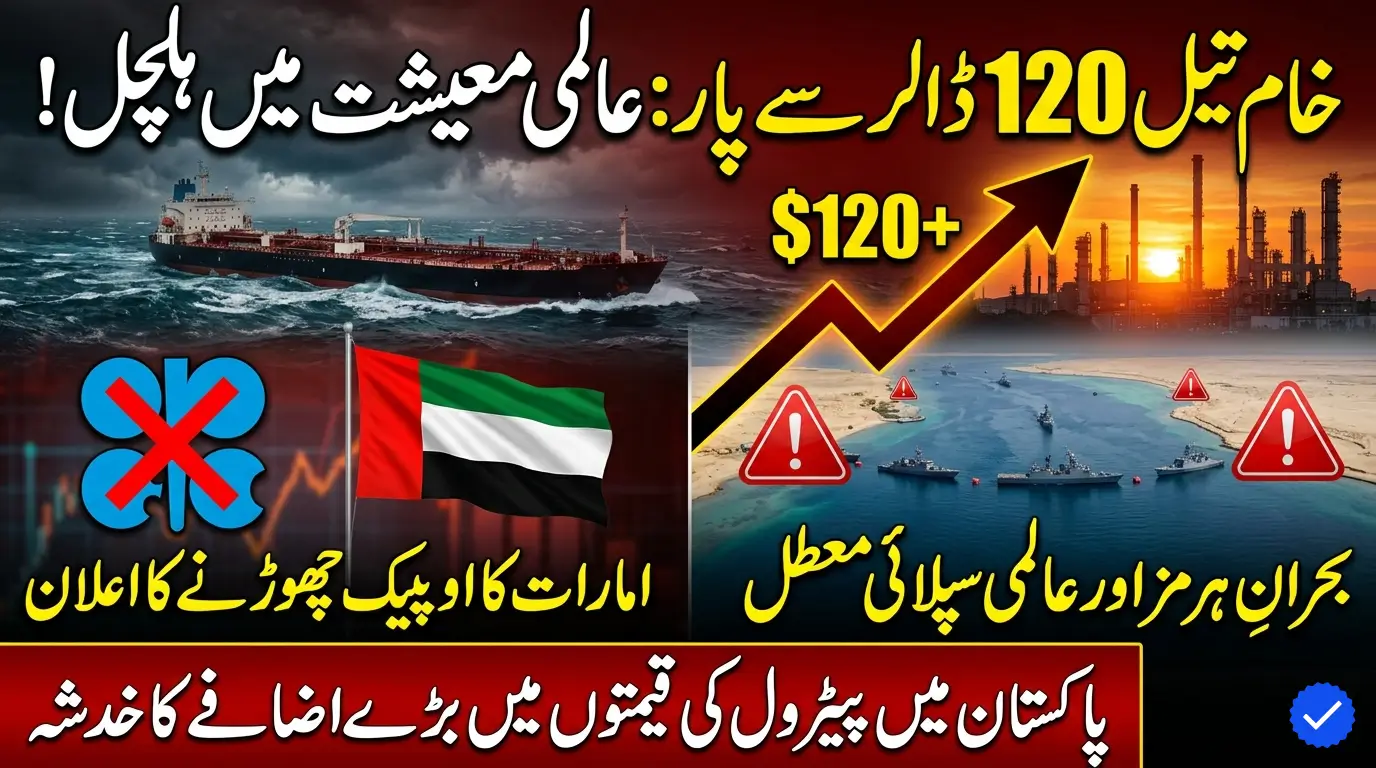
Global oil markets have entered a new phase of uncertainty as crude prices surged past $120 per barrel, marking one of the sharpest increases seen in recent years. The sudden spike has been driven by a combination of geopolitical tensions, supply disruptions, and unexpected policy shifts, creating a volatile environment for both investors and consumers worldwide.
Tax Bar Gives FBR 12 Proposals to Fix Digital Tax System
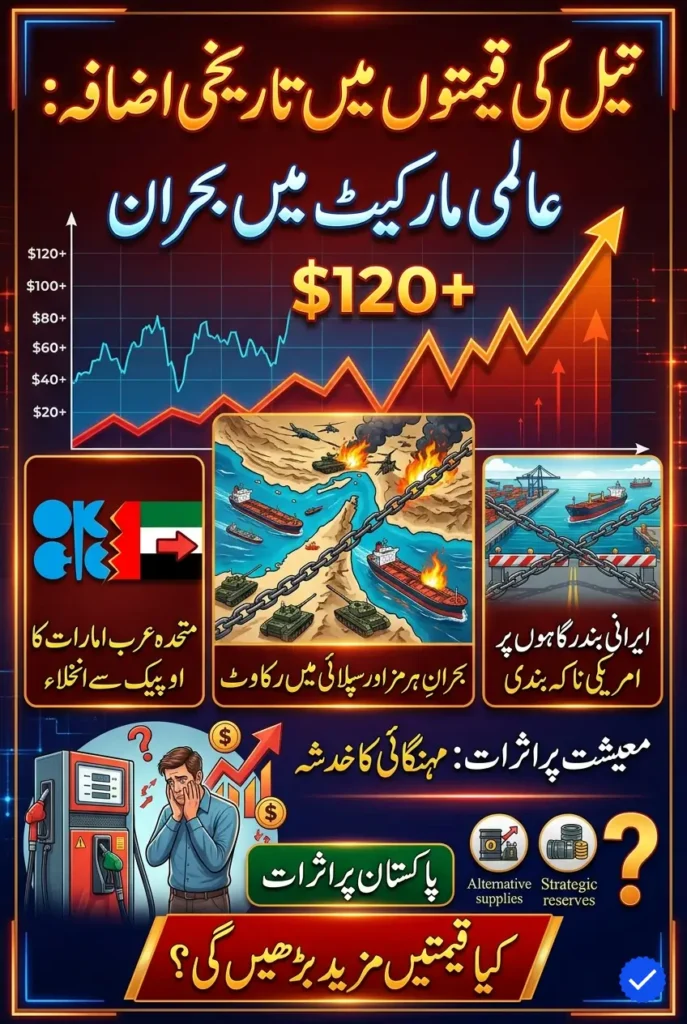
The most significant trigger behind this surge is the ongoing conflict involving Iran and the United States. The situation escalated after the US administration maintained a strict blockade on Iranian ports, effectively limiting the country’s ability to export oil. This move has directly reduced global supply, placing upward pressure on prices, while tensions in key shipping routes continue to intensify.
Rising Tensions in the Strait of Hormuz
The Strait of Hormuz plays a vital role in global energy logistics, handling nearly one-fifth of the world’s oil and liquefied natural gas shipments. Any disruption in this narrow waterway has immediate and far-reaching consequences for international markets. The current restrictions have already slowed down shipping traffic, causing delays and uncertainty among traders and energy companies.
Iran’s response to military pressure has included limiting vessel movement through the strait, further tightening supply chains. As a result, shipping risks have increased, insurance costs have risen, and buyers are becoming more cautious in securing oil cargoes from the region.
UAE Exit from OPEC and Market Impact
Adding to the complexity of the situation is the unexpected decision by the United Arab Emirates to exit OPEC and OPEC+ alliances. This move has surprised analysts and weakened coordinated efforts to stabilize the oil market. OPEC has traditionally played a crucial role in balancing supply and demand, but the UAE’s departure signals potential fragmentation within the group.
This development has also triggered uncertainty among investors, as it raises questions about future production strategies. Without strong coordination, oil-producing countries may act independently, leading to unpredictable supply levels and further volatility in prices.
NEPRA Removes Fees and License Requirement for Solar Users
Market Volatility and Global Reaction
Brent crude, the international benchmark, briefly touched $122 per barrel, its highest level since 2022. This sharp rise reflects growing concerns that supply shortages may persist for an extended period. Market sentiment has been heavily influenced by high-level discussions between energy executives and US leadership regarding the economic impact of rising fuel costs.
Earlier in April, oil prices showed signs of easing due to ceasefire talks held in Islamabad. However, optimism faded quickly when negotiations stalled, and tensions escalated again. This shift highlights how sensitive the oil market is to geopolitical developments.
Economic Impact on Global and Local Markets
The impact of rising oil prices extends far beyond the energy sector. Higher fuel costs increase transportation expenses, which then raise the prices of goods and services. This creates inflationary pressure, especially in developing economies that rely heavily on imported fuel.
For countries like Pakistan, the situation could lead to higher petrol and diesel prices, placing additional strain on household budgets. Industries such as aviation, shipping, and manufacturing are also likely to face increased costs, which may slow down economic growth.
UAE Exit From Oil Alliance Sends Shockwaves Across Global Energy
Future Outlook and Possible Scenarios
If tensions in the Strait of Hormuz continue or worsen, global oil supplies could shrink further, pushing prices even higher. The possibility of prolonged disruption raises concerns about a wider economic slowdown. Governments and energy companies are closely monitoring the situation to prepare for potential supply shortages.
Some analysts suggest that alternative suppliers and strategic reserves could provide temporary relief. However, these measures may not be sufficient if the crisis continues for a long period.
FAQs
1. Why did oil prices rise above $120?
Oil prices increased due to supply disruptions caused by the US blockade of Iranian ports, tensions in the Strait of Hormuz, and the UAE’s exit from OPEC, which reduced market stability.
2. What is the importance of the Strait of Hormuz?
The Strait of Hormuz is a key global shipping route that handles about 20% of the world’s oil and gas supply. Any disruption there directly impacts global energy prices.
3. How does the UAE leaving OPEC affect oil markets?
The UAE’s exit weakens coordination among oil-producing countries, making it harder to control supply and stabilize prices, leading to increased volatility.
4. How will rising oil prices affect Pakistan?
Higher oil prices can lead to increased fuel costs, inflation, and higher transportation and production expenses, putting pressure on the economy and consumers.
5. Can oil prices go even higher?
Yes, if geopolitical tensions worsen or disruptions in the Strait of Hormuz continue, oil prices could rise further due to limited supply.
Pakistan’s Military Spending Sees Significant Rise in 2025 Amid Regiona
Final Words
The recent surge in oil prices shows how quickly global markets can react to political and strategic developments. With multiple risk factors at play, including conflict, supply disruptions, and policy changes, the oil market is expected to remain unstable in the near future. Long-term stability will depend on diplomatic solutions and better coordination among energy-producing nations.