
Heatwave to Intensify Next
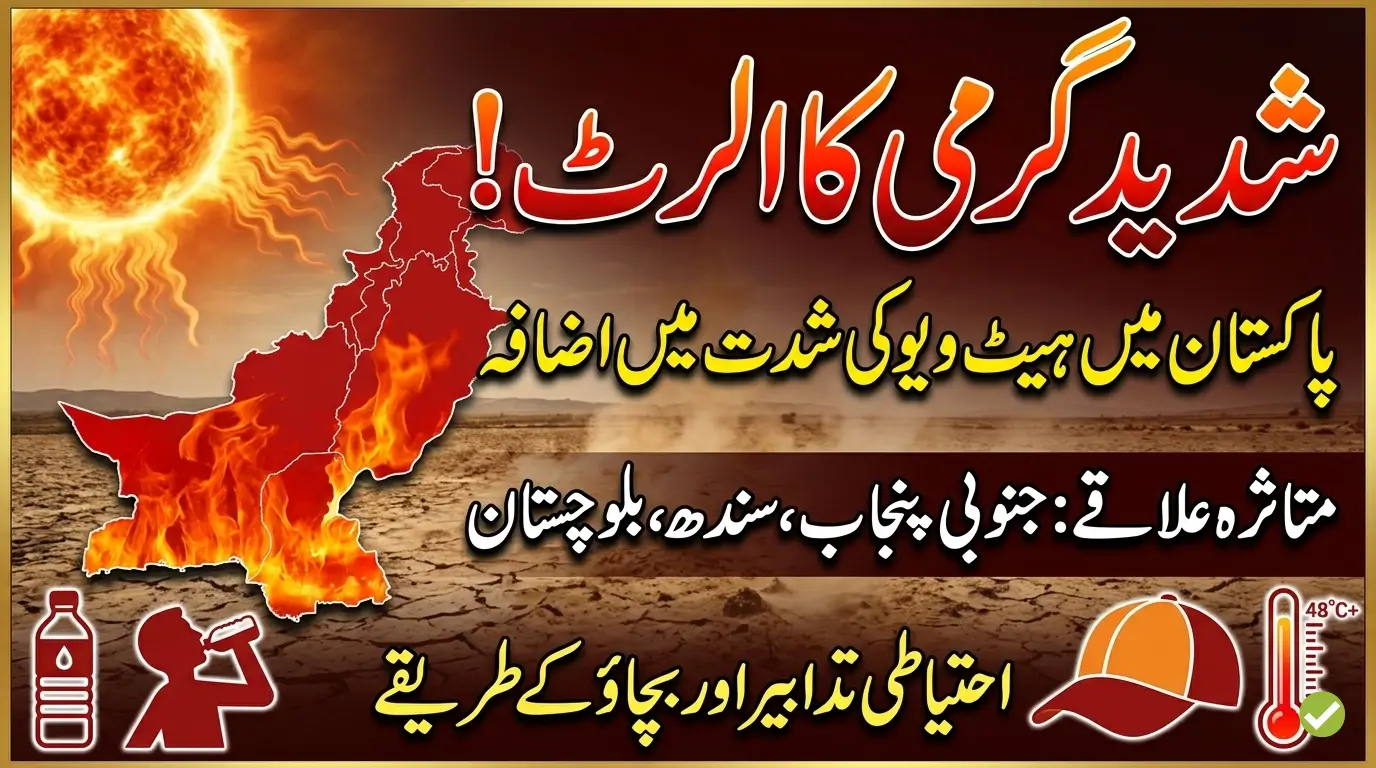
A severe heatwave is expected to intensify across large parts of Pakistan in the coming days, with southern Punjab, Sindh, and Balochistan likely to face the harshest conditions. According to senior meteorologist Muhammad Aslam, temperatures are projected to rise further after May 6, with an increase of 3 to 4 degrees Celsius. This warning has raised concerns among health experts, farmers, and local authorities, as extreme heat conditions can significantly impact daily life, public health, and economic activities.
Babar Azam Opens Up on Working With Ottis Gibson and Mike Hesson
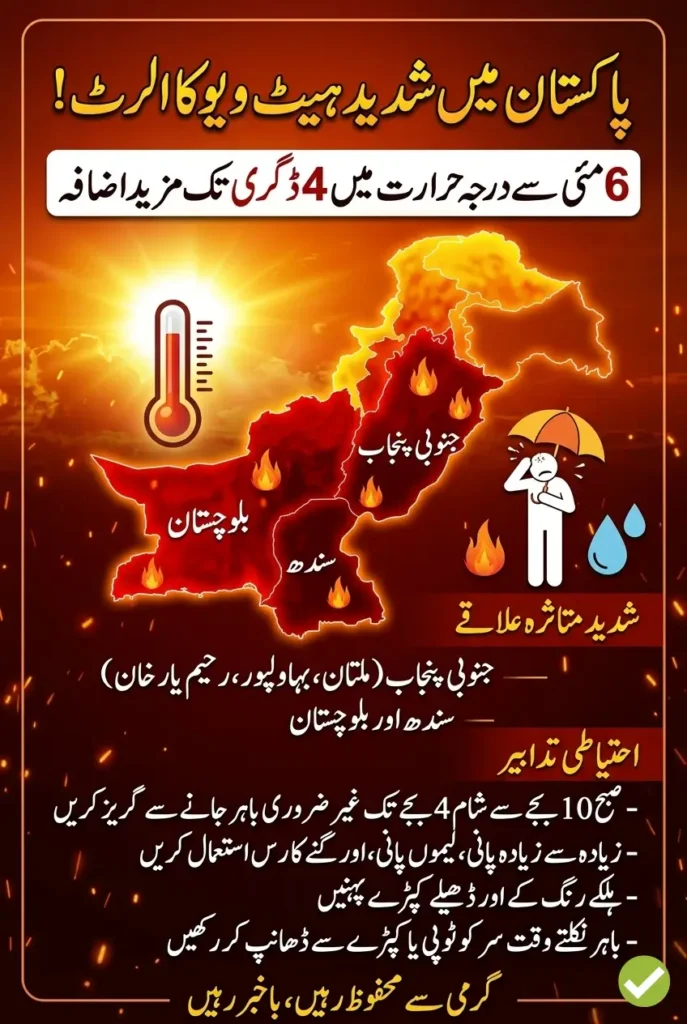
The Pakistan Meteorological Department has already indicated that the current weather pattern is being influenced by high atmospheric pressure, which traps heat and results in prolonged periods of elevated temperatures. Cities in southern Punjab, including areas like Multan, Bahawalpur, and Rahim Yar Khan, are expected to experience scorching conditions, with temperatures potentially crossing dangerous levels. Similarly, Sindh and parts of Balochistan will also remain under intense heat stress, making it essential for residents to take precautionary measures.
Rising Health Risks During Extreme Heat
One of the most immediate concerns during a heatwave is its impact on human health. Hospitals across affected regions have already reported an increase in patients suffering from heat-related illnesses such as heatstroke, dehydration, and exhaustion. Vulnerable groups, including children, the elderly, and those with pre-existing medical conditions, are at a higher risk during such extreme weather events.
Medical experts emphasize that heatstroke can occur when the body is unable to regulate its temperature effectively. Symptoms may include dizziness, rapid heartbeat, confusion, and even loss of consciousness in severe cases. To prevent such conditions, individuals are strongly advised to stay hydrated, avoid prolonged exposure to direct sunlight, and take regular breaks in cool or shaded environments.
Ex Finance Minister Blames Govt for Latest Inflation Shock in Pakistan
Precautionary Measures for the Public
Authorities and meteorologists have issued several guidelines to help people cope with the rising temperatures. One of the most important recommendations is to avoid unnecessary outdoor activities, particularly between 10 am and 4 pm, when the heat is at its peak. Wearing light-colored and loose-fitting clothing can help reflect sunlight and keep the body cooler.
Staying hydrated is another critical aspect of heatwave safety. People are encouraged to drink plenty of water throughout the day, even if they do not feel thirsty. Natural fluids such as sugarcane juice, lemonade, and coconut water can also help replenish lost electrolytes. Additionally, covering the head with a cap, scarf, or cloth can provide protection against direct sunlight and reduce the risk of heatstroke.
PM Shahbaz Wishes to Make Electricity Cheaper and End Power Theft
Impact on Agriculture and Livestock
The ongoing heatwave is not only affecting humans but also posing serious challenges for the agricultural sector. Farmers are being advised to take extra care of their livestock, as animals are highly susceptible to heat stress. Providing adequate shade, clean drinking water, and proper ventilation is essential to ensure their well-being.
Heat stress can reduce milk production in dairy animals, affect growth rates, and even lead to fatalities in extreme cases. Crops may also suffer due to excessive heat, especially if water supply is limited. Agricultural experts recommend adjusting irrigation schedules and using protective measures to minimize the impact of high temperatures on crops.
Former PM Imran Khan’s ex-Wife Set to Marry Billionaire Businessman
Travel and Transportation Challenges
Extreme heat conditions can also affect transportation and travel. Motorists are advised to take necessary precautions before heading out, such as ensuring their vehicles are in good condition and carrying sufficient water for emergencies. Long journeys during peak heat hours should be avoided whenever possible.
Heat can cause vehicles to overheat, tire pressure to increase, and mechanical failures to occur more frequently. Therefore, regular maintenance checks are essential during this period. Public transport users are also encouraged to plan their travel during cooler parts of the day to minimize exposure to extreme temperatures.
Gold Rate in Pakistan Declines 2nd Time in Four Days
Role of Authorities and Public Awareness
Government authorities and local administrations play a crucial role in managing the effects of heatwaves. Public awareness campaigns, timely weather updates, and emergency response systems are vital in ensuring the safety of citizens. The Meteorological Department continues to monitor the situation closely and provide regular forecasts and advisories.
Citizens are urged to follow official guidelines and stay informed through reliable sources. Community support systems, such as checking on vulnerable neighbors and sharing resources, can also help reduce the overall impact of the heatwave.
Latest Chinese Battery is 80x Cheaper Than Lithium And Lasts Almost 2 Decades
FAQS
Q1: When will the heatwave intensify?
The heatwave is expected to intensify after May 6, with temperatures rising by 3 to 4 degrees Celsius.
Q2: Which areas will be most affected?
Southern Punjab, Sindh, and Balochistan are expected to face the most severe conditions.
Q3: What are the main health risks during a heatwave?
Common risks include heatstroke, dehydration, and heat exhaustion, especially among vulnerable groups.
Q4: How can people protect themselves?
People should stay hydrated, avoid going out during peak hours, wear light clothing, and cover their heads.
Q5: What precautions should farmers take?
Farmers should ensure proper shade, water, and care for livestock to protect them from heat stress.
Pakistan Fuel Prices Now Carry More Hidden Charges Than Your Electricity Bill
Final World
The intensifying heatwave serves as a reminder of the growing impact of extreme weather conditions on daily life in Pakistan. With temperatures expected to rise further, it is crucial for individuals, communities, and authorities to work together in minimizing risks and ensuring safety. Simple preventive measures, such as staying hydrated and avoiding peak heat hours, can make a significant difference in protecting lives.
At the same time, long-term strategies and awareness are equally important to cope with recurring heatwaves in the future. By staying informed, following expert advice, and supporting one another, people can better navigate the challenges posed by extreme heat and safeguard their health and livelihoods.
HEC Launches Online Degree Attestation System