
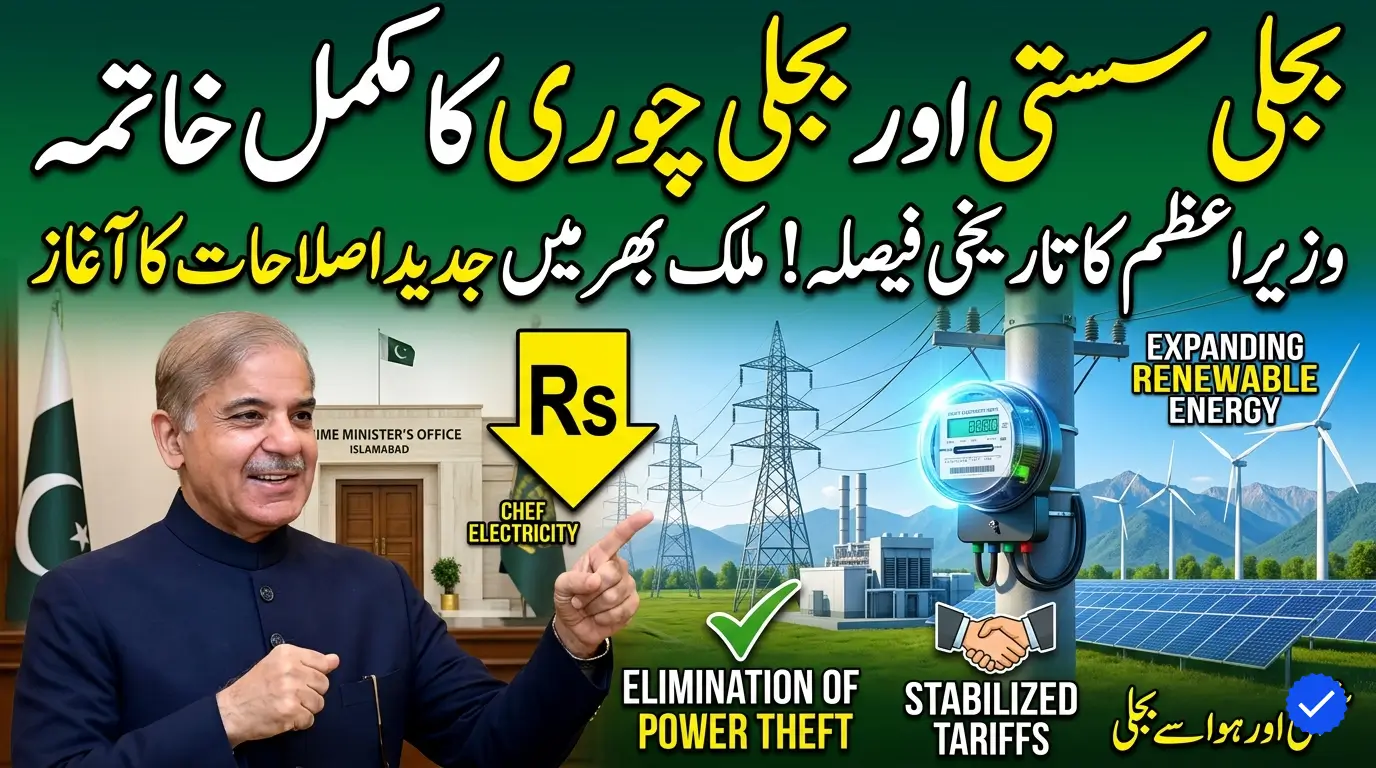
PM Shehbaz Wishes to Make Electricity
Pakistan’s energy sector is once again in focus as Shahbaz Sharif has directed authorities to develop a comprehensive strategy aimed at reducing electricity costs and eliminating power theft. This move comes at a time when consumers across the country are struggling with high electricity bills, making affordability and efficiency critical priorities for the government.
Former PM Imran Khan’s ex-Wife Set to Marry Billionaire Businessman

During a high-level meeting on energy reforms, the prime minister emphasized the need to stabilize electricity tariffs while ensuring a reliable and sustainable power supply. The initiative reflects the government’s broader vision of providing relief to both domestic consumers and industrial users, who have been heavily affected by rising energy costs in recent years.
Focus on Tariff Stabilization and Consumer Relief
One of the central themes of the meeting was the urgent need to control electricity tariffs. Rising energy prices have significantly increased the cost of living, affecting households as well as businesses. By directing the Power Division of Pakistan to prepare a practical strategy, the government aims to create a balance between affordability and sustainability.
Stabilizing tariffs is not a simple task, as it involves managing fuel costs, reducing inefficiencies, and ensuring timely payments across the power supply chain. However, the government appears committed to addressing these challenges through a combination of policy reforms and technological improvements.
For industrial users, lower electricity costs can improve competitiveness and boost economic activity. For households, it can provide much-needed financial relief, especially for low and middle-income families who spend a significant portion of their income on utility bills.
Upgrading the Power Transmission System
Another key directive from the prime minister was to improve the national power transmission network. Pakistan’s electricity system has long suffered from technical losses, outdated infrastructure, and inefficiencies that increase costs for consumers.
By investing in modern transmission systems, the government aims to reduce line losses and improve overall efficiency. This not only ensures better delivery of electricity but also reduces wastage, which ultimately lowers the cost burden on consumers.
Improved infrastructure can also help prevent frequent outages and voltage fluctuations, enhancing the reliability of the power supply. In the long run, these upgrades are essential for supporting economic growth and meeting the country’s increasing energy demands.
Gold Rate in Pakistan Declines 2nd Time in Four Days
Tackling Power Theft Through Technology
Power theft remains one of the biggest challenges facing Pakistan’s energy sector. Illegal connections and meter tampering result in significant financial losses, which are often passed on to paying consumers in the form of higher tariffs.
To address this issue, the government has called for the adoption of advanced digital solutions. These may include smart meters, real-time monitoring systems, and automated billing technologies that can detect irregularities and prevent theft.
Digitalization not only improves transparency but also enhances accountability within the system. By reducing theft, the government can recover lost revenue and potentially lower electricity prices for honest consumers.
Expanding Renewable Energy Projects
The prime minister also stressed the importance of expanding renewable energy sources to overcome Pakistan’s power shortfall. Renewable energy, such as solar and wind power, offers a sustainable and cost-effective alternative to traditional fossil fuels.
Investing in renewable energy can reduce dependence on imported fuel, which is a major factor contributing to high electricity costs. It also aligns with global efforts to combat climate change and promote environmentally friendly energy solutions.
By integrating renewable energy into the national grid, Pakistan can create a more diversified and resilient energy system. This approach not only supports long-term sustainability but also helps stabilize electricity prices.
Latest Chinese Battery is 80x Cheaper Than Lithium And Lasts Almost
Improving Digital Payment Systems
Another important aspect of the reform agenda is the improvement of digital payment systems for electricity bills. The government aims to make bill payments more convenient and accessible for consumers by expanding digital platforms.
Simplifying the payment process can encourage timely bill payments and reduce the risk of defaults. It also enhances user experience, making it easier for people to manage their electricity expenses.
Digital payment systems can be particularly beneficial in remote areas, where access to traditional banking services may be limited. By leveraging technology, the government can improve efficiency and transparency in the billing process.
Role of Key Government Officials
The high-level meeting was attended by several senior officials, including Ishaq Dar, Muhammad Aurangzeb, Awais Leghari, and Ali Pervaiz Malik. Their participation highlights the importance of coordinated efforts across different ministries to achieve the desired outcomes.
Energy reforms require collaboration between financial, technical, and policy-making institutions. By bringing together key stakeholders, the government aims to ensure a unified approach to addressing the challenges in the power sector.
Challenges Ahead
While the government’s initiatives are promising, several challenges remain. Implementing large-scale infrastructure projects requires significant investment and time. Similarly, transitioning to renewable energy and digital systems involves technical and regulatory complexities.
Public cooperation is also essential, particularly in addressing power theft and promoting energy conservation. Without active participation from consumers, achieving long-term success may be difficult.
Despite these challenges, the government’s focus on reform indicates a strong commitment to improving the energy sector. With the right policies and execution, these efforts could lead to meaningful improvements in affordability and efficiency.
Pakistan Fuel Prices Now Carry More Hidden Charges Than Your Electricity
Future Outlook
The push for cheaper electricity and reduced power theft represents a critical step toward strengthening Pakistan’s energy system. If successfully implemented, these reforms can lower costs, improve service quality, and support economic growth.
In the coming months, the effectiveness of these measures will depend on how quickly and efficiently they are executed. Continuous monitoring and adaptation will be necessary to address emerging challenges and ensure sustainable progress.
FAQs
1. What steps is the government taking to reduce electricity prices?
The government is working on stabilizing tariffs, reducing system losses, expanding renewable energy, and improving efficiency in the power sector.
2. Why is power theft a major issue in Pakistan?
Power theft leads to significant financial losses, which increase electricity costs for paying consumers and strain the energy system.
3. How will digital solutions help the energy sector?
Digital technologies like smart meters and automated billing can reduce theft, improve transparency, and enhance efficiency.
4. What role does renewable energy play in reducing costs?
Renewable energy reduces reliance on expensive imported fuels, helping to lower overall electricity generation costs.
5. Will electricity prices decrease soon?
Price reductions depend on successful implementation of reforms, improved efficiency, and stable economic conditions.
HEC Launches Online Degree Attestation System
Final Words
The government’s initiative to make electricity more affordable and eliminate power theft reflects a strong commitment to addressing one of Pakistan’s most pressing challenges. By combining infrastructure improvements, digital innovation, and renewable energy expansion, these reforms have the potential to transform the power sector. While challenges remain, consistent efforts and effective implementation can lead to a more reliable, efficient, and affordable energy system for all.