
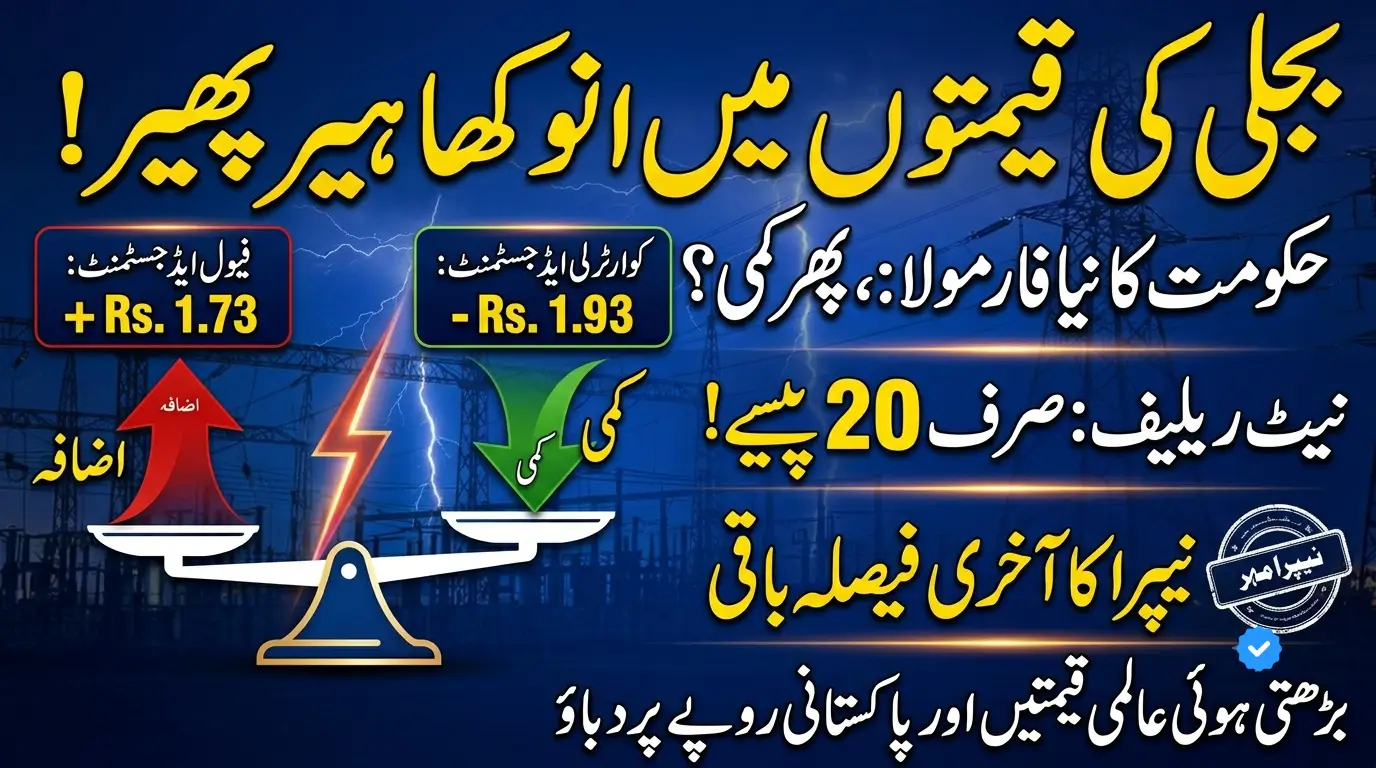
Pakistan’s electricity pricing system is heading toward another round of mixed adjustments, where consumers may see both relief and increases at the same time. According to official estimates, the Power Division expects a quarterly adjustment for June 2026 to reduce electricity prices by Rs. 1.93 per unit, offering some relief amid ongoing energy market pressure.
Budget Cars Are Rapidly Changing Pakistan’s Auto Market
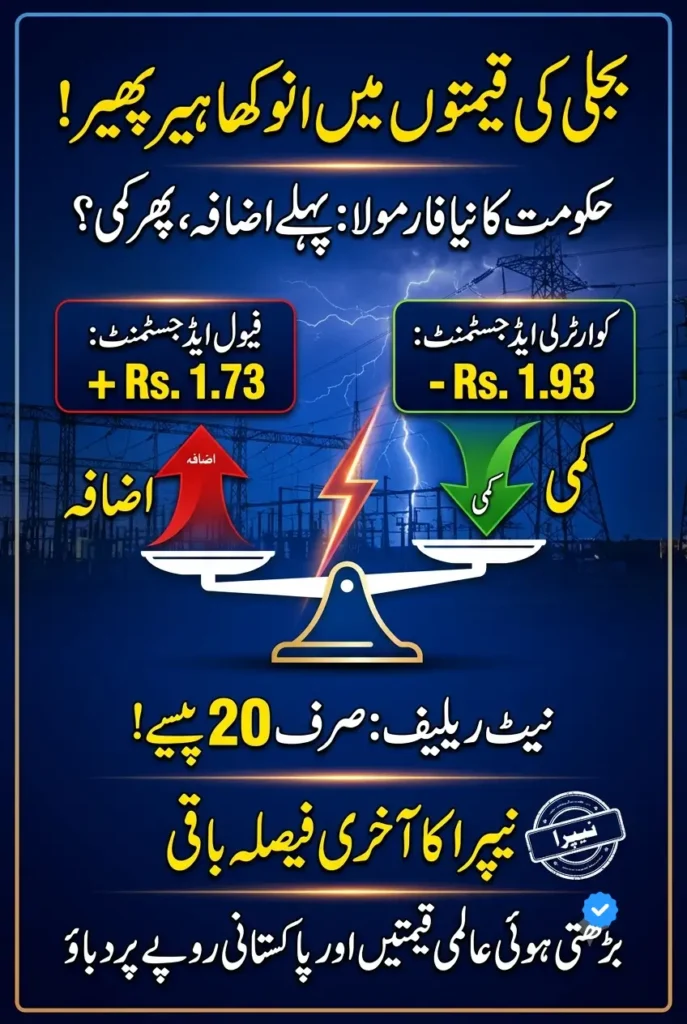
At the same time, a monthly fuel adjustment for April 2026 is expected to increase tariffs by Rs. 1.73 per unit due to rising LNG and furnace oil costs in global markets. When both adjustments are combined, the net impact is expected to be minimal, with only around 20 paisa per unit relief likely for consumers.
How the Adjustment System Creates “Push and Pull” Effect
Pakistan’s electricity tariff system is based on multiple adjustment mechanisms that operate independently but impact the final consumer bill together. The two most important components are the Quarterly Tariff Adjustment (QTA) and the Fuel Charges Adjustment (FCA).
The QTA generally reflects changes in generation costs over a three-month period, including efficiency gains, capacity charges, and operational improvements. When costs are lower than expected or system efficiency improves, consumers receive relief through reduced tariffs.
Government Claims Stability Despite Global Energy Pressure
The Power Division has claimed that without timely interventions, electricity prices could have increased significantly in June 2026. Officials estimate that consumers were at risk of facing an additional burden of Rs. 5 to Rs. 6 per unit due to rising global fuel prices and geopolitical tensions affecting energy markets.
According to the ministry, policy measures such as better fuel allocation, increased use of domestic gas, and optimized generation from coal and furnace oil plants helped reduce this pressure. These steps reportedly prevented a potential financial burden of around Rs. 38 billion on consumers.
Global LNG Price Surge and Its Impact
A major factor influencing electricity costs is the sharp increase in global LNG prices. Officials noted that RLNG prices, previously estimated at around $70 per barrel equivalent, surged to nearly $120 in April 2026 due to international supply disruptions.
This increase has forced Pakistan to rely more on expensive fuel sources, raising overall generation costs. As a result, monthly fuel adjustments have moved upward, directly affecting consumer electricity bills.
NEPRA’s Role in Final Decision
While the Power Division provides estimates and proposals, the final decision on electricity tariffs is made by NEPRA. The regulator reviews fuel costs, generation data, and system efficiency before issuing its final determination.
NEPRA’s hearings will determine the final impact of both the quarterly and monthly adjustments. Although the government expects a near-neutral outcome, minor variations may still occur depending on regulatory review.
Oil Crosses $111 After Mysterious Drone Attacks on UAE and Saudi Arabia
System Efficiency and Domestic Energy Use
Officials say improvements in transmission efficiency and better recovery of electricity bills have helped reduce financial pressure on the system. Increased use of domestic gas, where available, has also helped limit dependence on imported fuels.
However, due to limited domestic supply, Pakistan continues to rely heavily on imported LNG and furnace oil, making electricity prices sensitive to global market fluctuations.
Impact on Consumers
For consumers, the combined effect of these adjustments means relatively stable electricity bills in the short term. Most households are expected to see little to no significant change in June 2026 bills.
However, experts warn that this balance is fragile and depends heavily on international fuel prices. Any sudden global shock could quickly shift tariffs upward or downward.
Final Thought
Pakistan’s electricity pricing system continues to operate under a delicate balance of rising global fuel costs and domestic adjustment mechanisms. While the government presents the current near-neutral outcome as a success in managing competing pressures, the underlying dependence on imported energy remains a long-term challenge.
FAQs
1. Why are electricity prices changing in both directions at the same time?
Because two different adjustment mechanisms are applied: the quarterly adjustment (which gives relief) and the monthly fuel adjustment (which increases costs). Both are calculated separately and then combined in the final bill.
2. What is the expected relief in the June 2026 quarterly adjustment?
The quarterly adjustment is expected to reduce electricity prices by around Rs. 1.93 per unit for consumers.
3. Why is the monthly fuel adjustment increasing electricity bills?
The April 2026 fuel adjustment reflects higher global LNG and furnace oil prices, which have increased the cost of electricity generation by about Rs. 1.73 per unit.
4. What is the final expected impact on consumers?
After combining both adjustments, the net impact is expected to be minimal—around 20 paisa per unit relief.
5. Who approves the final electricity tariff changes?
The National Electric Power Regulatory Authority (NEPRA) reviews all data and holds hearings before giving the final approval for tariff changes.
Pakistan Struggles to Unlock Rs. 1.2 Trillion Circular Debt Facility