
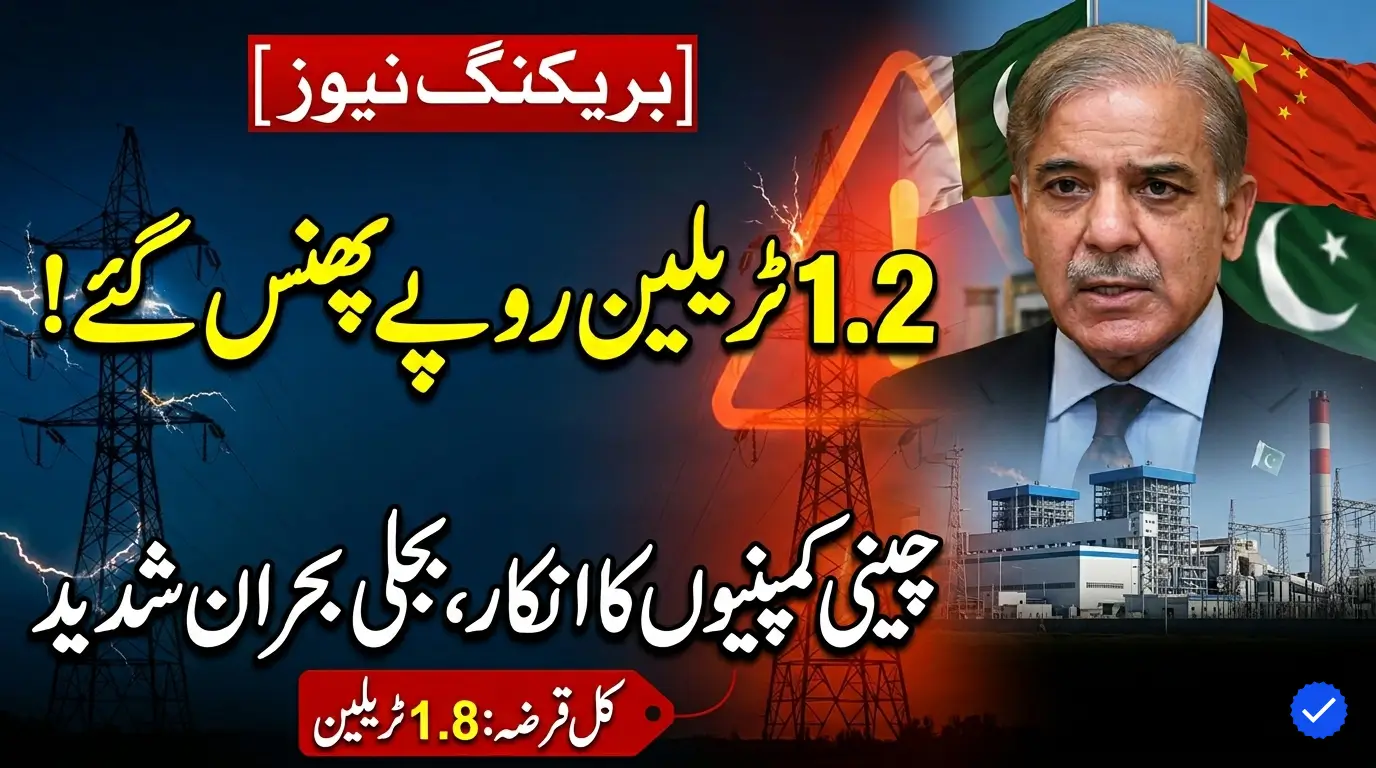
Pakistan Struggles to Unlock
The delay is mainly linked to ongoing disagreements with Chinese Independent Power Producers (IPPs) operating under the China-Pakistan Economic Corridor (CPEC). Officials are now trying to convince these companies to sign revised settlement agreements similar to those already accepted by several local IPPs.
Govt Officially Relaxes Market Timings
یہ مسئلہ اس لیے اہمیت اختیار کر گیا ہے کہ ملک کا گردشی قرضہ خطرناک حد تک پہنچ چکا ہے۔ رپورٹس کے مطابق پاکستان کا پاور سیکٹر کا گردشی قرضہ اب 20 ارب روپے کے قریب ہے۔ 1.8 ٹریلین، معیشت اور توانائی کے نظام پر بہت زیادہ دباؤ ڈال رہا ہے۔ حکومت کا خیال ہے کہ پاور پروڈیوسرز کے ساتھ تنظیم نو کے معاہدے اس شعبے کو مستحکم کرنے اور مستقبل میں ہموار مالیاتی کارروائیوں کو یقینی بنانے کے لیے ضروری ہیں۔
Government Begins Fresh Negotiations With Chinese IPPs
To address the growing crisis, the National Energy Task Force led by Power Minister Sardar Awais Ahmed Khan Leghari has reportedly finalized a new mechanism for negotiations with Chinese power companies. These discussions aim to bring Chinese IPPs into the government’s broader circular debt reduction strategy so that pending financing can finally be released.
Officials say that several Chinese companies have so far resisted signing revised settlement agreements or offering discounts on outstanding dues. As a result, a large portion of the Rs. 1.225 trillion facility remains undistributed. The government fears that unless agreements are finalized soon, the financial pressure on the power sector could become even more severe in the coming months.
Massive Outstanding Payments Continue to Rise
The Central Power Purchasing Agency (CPPA) currently owes more than Rs. 560 billion, nearly $2 billion, to Chinese power projects operating in Pakistan. These unpaid dues have increased sharply over the past year, creating serious concerns among investors and energy companies involved in CPEC-related projects.
Chinese investors are reportedly raising the payment issue through multiple forums, including the CPEC Secretariat. Delayed payments and growing receivables have increased uncertainty for foreign investors who expected timely financial settlements under long-term agreements. The situation has also raised concerns about Pakistan’s credibility in handling major international infrastructure partnerships.
Oil Prices Jump After UAE Nuclear Plant Drone Attack
Circular Debt Remains a Major Economic Threat
Pakistan’s circular debt problem has been one of the country’s most serious economic challenges for years. Circular debt occurs when different entities within the energy chain fail to make timely payments, eventually creating a cycle of unpaid obligations. Power generation companies are not paid on time, which affects fuel suppliers, distribution companies, and the entire electricity supply system.
Successive governments have attempted various reforms to reduce circular debt, including tariff increases, subsidy cuts, and restructuring agreements with IPPs. However, rising electricity losses, power theft, weak recoveries, and expensive generation costs continue to fuel the crisis. The latest banking facility was introduced as part of a broader effort to reduce outstanding liabilities and restore confidence in the power sector.
Banks Provide Major Financing Support
قرضوں کے بڑھتے ہوئے بوجھ سے نمٹنے کے لیے وفاقی حکومت نے 2000 ارب روپے کی رقم حاصل کی۔ 18 کمرشل بینکوں سے 1.225 ٹریلین قرضہ۔ اس فنانسنگ پیکج کو پاکستان کی تاریخ میں گردشی قرضوں کو کم کرنے کی سب سے بڑی کوششوں میں سے ایک سمجھا جاتا ہے۔ حکام نے امید ظاہر کی کہ یہ سہولت حکومت کو بجلی پیدا کرنے والوں کو زیر التواء ادائیگیوں کو صاف کرنے اور توانائی کے شعبے میں لیکویڈیٹی کو بہتر کرنے کی اجازت دے گی۔
فنانسنگ کا بندوبست کرنے کے باوجود حکام اس سہولت سے پوری طرح استفادہ نہیں کر سکے ہیں کیونکہ چینی پاور پراجیکٹس کے ساتھ نظرثانی شدہ معاہدے نامکمل ہیں۔ رپورٹس بتاتی ہیں کہ لگ بھگ روپے۔ 2025 میں وزیر اعظم شہباز شریف کے دورہ چین سے قبل تقریباً 16 چینی منصوبوں کے لیے 100 ارب روپے جاری کیے گئے تھے۔ تاہم، حکام اب وسیع تر تنظیم نو کے انتظامات کے بغیر عارضی ادائیگیاں جاری رکھنے سے گریزاں ہیں۔
Concerns Over Future Power Supply
The delay in payments has also raised fears regarding Pakistan’s future electricity supply. Some Chinese companies have warned that continuous non-payment could affect plant operations and investment confidence. Port Qasim Electric Power Company has reportedly informed the government that rising unpaid dues may eventually allow the company to suspend operations under the terms of its Power Purchase Agreement.
Such warnings have increased pressure on policymakers to find a long-term solution quickly. Any disruption in electricity generation from major CPEC power plants could worsen load management issues and create additional economic instability. Pakistan heavily depends on these projects to meet national electricity demand, especially during periods of high consumption.
Gold Rate Slips Further Away From Rs. 5 Lac per Tola in Pakistan
Impact on Pakistan China Economic Relations
The ongoing dispute also carries diplomatic and strategic importance because many of the affected projects fall under CPEC, one of the largest components of Pakistan-China economic cooperation. Chinese investment has played a major role in Pakistan’s infrastructure and energy development over the last decade, particularly in addressing electricity shortages.
Delays in payments and unresolved financial disputes could create tensions between investors and Pakistani authorities. Experts believe that maintaining investor confidence is essential not only for the power sector but also for future foreign investment opportunities. Smooth financial management and transparent agreements will likely remain critical for sustaining long-term economic cooperation between the two countries.
Need for Structural Energy Reforms
Economic analysts argue that Pakistan cannot permanently solve circular debt problems without major structural reforms in the power sector. Temporary loans and payment arrangements may provide short-term relief, but the underlying issues continue to persist. High transmission losses, electricity theft, poor bill recoveries, and inefficient distribution systems remain major contributors to the crisis.
Experts suggest that reforms should focus on improving governance, modernizing infrastructure, reducing line losses, and increasing transparency in power sector operations. Without sustainable reforms, circular debt may continue to grow despite repeated financial interventions and external borrowing arrangements.
Faqs
1. Rs. 1.225 Trillion Facility Still Partially Blocked
The government has not been able to fully unlock the banking facility because Chinese IPPs have yet to sign revised settlement agreements.
2. Chinese IPPs Are Owed Over Rs. 560 Billion
The Central Power Purchasing Agency currently owes nearly $2 billion to Chinese power projects operating under CPEC.
3. Circular Debt Nears Rs. 1.8 Trillion
Pakistan’s overall power sector circular debt has reached dangerously high levels, creating pressure on the economy and energy system.
4. Investors Fear Payment Delays
Chinese companies have expressed growing concern over delayed payments and rising outstanding receivables.
5. Power Supply Risks Are Increasing
Port Qasim Electric Power Company has warned that continued unpaid dues may eventually affect plant operations under existing agreements.
Government Cuts Petrol, Diesel Prices by Rs. 5 Per Litre
Final Words
Pakistan’s struggle to fully utilize the Rs. 1.225 trillion circular debt facility reflects the deeper financial and structural problems within the country’s power sector. While the government is attempting to negotiate revised agreements with Chinese IPPs, delays in settlements continue to create uncertainty for investors and policymakers alike. The outcome of these negotiations will likely play a major role in determining the future stability of Pakistan’s energy sector.