
Budget Cars Are Rapidly Changing
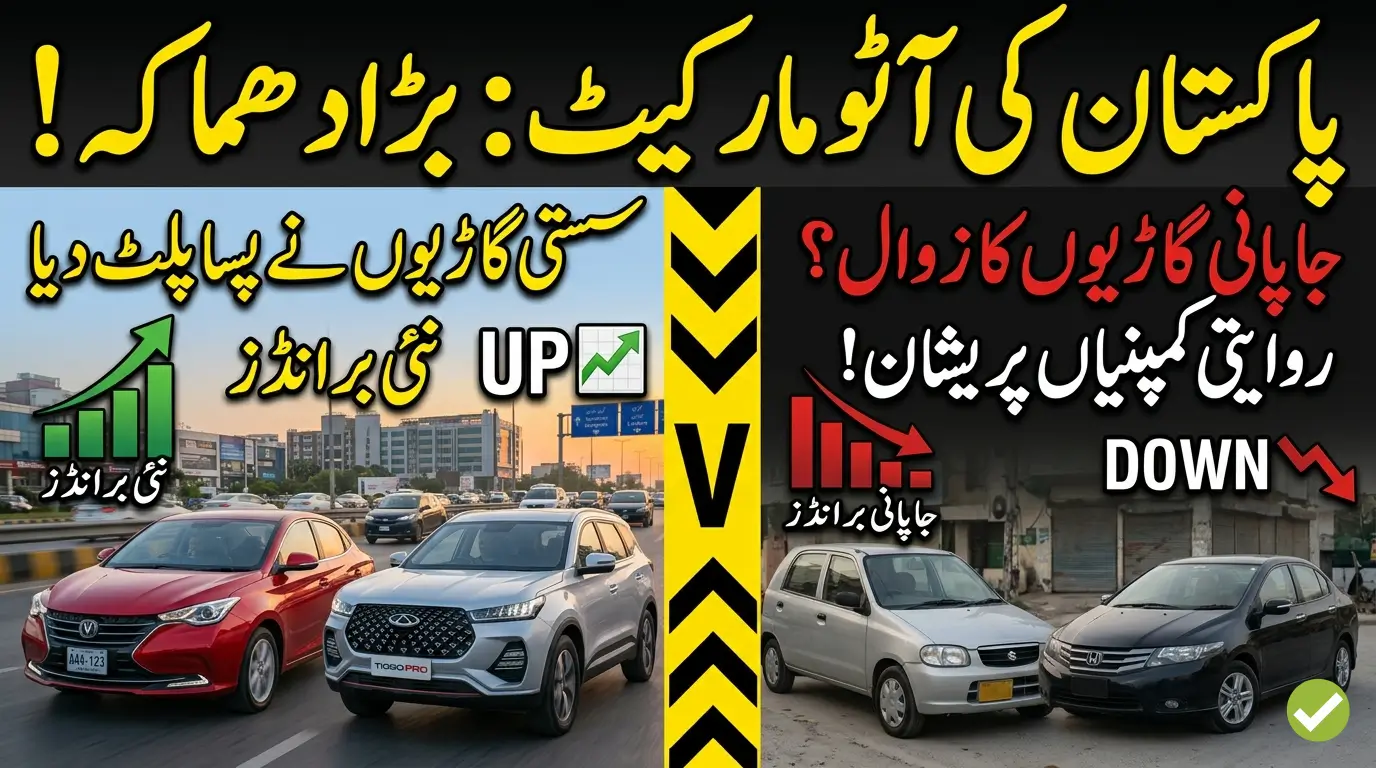
Pakistan’s automobile industry is entering a new phase of competition as budget-friendly vehicles continue gaining popularity across the country. While Japanese automakers once dominated the local market with overwhelming control, their market share is now steadily declining as new brands and cheaper alternatives attract consumers looking for affordability and modern features.
Gold Rate Slips Further Away From Rs. 5 Lac per Tola in Pakistan
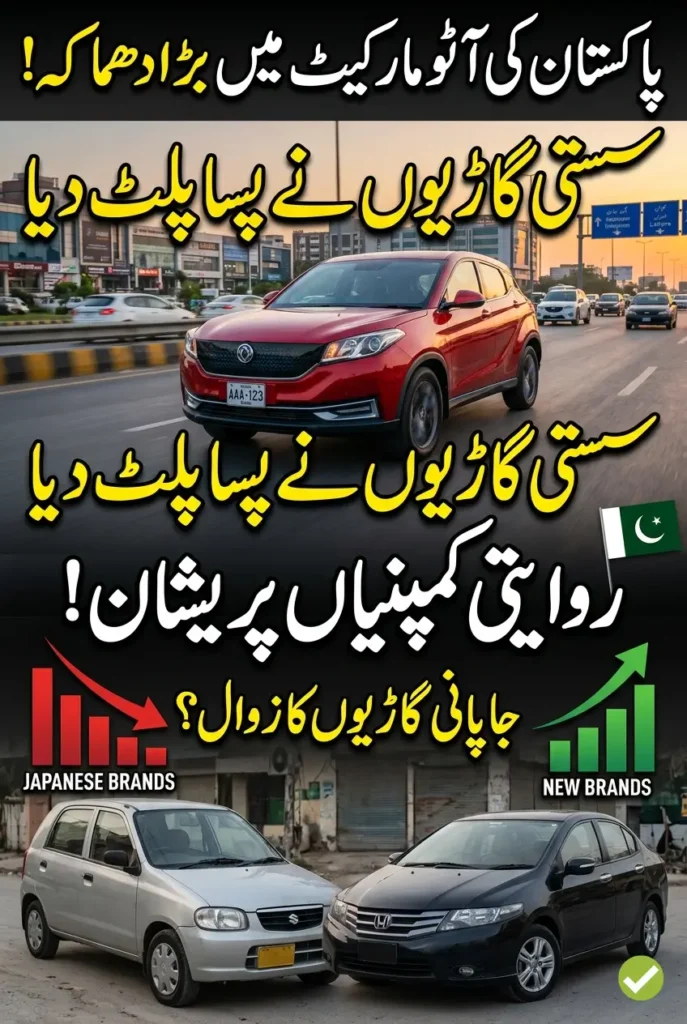
According to industry estimates, Pakistan’s auto sector is expected to maintain its recovery momentum during FY2025-26. Total vehicle sales, including local manufacturers, non-PAMA assemblers, and imported used cars, are projected to reach nearly 297,000 units. Although this figure remains slightly below the historic peak recorded in FY2018, it reflects a significant improvement compared to the slowdown experienced in recent years.
Japanese Automakers Losing Their Strong Grip
For decades, Japanese brands remained the first choice for Pakistani consumers due to their reliability, resale value, and extensive dealership networks. Cars from Toyota, Honda, and Suzuki became household names and dominated roads throughout the country.
Many middle-income buyers who once preferred Japanese vehicles are now considering alternative brands that offer lower prices, better features, and easier installment plans. The growing gap between vehicle prices and consumer purchasing power has significantly influenced buying decisions.
New Entrants Are Reshaping Competition
The arrival of new automotive companies has transformed Pakistan’s car market over the past few years. Chinese and Korean automakers, along with non-PAMA assemblers, are introducing vehicles that directly compete with traditional Japanese brands.
These newer companies are targeting consumers with modern designs, advanced technology, fuel-efficient engines, and competitive pricing. Many vehicles also include features that were previously available only in expensive models, making them more appealing to younger buyers.
Government Cuts Petrol, Diesel Prices by Rs. 5 Per Litre
Budget Cars Becoming the Preferred Choice
Affordable hatchbacks and entry-level sedans are witnessing strong demand because they offer lower maintenance costs and better fuel economy. Buyers are also paying closer attention to spare parts availability and long-term running expenses before purchasing vehicles.
Banks and leasing companies are also playing a role in supporting budget car demand by offering financing options with easier installment structures. Although auto financing remains lower compared to previous years, gradual economic recovery is helping consumer confidence improve.
Industry Recovery Continues Despite Challenges
Pakistan’s automobile sector has faced several difficult years due to import restrictions, currency depreciation, inflation, and economic instability. Production disruptions and higher manufacturing costs forced companies to increase prices significantly, reducing overall vehicle demand.
Government policies related to import regulations, taxes, and localization are also influencing market performance. Industry stakeholders believe stable economic conditions and improved consumer purchasing power will be critical for long-term growth.
UAE Missile Interceptions Gulf Security Alert Middle East Tensions Rise
Consumer Preferences Are Rapidly Evolving
Modern Pakistani consumers are becoming more informed and selective when purchasing vehicles. Unlike previous years when brand reputation alone influenced decisions, buyers now compare features, technology, fuel efficiency, maintenance costs, and resale value before making purchases.
Digital platforms and social media reviews are also shaping customer opinions. Consumers can easily compare models online and access detailed information about performance and reliability.
Future Outlook for Pakistan’s Auto Industry
Experts believe Pakistan’s automobile market will continue becoming more competitive in the coming years. The declining dominance of Japanese brands does not necessarily mean they will disappear from the market, but it clearly shows that their monopoly is weakening.
There is also growing discussion around electric vehicles and hybrid technology in Pakistan. Although the EV market remains small, government incentives and rising fuel costs could gradually encourage more consumers to consider alternative energy vehicles.
FAQs
1. Why are Japanese automakers losing market share in Pakistan?
Japanese automakers are losing market share due to rising vehicle prices, increased competition from new brands, and changing consumer demand for affordable and feature-rich cars.
2. Which companies dominate Pakistan’s traditional auto market?
Indus Motor Company, Honda Atlas Cars, and Pak Suzuki Motor Company have traditionally dominated Pakistan’s automobile market.
3. Why are budget cars becoming more popular in Pakistan?
Budget cars are becoming popular because they are more affordable, fuel-efficient, and cheaper to maintain during economic uncertainty and high inflation.
4. How many vehicles are expected to be sold in FY2025-26?
Pakistan’s total vehicle sales are projected to reach around 297,000 units during FY2025-26.
5. What is changing in consumer preferences in Pakistan’s car market?
Consumers are now focusing more on affordability, fuel efficiency, safety features, technology, and overall value instead of only brand reputation.
Iran Claims to Have Seized ‘Offending’ Oil Tanker in Gulf of Oman
Final Words
Pakistan’s automobile industry is experiencing a major transformation as budget-friendly vehicles continue gaining popularity and traditional Japanese brands lose their long-standing dominance. The rise of new competitors, changing consumer preferences, and economic pressures are reshaping the market faster than ever before. While Japanese automakers still hold a significant share, the growing demand for affordable and modern vehicles signals a new era of competition in Pakistan’s automotive sector.