
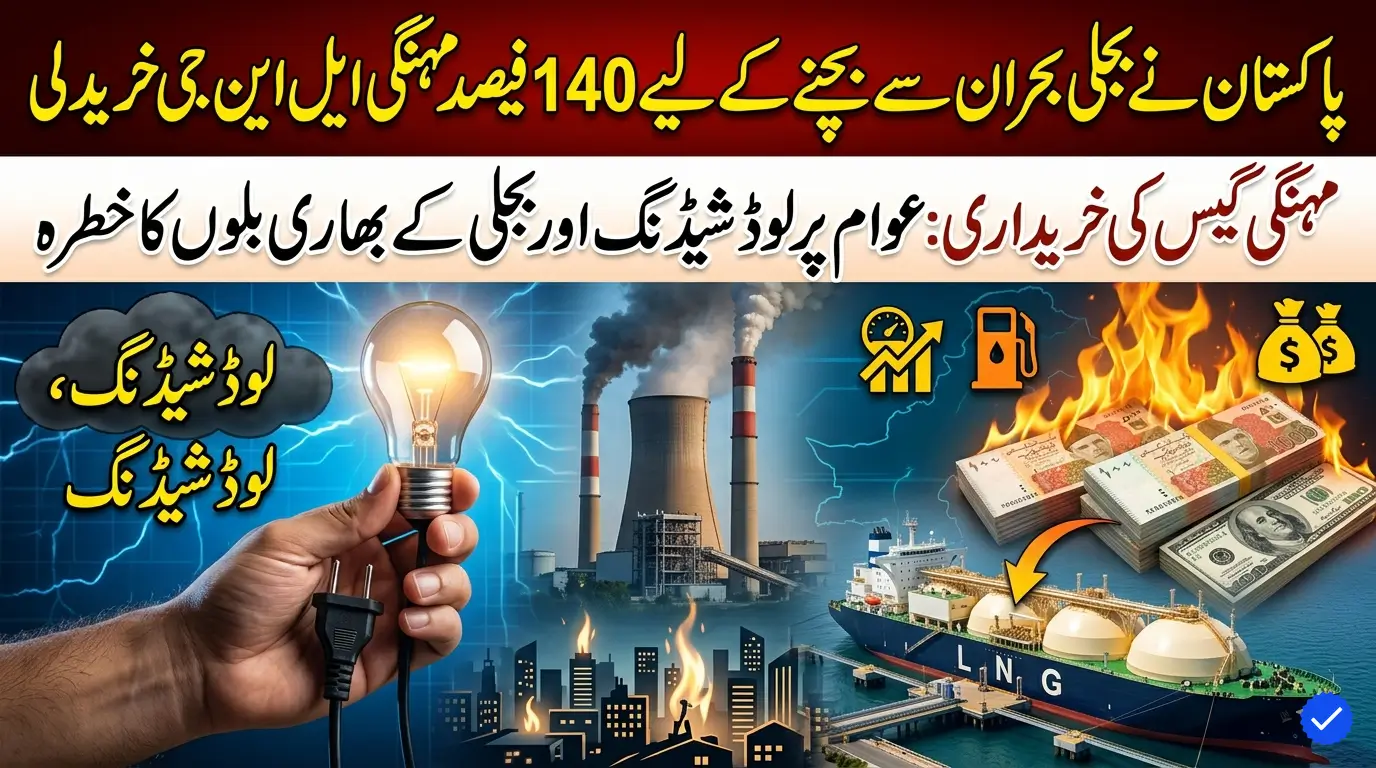
Pakistan is once again facing a serious energy challenge as the government moves urgently to secure liquefied natural gas at significantly higher prices to prevent widespread electricity shortages. With summer approaching and demand for power increasing rapidly, authorities have taken emergency steps to ensure that the country’s energy needs are met, even at a much higher financial cost.
NADRA Introduces Self-Service Kiosks to Transform ID Card Services
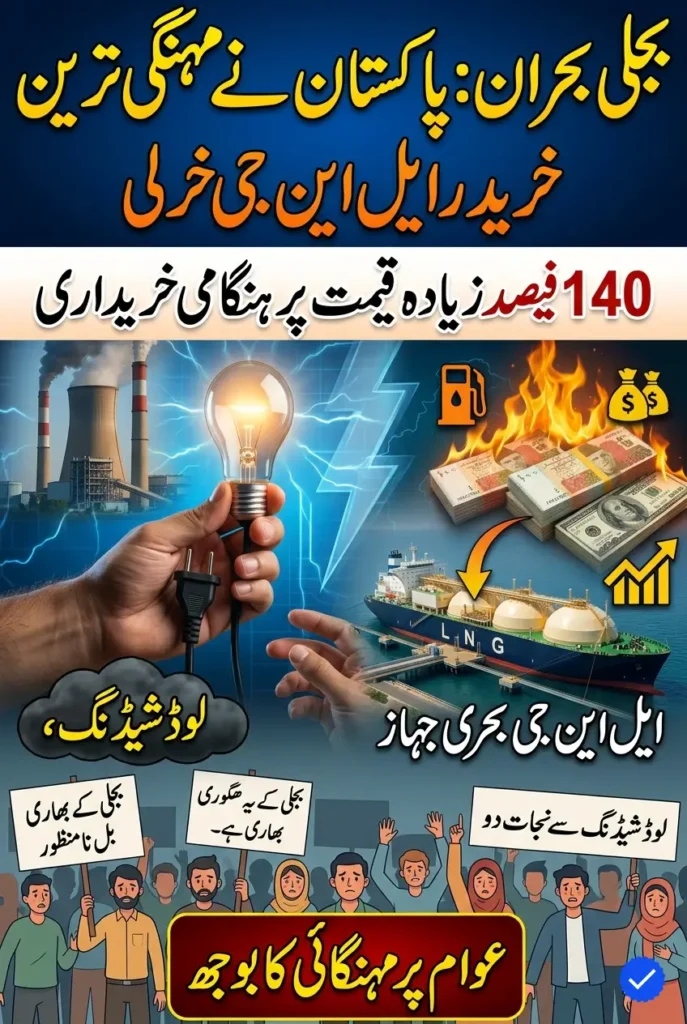
The latest development highlights the fragile state of Pakistan’s energy sector, where supply disruptions and heavy reliance on imports continue to create recurring crises. In an effort to keep the lights on and avoid prolonged outages, the government has opted to purchase expensive LNG cargoes from the international spot market.
Emergency LNG Purchases at High Prices
The procurement was carried out by Pakistan LNG Limited, which floated urgent tenders to cover a significant shortfall in electricity generation. The country was facing a power deficit of more than 4,500 megawatts, leading to load shedding lasting up to six to seven hours in various parts of the country.
To address this shortage, Pakistan secured three LNG cargoes at prices that are approximately 140 percent higher than its long-term supply agreements. Traditionally, Pakistan imports LNG from Qatar at rates ranging between $7 and $9 However, the newly purchased cargoes were acquired at rates close to $18 reflecting a sharp increase in procurement costs.
Pakistan Beats US, UK and Japan in Global Outsourcing Rankings
Bidding Details and Suppliers
Several international energy companies participated in the bidding process. Among them, TotalEnergies submitted one of the lowest bids at $18.88 per mmBtu for deliveries scheduled between April 27 and April 30.
Another supplier, Vitol, offered LNG at $18.54 per mmBtu for deliveries in early May. Meanwhile, OQ Trading provided the most competitive rate at $17.997 per mmBtu for shipments planned for mid-May.
Each of these cargoes is expected to supply approximately 100 million cubic feet per day of gas, which will help support power generation during a critical period of high demand.
Supply Disruptions and Global Factors
One of the major reasons behind the surge in LNG prices is the disruption of global supply routes. The closure of the Strait of Hormuz has created uncertainty in the energy market, limiting the availability of LNG shipments and driving prices upward.
Since Pakistan depends heavily on imported energy resources, any disruption in global supply chains directly affects its ability to secure fuel at stable prices. The current situation demonstrates how geopolitical tensions and logistical challenges can quickly translate into domestic energy crises.
Government Announces Another Sharp Increase in Petrol and Diesel
Power Shortfall and Load Shedding
Pakistan’s electricity demand rises sharply during the summer due to increased use of air conditioning and cooling systems. This year, the situation became critical earlier than expected, with a shortfall exceeding 4,500 megawatts.
As a result, many areas experienced extended periods of load shedding, causing inconvenience for households and businesses alike. Public frustration has been growing, especially as outages began before the peak summer season had fully arrived.
To address the issue, the Power Division instructed the Petroleum Division to arrange approximately 400 mmcfd of LNG. This supply is crucial for running gas-fired power plants capable of generating up to 6,000 megawatts of electricity.
Why LNG Was Preferred Over Diesel
Although LNG prices are currently very high, it is still considered a more economical option compared to diesel-based power generation. The cost of generating electricity using diesel has reportedly exceeded Rs. 80 per unit, making it an extremely expensive alternative.
By importing LNG, the government aims to reduce overall generation costs while ensuring that power plants remain operational. However, even LNG at elevated prices will contribute to higher electricity costs for consumers.
Impact on Consumers
The financial burden of expensive LNG imports is likely to be passed on to consumers through higher electricity tariffs. Fuel cost adjustments are expected to increase, adding further pressure on households already struggling with inflation.
In addition, if LNG supplies remain uncertain or insufficient, the country may face increased reliance on alternative fuels, which could further drive up costs and worsen the energy situation.
The Power Division has already warned that any disruption in LNG supply could lead to more severe load shedding and higher electricity prices, creating a difficult situation for the public.
Revival of Student Unions in KP A Step Toward Democratic Engagement
Long-Term Energy Challenges
Pakistan’s ongoing energy issues highlight the need for long-term planning and sustainable solutions. Heavy dependence on imported fuels makes the country vulnerable to global price fluctuations and supply disruptions.
Experts suggest that investing in renewable energy sources such as solar and wind power could help reduce reliance on imports. Improving energy efficiency and upgrading infrastructure are also essential steps toward building a more resilient energy system.
Additionally, better management of existing resources and timely procurement strategies could help prevent emergency purchases at inflated prices.
Public and Economic Implications
The decision to purchase expensive LNG reflects the urgency of the situation but also raises concerns about its economic impact. Increased energy costs can slow down industrial activity, raise production expenses, and contribute to overall inflation.
For businesses, especially in the manufacturing sector, higher electricity costs can reduce competitiveness and profitability. For ordinary citizens, rising utility bills add to the already heavy financial burden.
The situation underscores the importance of balancing immediate needs with long-term economic stability.
Usman Khan Creates PSL History With Record Fourth Century
FAQs
Why did Pakistan purchase LNG at higher prices?
Pakistan urgently needed LNG to address a power shortfall and prevent widespread electricity outages during the summer season.
How much more expensive is the new LNG compared to long-term contracts?
The new LNG cargoes are حوالي 140 percent more expensive than long-term supplies from Qatar.
What caused the increase in LNG prices?
Supply disruptions, including issues related to the Strait of Hormuz, and high global demand contributed to the price surge.
How will this affect electricity consumers?
Consumers may face higher electricity bills due to increased fuel cost adjustments and expensive power generation.
Is LNG still cheaper than diesel for power generation?
Yes, despite high prices, LNG is still more economical than diesel, which has extremely high generation costs.
Final Words
Pakistan’s emergency LNG purchase highlights the challenges of managing an energy system heavily dependent on imports. While the decision may help prevent immediate power shortages, it comes at a significant financial cost that will likely impact consumers and the broader economy. Moving forward, the country must focus on sustainable energy solutions and better planning to avoid similar crises in the future and ensure a stable, affordable energy supply for its population.
Zong Leads Pakistan’s Mobile Network Performance in 2026 Report