
IMF Pushes Pakistan Toward
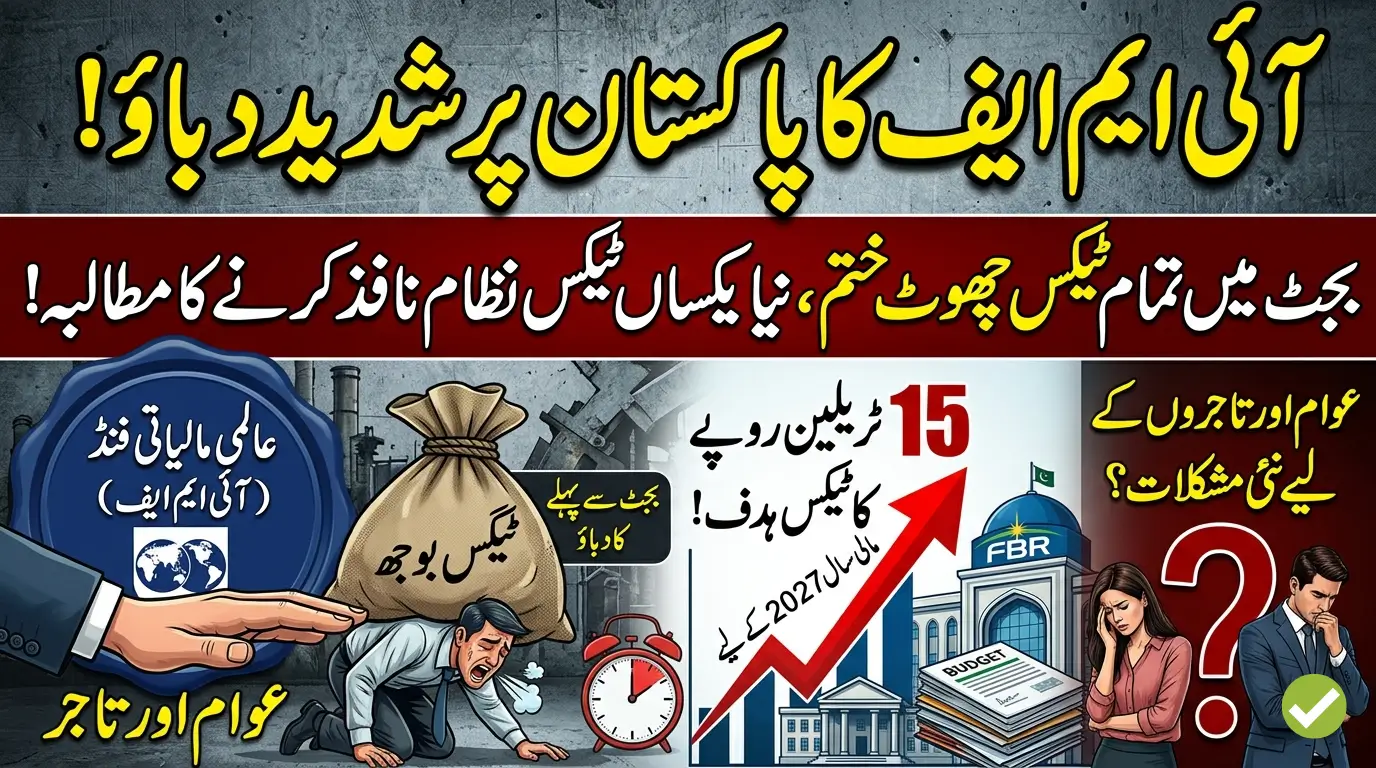
Pakistan is once again entering a crucial phase of economic negotiations as the International Monetary Fund (IMF) presses the government to introduce sweeping tax reforms in the upcoming federal budget. According to reports, the IMF has asked Pakistan to remove all sales tax exemptions and adopt a uniform sales tax system across different industries and sectors. The discussions are taking place between the IMF delegation and the Federal Board of Revenue (FBR) as both sides attempt to finalize revenue targets for the next fiscal year.
Govt Officially Relaxes Market Timings
مجوزہ اصلاحات کو حالیہ برسوں میں پاکستان کے ٹیکس کے ڈھانچے میں ہونے والی سب سے بڑی تبدیلیوں میں سے ایک کے طور پر دیکھا جا رہا ہے۔ اس وقت، متعدد صنعتیں ٹیکس میں خصوصی چھوٹ اور کم شرحوں سے لطف اندوز ہوتی ہیں، جس سے ٹیکس کا پیچیدہ ماحول پیدا ہوتا ہے۔ آئی ایم ایف کا خیال ہے کہ یہ چھوٹ محصولات کی وصولی کو کمزور کرتی ہے اور معیشت کے اندر عدم مساوات کو بڑھاتی ہے۔ ٹیکس کے یکساں نظام کو نافذ کرکے، فنڈ کا مقصد ٹیکسوں کو آسان بنانا اور حکومت کی مجموعی آمدنی کو بہتر بنانا ہے۔
Pressure on FBR to Increase Revenue Collection
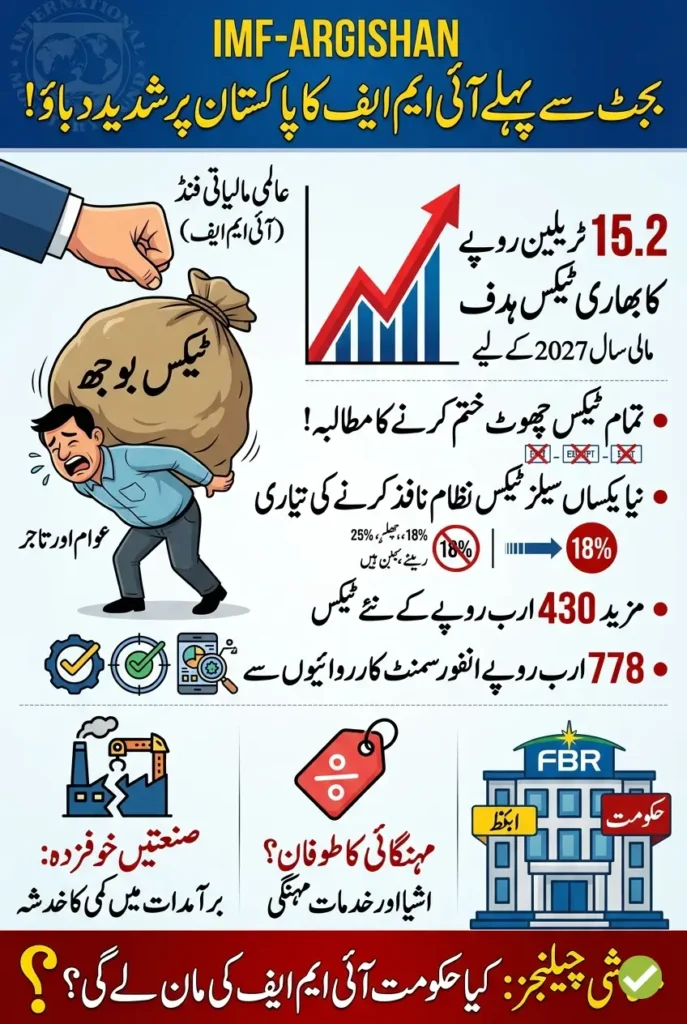
The IMF has reportedly proposed a massive tax collection target of Rs. 15.264 trillion for FY2027. However, officials within the FBR are still trying to negotiate a lower figure, arguing that the current economic conditions may make such a target difficult to achieve. Rising inflation, slowing industrial growth, and reduced purchasing power have already created serious economic challenges for businesses and consumers alike.
Despite these concerns, the IMF continues to push for stricter tax enforcement and broader revenue generation measures. Sources suggest that the global lender wants Pakistan to introduce nearly Rs. 430 billion in fresh taxes while also generating around Rs. 778 billion through enforcement actions. These measures could include stronger anti-tax evasion campaigns, digital tracking systems, and tighter monitoring of undocumented sectors.
Uniform Sales Tax System Under Discussion
One of the most important proposals under discussion is the introduction of a uniform sales tax system. Currently, different sectors in Pakistan operate under varying tax rates and exemptions. Some industries pay lower taxes while others receive complete relief under special government policies. The IMF believes this system creates loopholes that reduce transparency and encourage unfair advantages.
According to reports, the IMF has suggested reducing the higher sales tax rate from 22.8 percent to 18 percent while removing all special exemptions. This means that instead of charging different tax rates to different industries, the government would apply the same rate uniformly. Supporters of this proposal argue that it could simplify the tax structure and make compliance easier for businesses.
Concerns From Businesses and Industries
Although the IMF considers these reforms necessary, many business groups are worried about their possible impact. Industries that currently enjoy tax exemptions fear that removing these incentives could increase production costs and reduce competitiveness. Export-oriented sectors, in particular, are concerned that higher operational expenses may hurt Pakistan’s exports in international markets.
Small businesses and traders are also expressing concern over stricter enforcement measures. Many fear that sudden tax changes could increase financial pressure at a time when inflation and utility prices are already very high. Pakistan’s industrial sector has faced rising electricity tariffs, expensive fuel prices, and currency depreciation over the last few years, making the business environment increasingly difficult.
Gold Rate Slips Further Away From Rs. 5 Lac per Tola in Pakistan
Impact on Common Citizens
مجوزہ ٹیکس اصلاحات سے عام شہری بھی متاثر ہونے کا امکان ہے۔ اگر بعض شعبوں سے استثنیٰ کو ہٹا دیا جاتا ہے، تو کمپنیاں اشیا اور خدمات کی زیادہ قیمتوں کے ذریعے صارفین کو اضافی اخراجات منتقل کر سکتی ہیں۔ اس سے افراط زر میں مزید اضافہ ہو سکتا ہے، جو آج ملک کو درپیش سب سے بڑے معاشی مسائل میں سے ایک ہے۔
تاہم، معاشی ماہرین کا کہنا ہے کہ ٹیکس کی ایک وسیع بنیاد بالآخر پاکستان کی معیشت کو مستحکم کرنے میں مدد دے سکتی ہے۔ ان کا ماننا ہے کہ بالواسطہ ٹیکسوں پر بہت زیادہ انحصار کرنے اور قرض لینے نے طویل مدتی مالیاتی کمزوریوں کو جنم دیا ہے۔ اگر منصفانہ طور پر لاگو کیا جائے تو، ٹیکس کا یکساں نظام پہلے سے دستاویزی شعبوں پر ٹیکس کی شرح میں مسلسل اضافہ کیے بغیر حکومت کی آمدنی کو بہتر بنا سکتا ہے۔
IMF’s Long-Term Economic Strategy
The IMF’s recommendations are part of a broader economic reform agenda aimed at strengthening Pakistan’s fiscal position. Over the years, Pakistan has repeatedly approached the IMF for financial assistance due to balance-of-payment crises and declining foreign exchange reserves. In return, the Fund often demands structural reforms designed to improve economic discipline and reduce budget deficits.
These reforms usually focus on taxation, energy pricing, state-owned enterprises, and subsidy reductions. The IMF believes Pakistan’s current taxation system suffers from excessive exemptions, weak enforcement, and a narrow tax base. By removing special treatment for certain sectors, the organization hopes the country can increase revenue generation and reduce dependence on external borrowing.
Political Challenges for the Government
Implementing such reforms may not be politically easy for the government. Tax increases and subsidy reductions often trigger strong reactions from businesses, opposition parties, and the public. With inflation already affecting millions of households, any new taxation measures could become a sensitive political issue in the coming months.
The government must therefore balance IMF demands with domestic economic realities. Officials are expected to continue negotiations in an attempt to soften some conditions while still securing IMF support. Pakistan’s leadership understands that maintaining relations with international lenders remains critical for economic stability and investor confidence.
Government Cuts Petrol, Diesel Prices by Rs. 5 Per Litre
Future of Pakistan’s Tax System
Experts believe that Pakistan’s taxation structure requires major modernization regardless of IMF pressure. A large portion of the economy remains undocumented, while the burden of taxation often falls on salaried individuals and registered businesses. Economists argue that sustainable reforms should focus on expanding the tax net instead of repeatedly increasing taxes on compliant sectors.
Digital tax systems, improved documentation, and stronger anti-corruption measures could help create a fairer taxation environment. If the government successfully reforms the FBR and improves tax collection efficiency, Pakistan may eventually reduce its reliance on emergency international loans and create a more stable financial future.
Faqs
1. IMF Wants End to Sales Tax Exemptions
The IMF has asked Pakistan to abolish all special sales tax exemptions currently available to various sectors and industries.
2. Uniform Tax Rate Proposed
The Fund has suggested reducing the higher sales tax rate from 22.8 percent to 18 percent while applying the same rate across all sectors.
3. Massive Revenue Target Set
The IMF is reportedly seeking a tax collection target of Rs. 15.264 trillion for FY2027.
4. New Taxes and Enforcement Measures Planned
Pakistan may introduce Rs. 430 billion in new taxes along with Rs. 778 billion in enforcement-based revenue measures.
5. Economic Impact Could Be Significant
Businesses fear higher costs and reduced competitiveness, while consumers may face additional inflationary pressure if prices increase.
UAE Missile Interceptions Gulf Security Alert Middle East Tensions Rise
Final Words
Pakistan’s ongoing negotiations with the IMF highlight the country’s continuing struggle to achieve economic stability while managing rising financial pressures. The proposed sales tax reforms could reshape the national taxation system and significantly affect industries, businesses, and consumers alike. While the IMF believes these measures are necessary for long-term fiscal improvement, concerns remain about their short-term impact on economic growth and public affordability.