
Pakistan New Taxes Budget
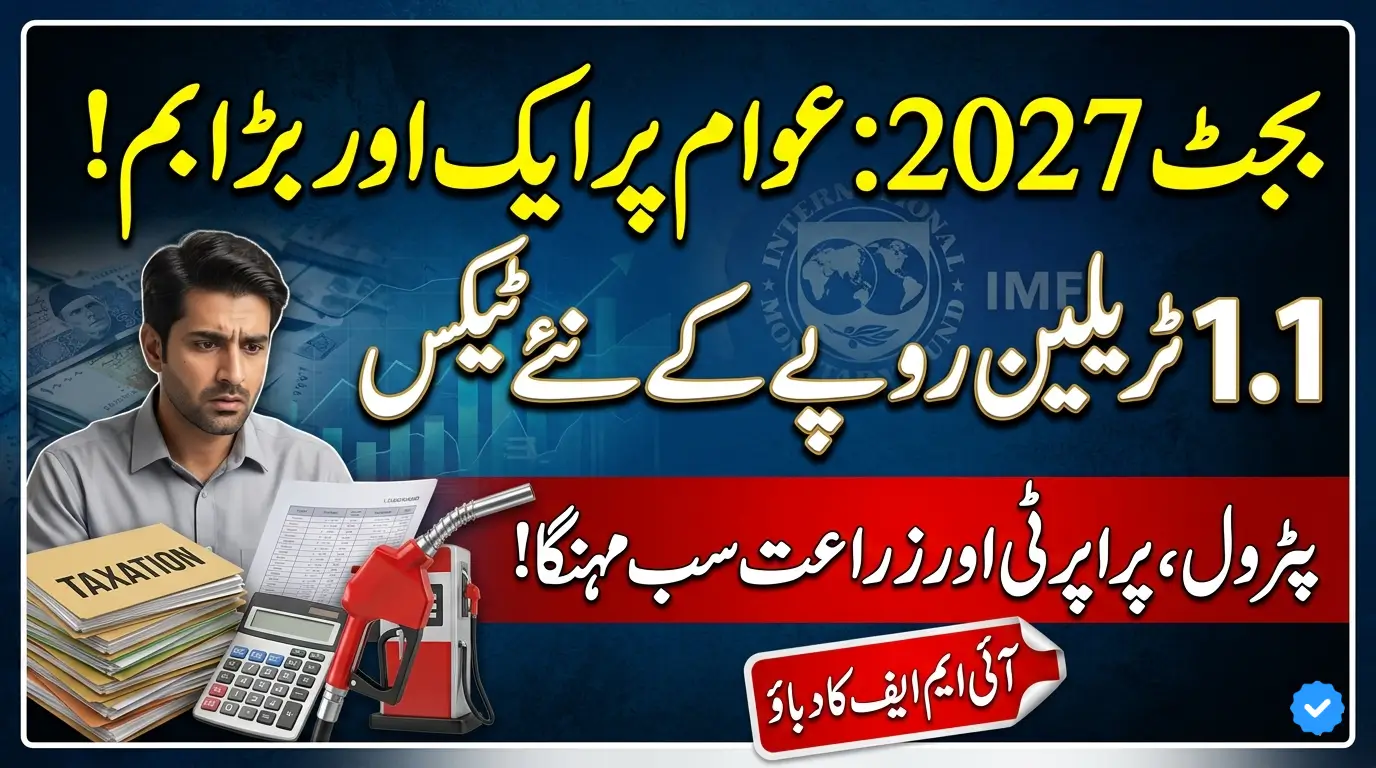
Pakistanis may face over Rs. 1.1 trillion in new taxes and revenue measures in the upcoming fiscal year 2027 as the government works to meet financial targets linked to the International Monetary Fund (IMF). According to reports, both federal and provincial governments are expected to increase tax collection to strengthen the country’s financial position and reduce budget pressure. These measures are part of broader economic reforms aimed at improving fiscal discipline.
India Petrol and Diesel Price Increase 2026 After Four Years – Full Impact
The government believes that increasing revenue is necessary to maintain economic stability and continue the IMF program. Officials are focusing on expanding the tax base, improving tax collection, and increasing petroleum levy income. However, concerns remain about how these new taxes may affect ordinary citizens already dealing with inflation and rising living costs.
Provinces Asked to Generate More Revenue
The federal government has reportedly asked all four provinces to raise more than Rs. 400 billion in additional taxes during FY2027. This target is part of commitments made under IMF reforms to improve Pakistan’s economic performance and reduce dependence on loans.
According to reports, Sindh may be expected to generate nearly Rs. 200 billion in additional taxes, while Punjab could raise around Rs. 175 billion. Khyber Pakhtunkhwa has reportedly been assigned a target of Rs. 45 billion, while Balochistan may collect nearly Rs. 20 billion through various taxation measures.
Federal Government’s Revenue Target
Apart from provincial collections, the federal government is also expected to generate around Rs. 430 billion through new taxes and stronger enforcement measures. Authorities may focus on identifying non-filers, improving tax systems, and increasing compliance among businesses and individuals.
The Federal Board of Revenue (FBR) has reportedly started sharing tax return information with provincial governments to improve enforcement and reduce tax evasion. Officials believe this coordination may help expand the tax net and improve revenue collection across multiple sectors.
KP Announces Summer Vacations for Schools in 2026: Full Details
Petroleum Levy Could Increase Further
The government is also planning to collect more revenue through petroleum levies. Reports suggest that petroleum levy collections could contribute around Rs. 260 billion in additional revenue during FY2027.
The IMF has reportedly set a petroleum levy collection target of around Rs. 1.727 trillion for the next fiscal year, which is significantly higher than the current target. Since fuel costs directly affect transportation and production expenses, many experts believe higher petroleum levies may increase inflationary pressure.
Agriculture and Property Sectors Under Focus
The IMF has encouraged Pakistan to improve tax collection from under-taxed sectors, especially agriculture and real estate. Agriculture contributes nearly one-quarter of Pakistan’s economic output, yet the sector currently pays very limited taxes according to financial assessments.
Provincial governments may increase collections through agriculture income tax, property taxes, stamp duties, registration fees, and sales tax on services. Authorities believe stronger taxation in these sectors could improve government revenue without placing all financial pressure on salaried individuals.
Islamabad Administration Temporarily Eases Early Closure Rules
Punjab and Sindh Expected to Improve Tax Systems
Punjab has reportedly informed federal authorities that it plans to expand sales tax on services coverage to around 40 major cities. This step may help improve tax collection from businesses and service providers operating in different urban areas.
Meanwhile, the federal government has urged Sindh to improve tax collection from the agriculture and real estate sectors. Officials believe better enforcement and stronger monitoring systems may help provinces meet their assigned targets.
How These Taxes Could Affect Citizens
If new tax measures are introduced, ordinary Pakistanis may face higher expenses in daily life. Increased fuel levies, service taxes, and property-related charges may raise the cost of transportation, goods, and household expenses.
Businesses may transfer additional costs to consumers, leading to higher prices in markets. Families already struggling with inflation may feel greater financial pressure if living costs continue rising in the coming months.
Pakistan’s Current Account Deficit Worsens by 2,600% in April
Government’s Goal for Economic Stability
The government says these measures are necessary to maintain economic stability and continue financial reforms agreed under the IMF program. Pakistan is reportedly aiming to achieve a primary budget surplus target of 2 percent of GDP in FY2027.
Officials have also assured the IMF that provinces will avoid financial decisions that could weaken reform commitments. Authorities believe stronger tax collection may help stabilize the economy and reduce financial risks in the future.
FAQs
1. Why is Pakistan introducing new taxes in FY2027?
Pakistan plans to increase taxes to meet IMF commitments and improve government revenue collection.
2. How much new revenue is expected?
The government may collect over Rs. 1.1 trillion through federal taxes, provincial taxes, and petroleum levies.
3. Which provinces will collect more taxes?
Sindh, Punjab, Khyber Pakhtunkhwa, and Balochistan have all been given separate tax collection targets.
4. Which sectors may face higher taxes?
Agriculture, real estate, fuel, and service sectors may face increased taxation.
5. Will inflation increase because of these taxes?
Higher fuel and service costs may increase inflation and raise household expenses.
Final Word
The Pakistan New Taxes Budget 2027 may bring major financial changes as the government works to meet IMF-linked targets and improve economic stability. While officials believe stronger tax collection is necessary for long-term recovery, many citizens remain concerned about rising inflation and increasing daily expenses. The coming budget will likely play an important role in shaping Pakistan’s economic future.
Oil Crosses $111 After Mysterious Drone Attacks on UAE and Saudi Arabia