
Why India Increased Fuel Prices Again
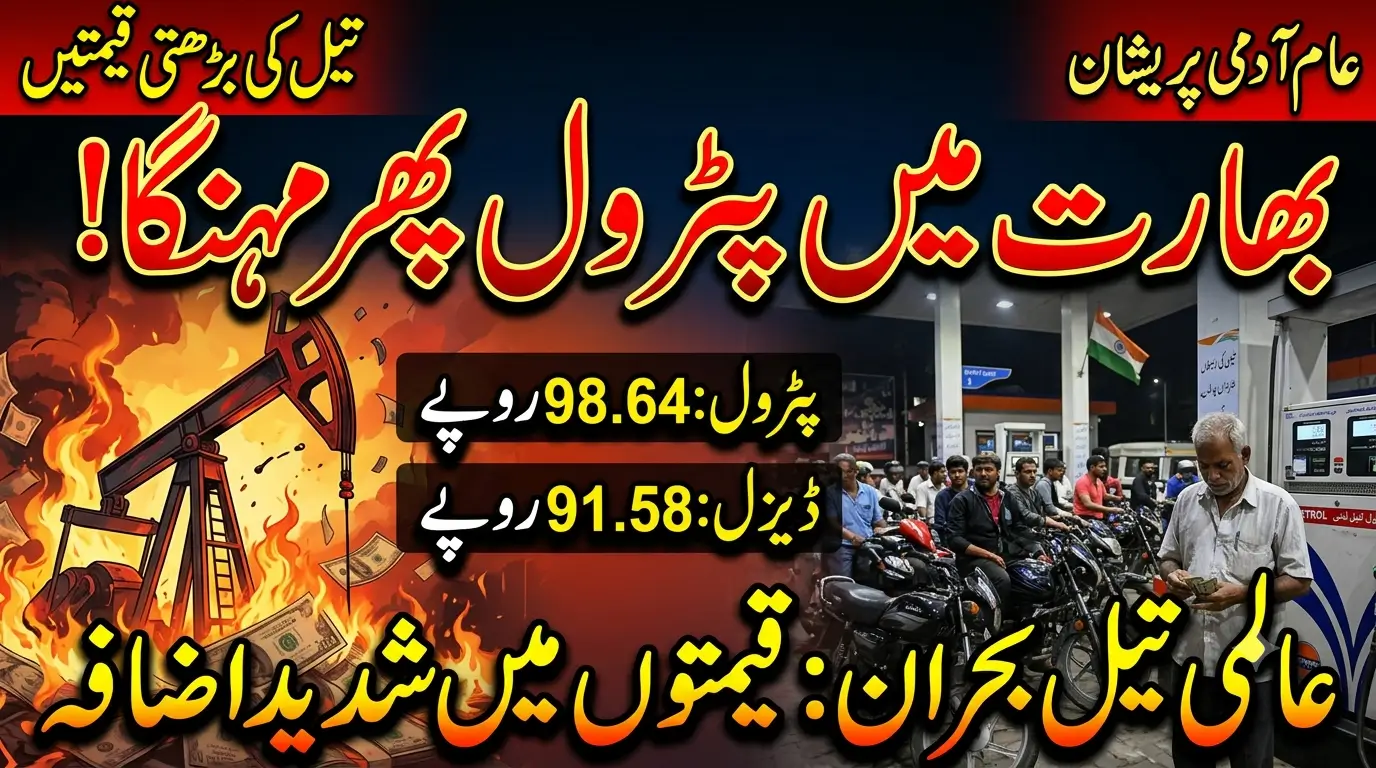
India has raised petrol and diesel prices for the second time in less than a week, creating concern among citizens and businesses. The latest increase comes as global crude oil prices continue to rise due to tensions involving Iran and growing instability in the Middle East. Higher international oil prices have put pressure on fuel-importing countries, especially those heavily dependent on foreign energy supplies. As a result, Indian authorities approved another rise in fuel prices to reduce financial pressure on state-owned oil companies.
KP Announces Summer Vacations for Schools in 2026: Full Details and
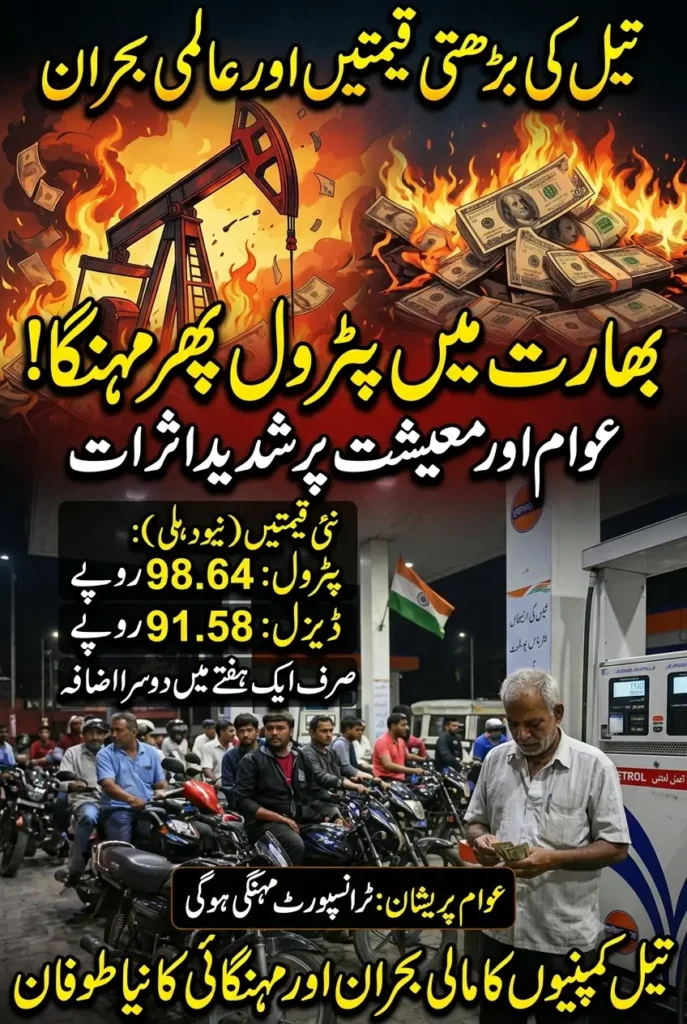
In New Delhi, petrol prices increased to around 98.64 Indian rupees per liter, while diesel prices reached approximately 91.58 rupees per liter. Although the increase may seem small, repeated price hikes in a short period can significantly affect daily expenses for ordinary people. Transportation costs, delivery charges, and fuel-dependent industries are likely to feel the impact quickly.
Impact of Global Crude Oil Prices
The rise in fuel prices in India is closely linked to increasing global crude oil costs. International oil markets have experienced instability due to ongoing geopolitical tensions, especially concerns related to Iran and shipping disruptions in important trade routes. When oil prices rise globally, countries that import oil usually face higher expenses, which often lead to increased fuel prices for consumers.
Energy experts believe that if tensions continue, oil prices could remain unstable for a longer period. This situation may create further economic pressure on countries like India, where fuel demand remains high. Businesses that rely heavily on transportation may also face increased operational costs, which could eventually raise the prices of everyday products.
Pressure on State-Owned Oil Companies
Indian state-owned fuel companies, including major refiners, have reportedly been facing financial losses due to rising crude oil prices. Even after recent fuel price increases, many companies are still struggling to cover operational costs. Reports suggest that refiners have been losing billions of rupees daily because fuel prices had remained stable for years despite changes in international oil markets.
The government has not announced any major financial support package for these companies. This means fuel retailers may continue adjusting prices if global crude oil costs remain high. Without government assistance, oil companies could face increasing financial challenges, affecting long-term fuel pricing policies.
Islamabad Administration Temporarily Eases Early Closure Rules for
Effects on Common Citizens
Fuel price increases often affect ordinary citizens more than large businesses. People who travel daily using private vehicles may see a noticeable rise in transportation expenses. Taxi services, buses, and delivery companies may also increase fares, indirectly affecting household budgets.
In addition, rising fuel costs usually impact food prices and other essential goods because transportation becomes more expensive. Families already managing inflation may find it difficult to adjust to additional increases in everyday living costs. This is why fuel pricing decisions often become a major public concern.
Economic Impact on India
Higher fuel prices can influence the overall economy in several ways. Inflation may rise because transport and manufacturing costs increase. Businesses may transfer these extra expenses to customers, making products more expensive. Industries that rely heavily on logistics and transportation could experience slower growth if fuel prices continue climbing.
At the same time, the government must balance economic stability and financial sustainability. Keeping fuel prices low can create pressure on oil companies, while raising prices may increase public dissatisfaction. Policymakers often face difficult decisions during periods of global energy uncertainty.
Could Fuel Prices Rise Further?
Experts believe that fuel prices may continue rising if global oil markets remain unstable. Much depends on developments in the Middle East and international crude oil supplies. If tensions reduce and supply chains stabilize, prices could become steady again. However, if conflicts intensify, further increases may become unavoidable.
Consumers and businesses are now closely watching market trends and government decisions. Many people hope for stability in fuel costs because repeated increases can affect both personal finances and economic growth.
Pakistan’s Current Account Deficit Worsens by 2,600% in April
FAQs
1. Why did India increase petrol and diesel prices?
India increased fuel prices because global crude oil prices have risen due to Middle East tensions and supply concerns.
2. How much are petrol and diesel prices now?
In New Delhi, petrol costs around 98.64 rupees per liter, while diesel costs about 91.58 rupees per liter.
3. Why are global oil prices rising?
Oil prices are increasing mainly because of geopolitical tensions involving Iran and concerns over disruptions in oil transportation routes.
4. Will fuel prices increase again?
If international crude oil prices remain high, India may increase fuel prices again in the future.
5. How do higher fuel prices affect people?
Higher fuel costs can increase transportation expenses, product prices, and overall living costs.
Final Thought
India’s latest fuel price increase reflects the growing influence of global events on national economies. Rising crude oil prices and regional conflicts are creating financial pressure on governments, businesses, and citizens alike. While authorities aim to manage economic stability, ordinary people may continue facing higher expenses if fuel prices remain unstable in the coming weeks.
Oil Crosses $111 After Mysterious Drone Attacks on UAE and Saudi Arabia