
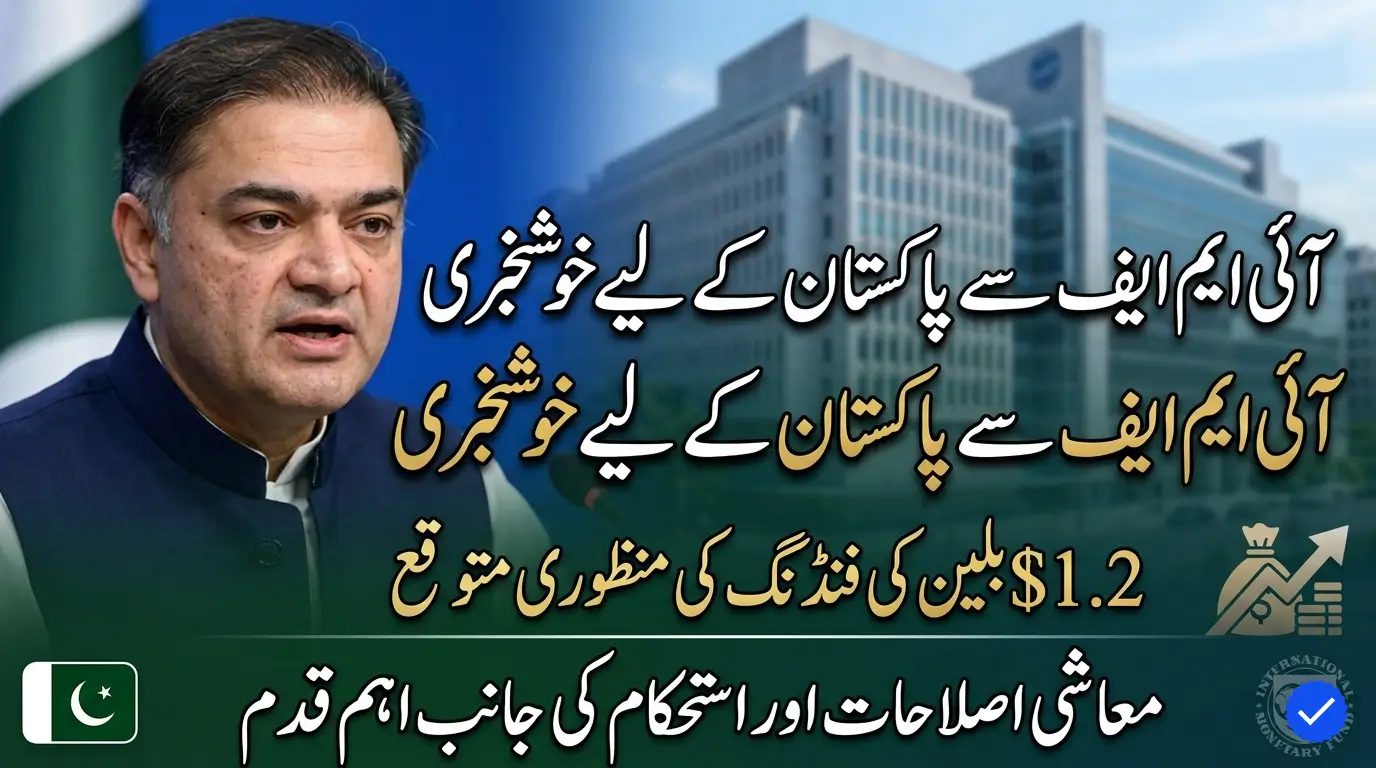
Pakistan is ожидаing a significant financial boost as the International Monetary Fund prepares to review and potentially approve a Staff-Level Agreement that could unlock approximately $1.2 billion in funding. This development is seen as a crucial step in supporting the country’s ongoing economic stabilization efforts and maintaining financial discipline under international oversight.
Iran President Rejects Trump’s Demand to Give Up Nuclear Program

According to sources, the IMF Executive Board is expected to take up Pakistan’s case in May 2026. Once approved, the funds will likely be transferred to the State Bank of Pakistan, providing much-needed support to foreign exchange reserves and strengthening overall economic confidence.
Background of the IMF Agreement
The Staff-Level Agreement was reached on March 28 following the successful completion of key program reviews. These included the third review under the Extended Fund Facility and the second review under the Resilience and Sustainability Facility. Both programs are designed to help Pakistan address structural economic challenges while promoting sustainable growth.
The Extended Fund Facility, in particular, focuses on long-term reforms aimed at improving fiscal management, reducing public debt, and enhancing economic governance. The Resilience and Sustainability Facility complements these efforts by addressing climate-related vulnerabilities and promoting sustainable development policies.
Role of Finance Minister in Global Engagements
Pakistan’s Finance Minister, Muhammad Aurangzeb, has been actively engaged in discussions with global financial institutions. During his visit to Washington, he participated in the Spring Meetings of the World Bank and the IMF, where he held detailed talks with key stakeholders.
These discussions focused on Pakistan’s progress in implementing economic reforms, improving fiscal discipline, and managing external financing needs. The meetings also provided an opportunity to strengthen relationships with international partners and build confidence among investors and lenders.
PTA Tax Reduction on Mobile Phones Likely in Budget 2026-27
Economic Reforms and Stabilization Efforts
Pakistan has undertaken a series of reforms as part of its commitment under the IMF program. These include measures to increase tax revenues, reduce unnecessary expenditures, and improve transparency in financial systems. The government has also worked to stabilize the currency and control inflation, both of which are critical for long-term economic health.
The IMF has acknowledged these efforts, although it continues to emphasize the importance of consistent policy implementation. Successful completion of program reviews indicates that Pakistan is on the right track, but sustained commitment will be necessary to achieve lasting stability.
Challenges and External Pressures
Despite progress, Pakistan’s economy continues to face several challenges. These include external debt obligations, fluctuating exchange rates, and global economic uncertainties. Regional tensions have also impacted the pace of negotiations, with some IMF engagements shifting to virtual platforms earlier this year.
Additionally, the country must navigate the complexities of balancing economic reforms with public expectations. Measures such as subsidy reductions and tax increases can be politically sensitive, requiring careful management by policymakers.
Govt Pays Rs. 38 Billion to Keep Petrol Prices Stable
Upcoming IMF Review and Fund Disbursement
The expected IMF Board meeting in mid-May will be a critical moment for Pakistan. Approval of the Staff-Level Agreement will pave the way for the release of the next tranche of funds, reinforcing the country’s financial position.
Disbursements under IMF programs are typically released in stages, subject to performance reviews and compliance with agreed conditions. This approach ensures accountability and encourages continued reform efforts.
Future Outlook and Policy Direction
Looking ahead, Pakistan’s current IMF program is scheduled to continue through 2027. However, officials have indicated that no final decision has been made regarding a new program after the current arrangement concludes. Internal consultations are ongoing to assess future financial needs and policy priorities.
The government is also focusing on improving investment conditions, strengthening regulatory frameworks, and enhancing cooperation in key sectors such as energy and minerals. These efforts aim to create a more resilient and diversified economy capable of withstanding external shocks.
Pakistan Embassy in Muscat Announces Job Openings for Temporary Positions
International Cooperation and Strategic Partnerships
During his visit to Washington, the finance minister also met with officials from the United States, United Kingdom, and Japan, as well as representatives from credit rating agencies. These engagements highlight Pakistan’s efforts to build strong international partnerships and attract foreign investment.
Discussions covered a wide range of topics, including macroeconomic stability, regulatory improvements, and financial transparency. Strengthening these areas is essential for gaining the trust of global investors and ensuring sustainable economic growth.
FAQs
1. What is the IMF and why is it important for Pakistan?
The IMF is an international financial institution that provides financial assistance and policy advice to countries facing economic challenges.
2. How much funding is Pakistan expected to receive?
Pakistan is likely to receive around $1.2 billion after IMF Board approval.
3. What is the Extended Fund Facility?
It is an IMF program designed to support countries in implementing long-term economic reforms.
4. When will the IMF Board review take place?
The review is expected to take place in May 2026.
5. Will Pakistan seek another IMF program in the future?
No final decision has been made yet, as consultations are still ongoing.
Has Iran Decided to Transfer Its Uranium Stockpile to Pakistan
Final Words
The anticipated approval of IMF funding represents a significant milestone for Pakistan’s economic recovery journey. While challenges remain, the country’s commitment to reforms and international cooperation offers a positive outlook. Continued progress will depend on consistent policy implementation and the ability to adapt to evolving global economic conditions.