
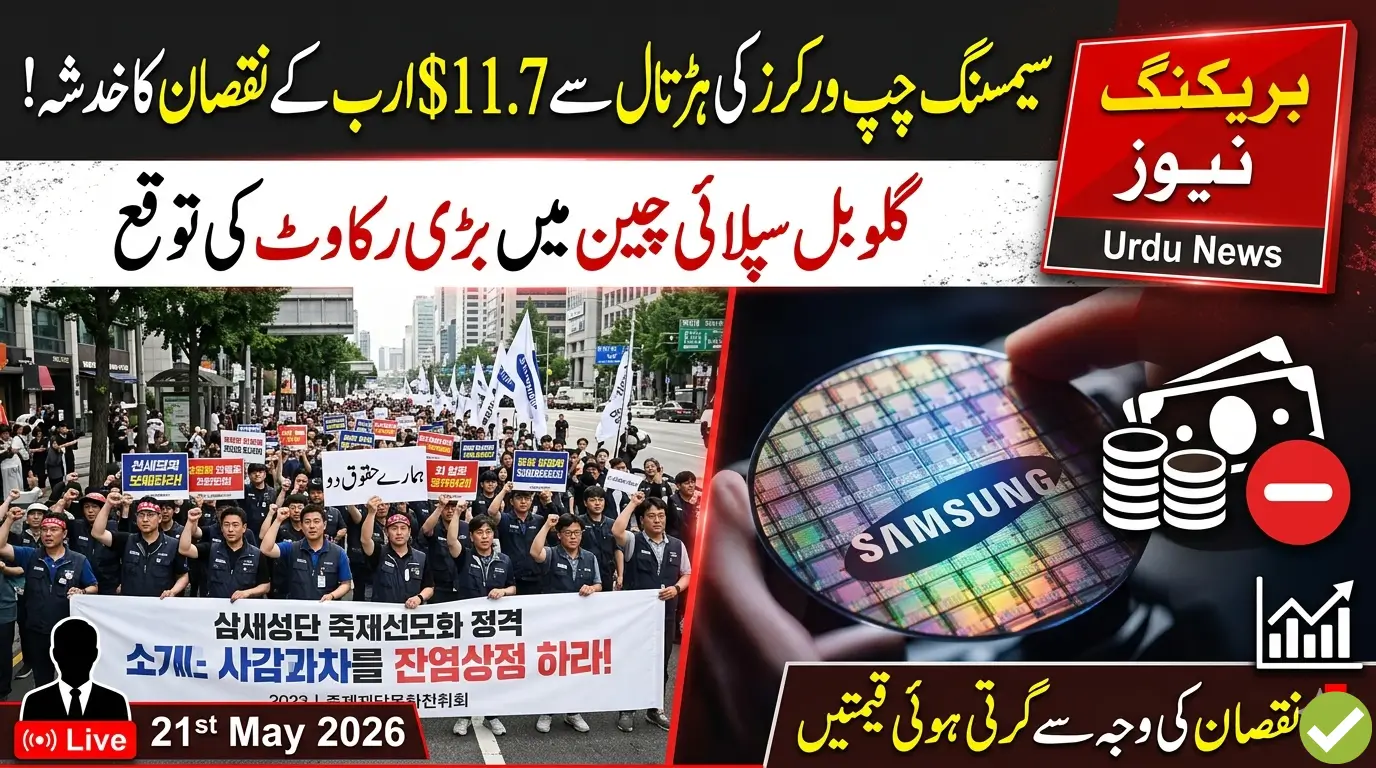
Samsung Chip Workers Strike Could Cost
Workers at Samsung Electronics’ semiconductor division have launched a strike over disputes related to unpaid overtime and bonus payments. According to estimates reported by international media, a full-scale strike could cost the company between $6.9 billion and $11.7 billion in direct losses. This situation has raised serious concerns about potential disruptions in the global semiconductor supply chain, as Samsung is one of the world’s leading chip manufacturers.
Sindh Announces Early Salaries Pensions Ahead of Eid ul Adha
The strike highlights growing tensions between employees and management, particularly regarding compensation structures. Workers argue that their contributions to the company’s profitability are not being fairly rewarded, especially in comparison to competitors. As the strike continues, industry analysts are closely monitoring its potential financial and operational impact on Samsung and the broader tech market.
Progress in Negotiations Between Management and Workers
Despite the ongoing strike, there have been signs of progress in negotiations between Samsung management and employees in the Memory division. Reports suggest that both sides are working toward a compromise, particularly regarding bonus payments and wage adjustments. These discussions are seen as a positive step toward resolving the dispute before it escalates further.
Samsung management has reportedly agreed to formalize worker bonuses for a period of three years, with the possibility of making the system permanent afterward. This proposal aims to provide stability and predictability for employees while giving the company time to evaluate long-term financial implications. However, the agreement has not yet fully satisfied union representatives.
Background of the Dispute and Worker Demands
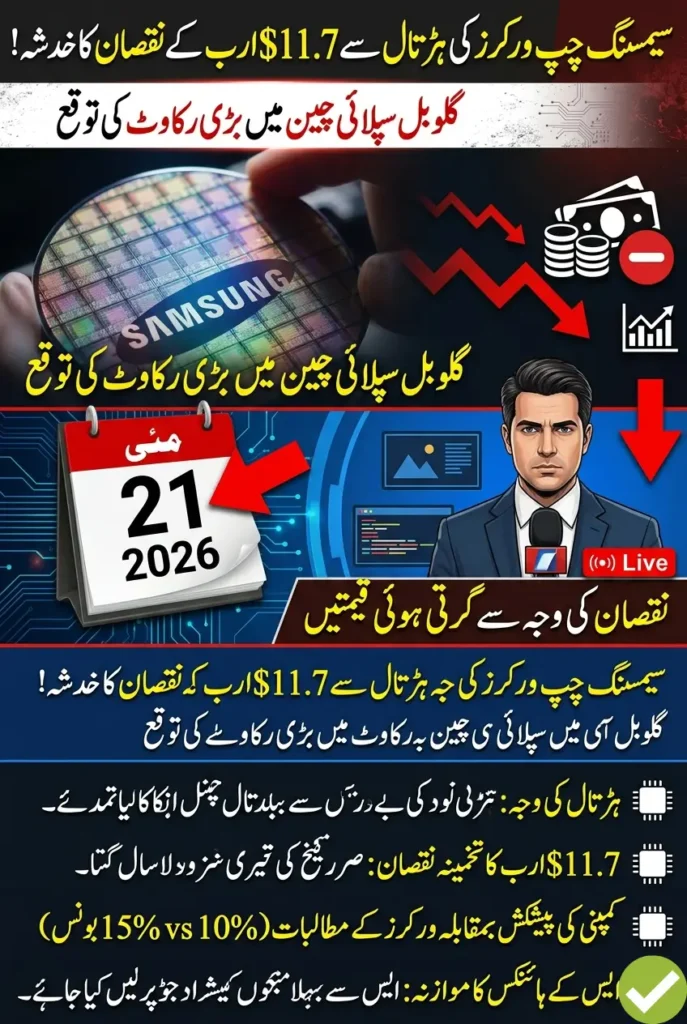
The conflict began earlier this year when workers staged protests in April, demanding bonuses equal to 15% of the semiconductor division’s operating profit. Employees argued that their compensation does not reflect the company’s strong financial performance, particularly during periods of high demand for memory chips.
In addition to higher bonuses, the union has called for annual wage increases and the removal of bonus caps. Workers believe these changes are necessary to ensure fair compensation and to align Samsung’s policies with industry standards. The demands have gained significant support among employees, increasing pressure on management to respond.
Petrol Prices in Pakistan Jump 64% After Three Months of US-Iran War
Management’s Counteroffer and Key Differences
Samsung management has responded with a counteroffer that includes a 10% bonus based on operating profit and a 6.2% salary increase. While this proposal represents a significant financial commitment, it falls short of the union’s expectations. Earlier discussions had brought both sides close to a 13% bonus agreement, but disagreements over making the arrangement permanent stalled progress.
The gap between the two sides remains a major obstacle. Workers have emphasized the importance of long-term guarantees, while management appears cautious about committing to permanent changes that could affect future profitability. This difference in priorities continues to shape the negotiations.
Comparison with Rival SK hynix
One of the key issues raised by workers is the comparison with rival semiconductor company SK hynix. Employees claim that Samsung’s bonus structure is less competitive, despite the company’s larger market share and stronger global position.
Reports indicate that a 10% operating profit bonus at Samsung could amount to around 35 trillion Korean won ($23 billion), compared to approximately 20 trillion won ($13 billion) paid by SK hynix. This comparison has fueled dissatisfaction among workers, who believe they deserve compensation that reflects Samsung’s leadership in the industry.
Saudi Arabia Provides $2 Billion Support to Strengthen Economy
Ongoing Strike Plans and Union
Despite the latest proposal from management, union members have described the offer as insufficient and divisive. They have urged workers to continue preparing for a potential 18-day general strike starting May 21 if their demands are not met. This indicates that the dispute is far from resolved and could escalate in the coming weeks.
The union is also pushing for the permanent institutionalization of the bonus system to ensure equal payouts across all business units. This would eliminate the need for repeated negotiations and provide long-term security for employees. However, achieving this goal will require further compromise from both sides.
Impact on Samsung’s Financial Outlook
The ongoing dispute has already begun to affect market sentiment. Several brokerage firms have reportedly lowered Samsung’s share price targets due to concerns about the financial impact of increased bonus payments and potential production disruptions.
If the strike continues or expands, it could significantly affect Samsung’s operating profits and global supply commitments. As a key player in the semiconductor industry, any disruption in Samsung’s production could have ripple effects across multiple sectors, including consumer electronics, automotive, and data centers.
Punjab Govt Reveals Expected Summer Vacation Dates
FAQS
1. Why are Samsung workers on strike?
Workers are protesting over unpaid overtime, bonus payments, and overall compensation issues.
2. How much could the strike cost Samsung?
The strike could cost between $6.9 billion and $11.7 billion in direct losses.
3. What bonus are workers demanding?
Workers are demanding a bonus equal to 15% of operating profit.
4. What has Samsung management offered?
Management has offered a 10% bonus and a 6.2% salary increase.
5. When could the full strike begin?
An 18-day general strike is planned to start on May 21 if demands are not met.
Final Words
The situation at Samsung highlights the delicate balance between profitability and employee satisfaction. As negotiations continue, both sides must find common ground to avoid long-term damage. A fair and sustainable agreement will be essential not only for Samsung’s stability but also for maintaining confidence in the global semiconductor industry.
Iran Allows Qatari Ship Full of LNG to Clear Hormuz And Head to Pakistan