
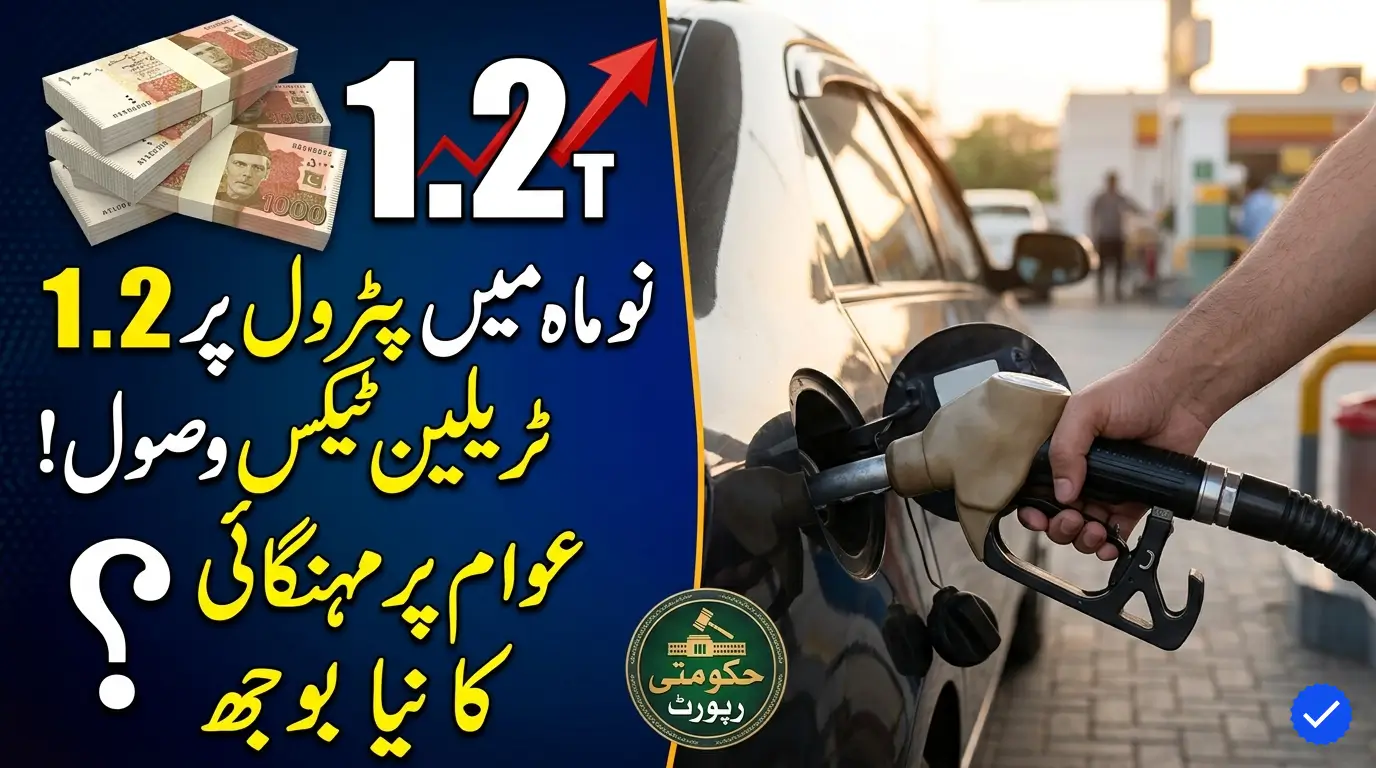
Pakistanis Paid Over Rs. 1.2 Trillion
The government collected more than Rs. 1.2 trillion through petroleum levy during the first nine months of FY26, according to figures presented before the National Assembly. The latest data highlights how fuel taxes have become one of the government’s major revenue sources as authorities work to meet fiscal targets and manage economic pressures.
Pakistan Real Estate Under IMF Review for Weak Transaction Reporting
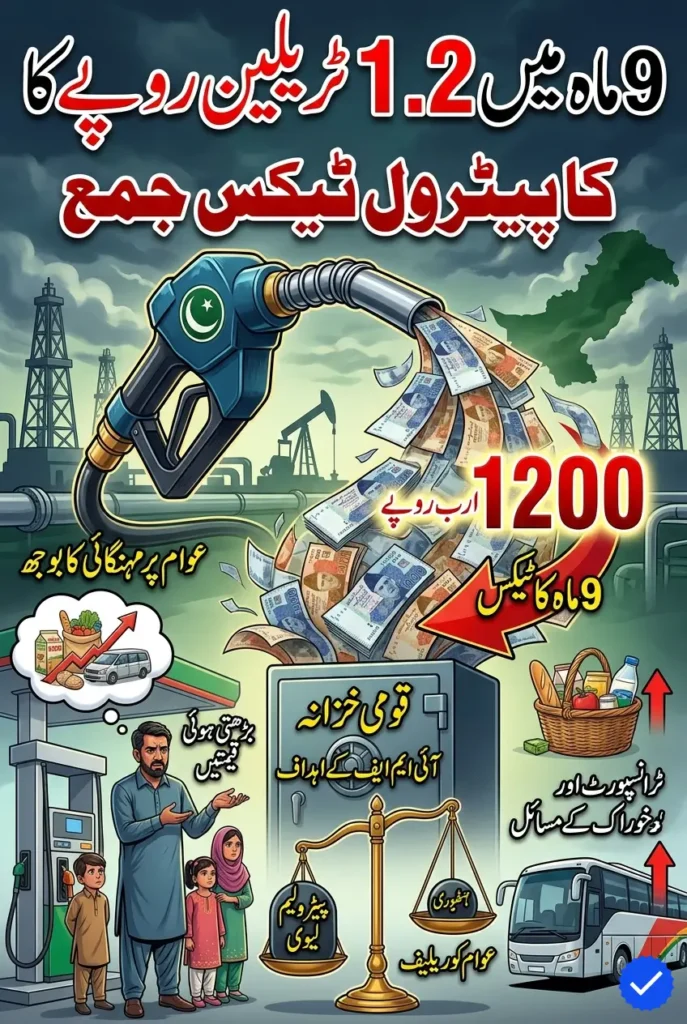
Official details showed that petroleum levy collections reached Rs. 1.205 trillion between July and March. In March alone, consumers paid nearly Rs. 137 billion in fuel taxes, following Rs. 120 billion in February and Rs. 124 billion in January. The numbers indicate that petrol and diesel users continued facing a heavy tax burden throughout the fiscal year.
Government Relies on Fuel Taxes to Meet IMF Targets
Petroleum levy collections remained consistently high during almost every month of the fiscal year. Consumers paid approximately Rs. 145 billion in July, Rs. 115 billion in August, Rs. 111 billion in September, and another Rs. 145 billion in October. The figures climbed further to Rs. 151 billion in November and Rs. 157 billion in December.
The government also generated around Rs. 35 billion under the Climate Support Levy so far, moving toward its annual target. Analysts believe these taxes are part of broader revenue measures connected to commitments under the IMF programme, where Pakistan has been under pressure to improve tax collection and reduce fiscal deficits.
Higher Petrol Taxes Continue to Affect Daily Life
The continuous increase in petroleum levy rates has added financial pressure on ordinary citizens, particularly transporters, businesses, and middle-income households. Rising fuel costs often increase transportation expenses, which can eventually affect food prices and overall inflation across the country.
Recent reports suggest petrol levy rates on fuel products have crossed Rs. 117 per litre after multiple increases introduced in recent months. As international oil markets remain unstable due to Middle East tensions and global supply concerns, consumers may continue facing uncertainty in fuel pricing during the coming months.
Punjab Wheat Procurement Crisis Private Firms Struggle Under New Policy
Rising Fuel Costs Continue to Impact Inflation
Higher petroleum taxes often affect more than just fuel prices, as transportation charges directly influence the cost of goods and services. Experts believe that repeated levy increases may continue contributing to inflationary pressure, particularly at a time when global oil markets remain unstable due to international political tensions and supply concerns.
Many consumers are already feeling the impact through higher travel expenses and increased prices of essential items. Businesses linked to logistics and transportation may also face operational challenges if fuel prices continue rising in the coming months.
Government Increases Dependence on Petroleum Levies
Economic experts believe the government is increasingly relying on petroleum levies to bridge revenue gaps and maintain financial targets. Pakistan has faced ongoing fiscal challenges, including rising debt obligations, budget deficits, and commitments linked to international financial agreements.
Because fuel consumption remains high across the country, petroleum taxes provide a quick and consistent source of income for the national treasury. Officials have repeatedly adjusted levy rates on petrol and diesel in recent months to strengthen revenue collection and support economic management efforts.
Higher Fuel Prices Affect Everyday Living Costs
The rise in petroleum taxes is not only affecting vehicle owners but also influencing the prices of daily-use products and services. Transport costs play a major role in the supply chain, meaning higher fuel prices often lead to increases in food prices, delivery charges, and public transportation fares.
Businesses involved in logistics, agriculture, and manufacturing may also face additional operational expenses. As a result, many consumers continue experiencing inflationary pressure in multiple areas of daily life.
Roshan Gharana Solar Program 2026 Punjab’s Free Solar Panel Scheme Explained
Global Oil Market Uncertainty Adds More Pressure
International oil prices remain unstable due to ongoing geopolitical tensions and supply disruptions in global energy markets. Fluctuations in crude oil prices directly impact fuel pricing in Pakistan, especially when combined with high domestic taxation policies.
Analysts believe that if international oil prices continue rising, local consumers could face even higher petrol and diesel costs in the future. This uncertainty has created concerns among transporters, businesses, and middle-income households already dealing with inflation.
Government Faces Challenge of Balancing Revenue and Relief
While petroleum levies help the government generate important revenue, policymakers also face increasing pressure to provide relief to the public. Rising fuel costs can slow economic activity and reduce purchasing power, particularly for lower and middle-income families.
Experts suggest authorities may need to carefully balance fiscal targets with public affordability. Any future decisions regarding fuel taxation could play a major role in shaping inflation trends and economic stability during the remaining months of the fiscal year.
Future Outlook for Fuel Prices in Pakistan
Fuel prices in Pakistan are likely to remain closely tied to both global oil market trends and domestic tax policies. If international energy markets stabilize, consumers may see some relief in petrol and diesel prices. However, continued fiscal pressure could encourage authorities to maintain high levy rates for revenue purposes.
Citizens and businesses across Pakistan are expected to keep monitoring fuel price announcements, as changes in petroleum levies directly affect transportation, inflation, and overall living costs.
8171 Tracking Portal 2026 Check Your BISP Payment Status Online via CNIC
FAQs
Why did Pakistan collect over Rs. 1.2 trillion in petroleum levy?
The government collected large petroleum levies to increase revenue and support fiscal targets during the current economic situation.
How do fuel taxes affect ordinary citizens?
Higher fuel taxes increase transportation costs, which can also raise prices of food, goods, and public services.
Why are petrol prices rising in Pakistan?
Petrol prices are affected by international oil rates, currency value changes, and domestic taxes such as petroleum levy.
Can fuel taxes impact inflation?
Yes, higher fuel costs often contribute to inflation because transportation expenses influence many sectors of the economy.
Will petrol prices decrease in the future?
Future prices will depend on global oil market conditions and government decisions regarding taxes and petroleum levies.
Final Words
Pakistan’s growing dependence on petroleum taxes shows how important fuel revenues have become for managing the country’s economic challenges. While these collections help the government achieve revenue targets and IMF commitments, higher fuel taxes also increase pressure on inflation and household expenses. In the months ahead, balancing economic stability with public relief may remain one of the government’s biggest financial challenges.
8171 PMT Score Check Online by CNIC – Eligibility Status & Full Guide