
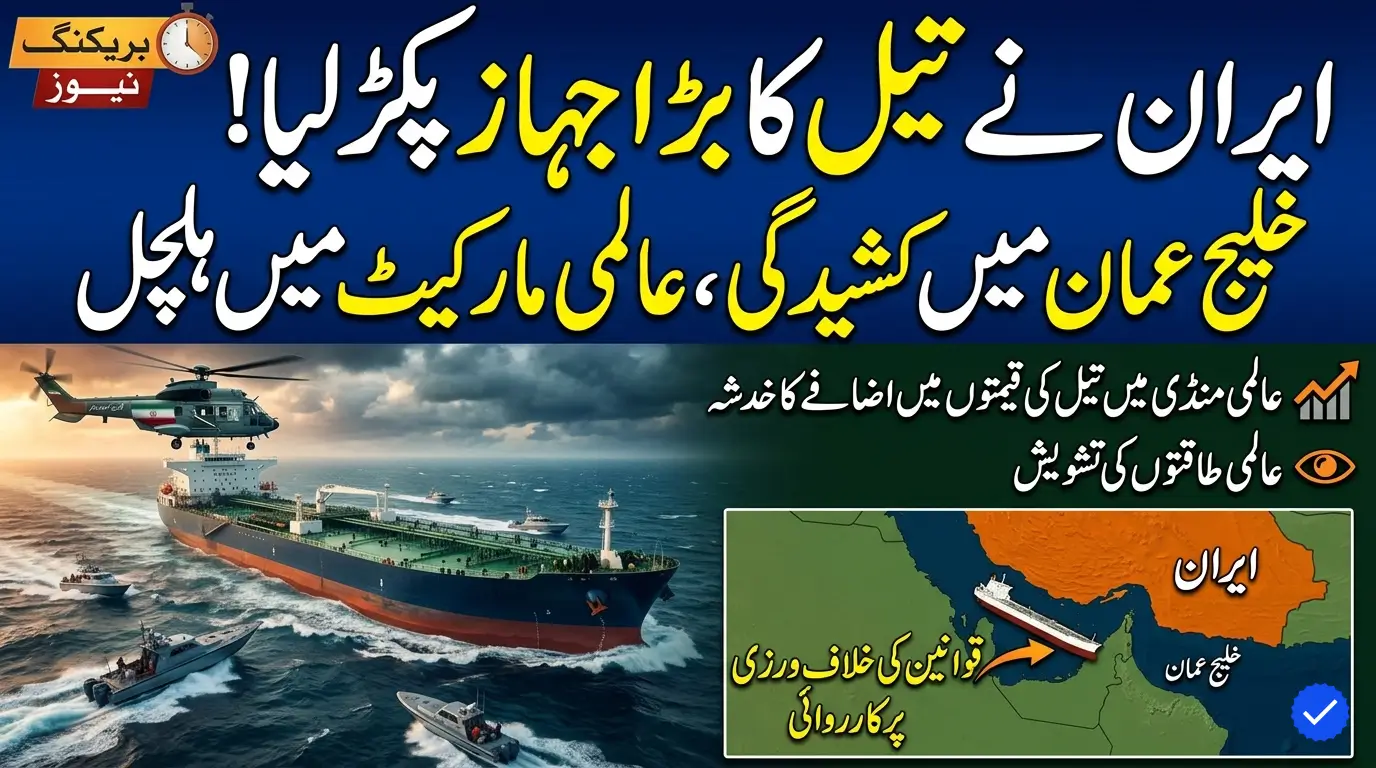
Iran Claims to Have Seized
Tensions in the Middle East have once again intensified after Iran claimed that it seized an “offending” oil tanker in the Gulf of Oman. The incident has attracted global attention because the Gulf of Oman is considered one of the world’s most important routes for international oil trade and maritime transportation.
Hackers Inside Banking Systems Says Court as Bank Told to Pay Rs. 15 Lac
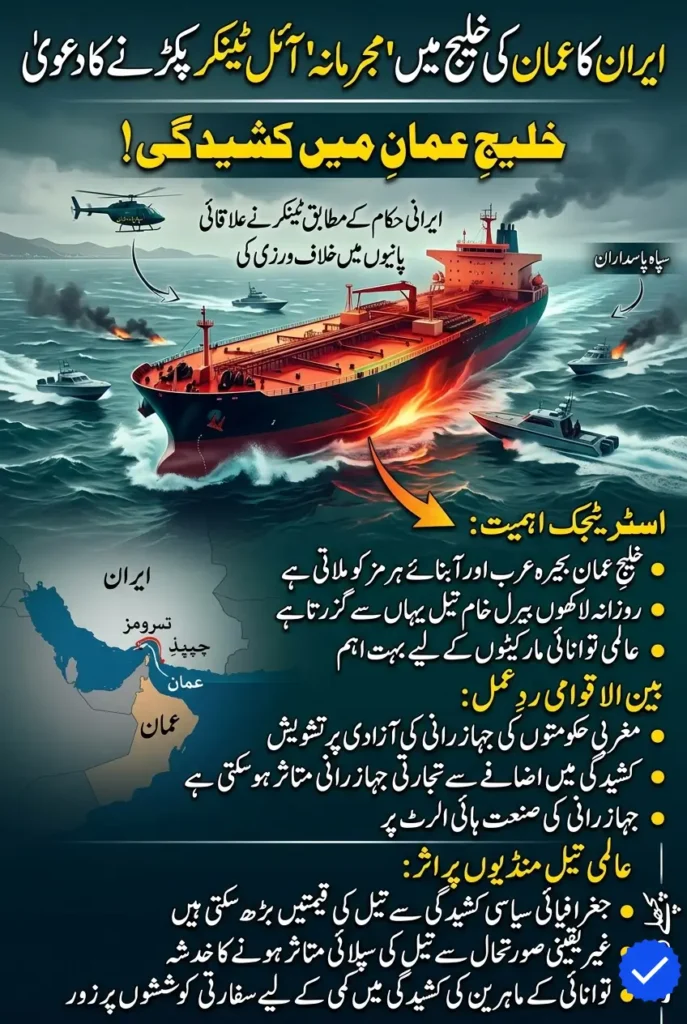
According to Iranian authorities, the tanker was detained due to alleged violations and suspicious activities in regional waters. However, details regarding the exact nature of the violation remain limited, while international observers continue monitoring the situation closely.
Strategic Importance of the Gulf of Oman
The Gulf of Oman connects the Arabian Sea with the Strait of Hormuz, which is one of the busiest oil shipping routes in the world. Millions of barrels of crude oil pass through this region every day, making it highly important for global energy markets.
Any disruption in this area can directly impact oil prices, shipping operations, and international trade. Because of this strategic significance, incidents involving tankers or naval forces often create immediate concern among governments and investors worldwide.
Iran’s Statement on the Tanker Seizure
Iranian officials stated that the oil tanker was seized for violating maritime regulations and engaging in activities considered unlawful by Iranian authorities. State media described the vessel as “offending,” although full operational details have not yet been disclosed publicly.
Iran has previously taken similar actions against foreign vessels in regional waters, especially during periods of increased political and military tension. Iranian authorities maintain that such actions are necessary to protect national sovereignty and maritime security.
International Reaction to the Incident
The reported seizure has triggered reactions from several countries and international organizations. Western governments have expressed concern over freedom of navigation in international waters and called for transparency regarding the incident.
Shipping companies and maritime security agencies are also closely monitoring developments. Any escalation in tensions could affect commercial shipping activity and insurance costs for vessels operating in the region.
Gold Rate Slips to Rs. 4.7 Lac in Pakistan After Third Consecutive
Impact on Global Oil Markets
News of the tanker seizure quickly influenced international oil markets. Oil prices often rise when geopolitical tensions increase in the Middle East because traders fear possible supply disruptions.
The Gulf region plays a major role in global energy exports, and uncertainty surrounding maritime security can create volatility in crude oil prices. Analysts believe continued instability could lead to higher transportation costs and increased pressure on global fuel markets.
Previous Maritime Incidents in the Region
The Gulf of Oman and the Strait of Hormuz have witnessed multiple maritime incidents over the past several years. These include tanker attacks, ship seizures, drone incidents, and naval confrontations involving regional and international powers.
Many of these incidents have been linked to broader tensions between Iran and Western countries, particularly the United States. Diplomatic disputes, economic sanctions, and regional conflicts have contributed to ongoing instability in the area.
Concerns Over Maritime Security
Maritime security remains a major concern for global powers operating in the Gulf region. International shipping lanes are vital for trade, and any threat to commercial vessels can have widespread economic consequences.
Several countries have increased naval patrols and surveillance operations in recent years to protect shipping routes. Maritime security alliances have also been formed to monitor suspicious activities and prevent attacks on commercial ships.
How to Check the Number of SIMs Issued Against Your CNIC
Possible Diplomatic Consequences
The seizure of the tanker could further complicate diplomatic relations between Iran and other countries. International observers fear that such incidents may increase political tensions and reduce the chances of diplomatic progress in regional disputes.
If the issue escalates, it could result in stronger international criticism, additional sanctions, or increased military presence in the Gulf region. Diplomatic negotiations may play an important role in preventing further escalation.
Shipping Industry on High Alert
The global shipping industry is carefully observing the situation after reports of the tanker seizure. Shipping companies operating near the Gulf of Oman may review security measures and alter routes if tensions continue to rise.
Higher insurance premiums and operational risks can significantly increase shipping costs. This eventually affects global supply chains and may contribute to rising fuel and transportation prices in international markets.
Iran’s Position on Regional Security
Iran has repeatedly stated that it considers itself responsible for maintaining security in nearby waters. Iranian authorities argue that foreign military presence in the Gulf region often increases tensions rather than reducing them.
At the same time, critics accuse Iran of using tanker seizures and maritime pressure as political tools during periods of diplomatic conflict. These opposing viewpoints continue to shape international debate over regional security.
Global Energy Concerns
Energy experts warn that continued instability in the Gulf region could affect global energy supplies. Since many countries rely heavily on Middle Eastern oil exports, any disruption in shipping routes can impact international markets.
Even short-term tensions often create uncertainty among investors and energy companies. Governments around the world closely follow developments in the Gulf to assess potential economic consequences.
NADRA Launches New Website with Maps, Online Verification for CNICs
Media Coverage and Public Attention
The tanker seizure has received widespread media coverage internationally. News organizations continue reporting updates as governments and maritime agencies gather more information about the incident.
Public attention remains focused on whether the situation will remain limited or develop into a broader geopolitical dispute. Many analysts believe diplomatic communication will be essential in reducing tensions.
Final Words
Iran’s claim that it seized an “offending” oil tanker in the Gulf of Oman has once again highlighted the fragile security situation in one of the world’s most critical maritime regions. The incident has raised concerns about shipping safety, global oil supplies, and rising geopolitical tensions in the Middle East.
As international reactions continue to emerge, the coming days may prove important in determining whether the situation remains under control or leads to further diplomatic and economic consequences. Governments, energy markets, and shipping companies are all expected to closely monitor developments in the region.
FAQs
1. Why is the Gulf of Oman important?
The Gulf of Oman connects major international shipping routes and is vital for global oil transportation.
2. Why did Iran seize the oil tanker?
Iran claimed the tanker violated maritime regulations and described it as an “offending” vessel.
3. How can tanker seizures affect oil prices?
Such incidents create uncertainty in energy markets, which can lead to increases in global oil prices.
4. Has this happened before in the region?
Yes, the Gulf region has witnessed several tanker-related incidents and maritime tensions in recent years.
5. What could happen next after the seizure?
Possible outcomes include diplomatic negotiations international pressure, or increased maritime security operations in the region.
How to Get NADRA Tracking and Verification Service Online