
Govt Could Raise Petrol Prices
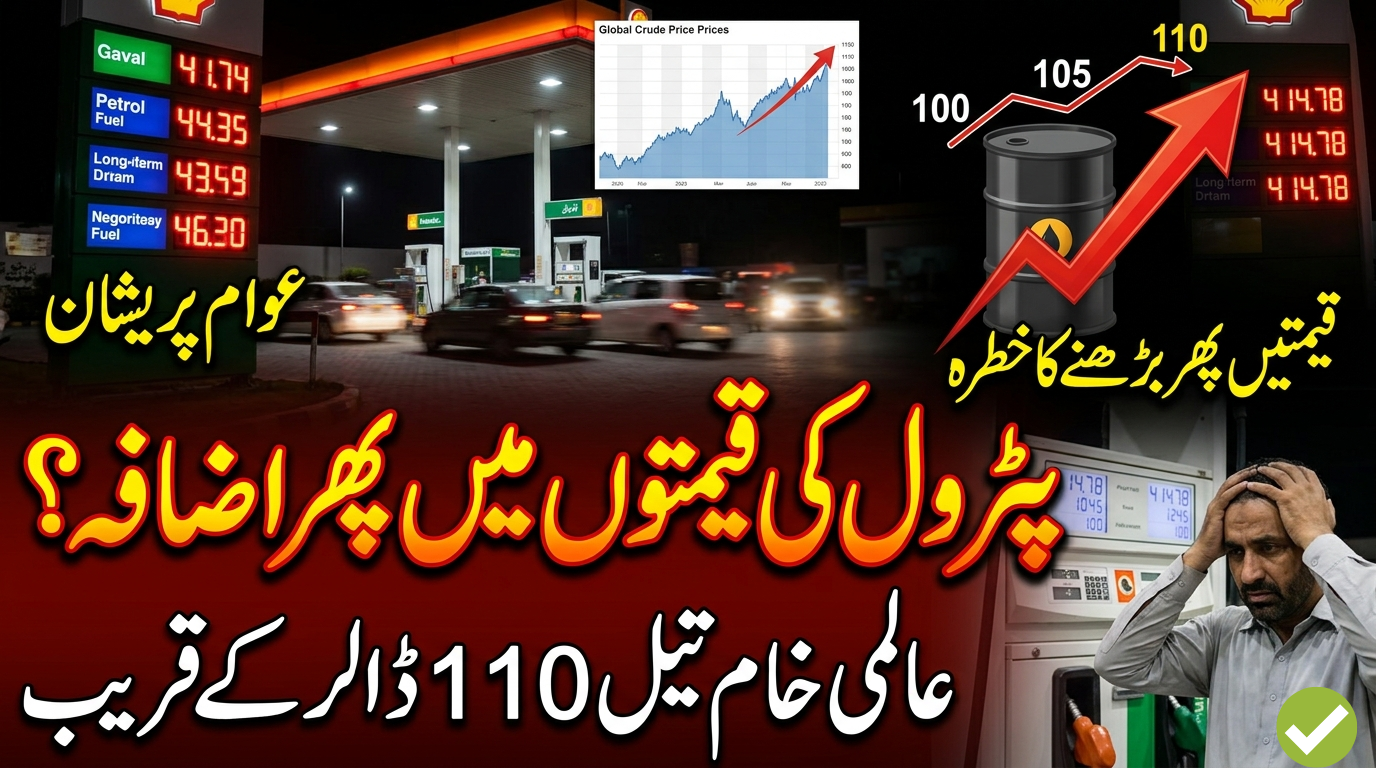
Pakistan may be heading toward another increase in petrol and diesel prices as global crude oil markets continue to surge. The federal government is expected to review fuel prices later this week, and rising international benchmarks could lead to another hike. This comes just days after a significant increase in fuel prices, which has already put pressure on consumers and businesses across the country.
Govt Announces Advance Salaries Pensions Ahead of Eid-ul-Azha 2026
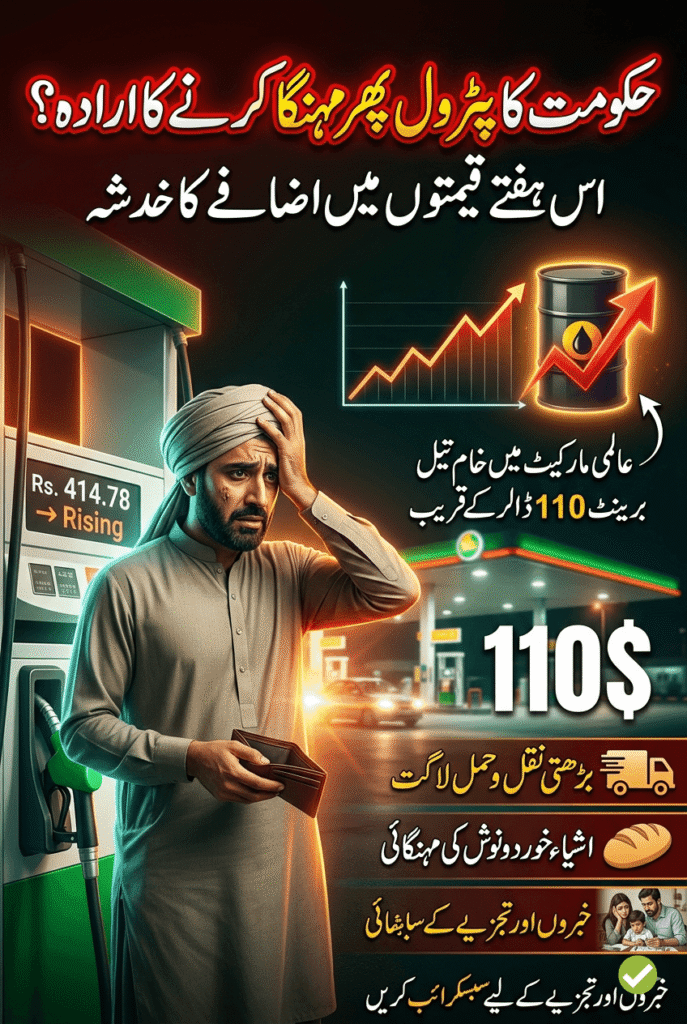
The recent rise in global oil prices has been largely driven by geopolitical tensions and supply concerns. Brent crude has moved close to $110 per barrel, while West Texas Intermediate (WTI) has also crossed the $100 mark. Analysts attribute this surge to ongoing instability in the Middle East and policy decisions by major global powers, which have disrupted supply chains and pushed prices higher.
Impact of Global Oil Trends on Pakistan
Pakistan heavily depends on imported fuel, which makes its economy highly sensitive to international oil price fluctuations. When global prices rise, the government often passes on the impact to local consumers through increased petrol and diesel rates.
This situation creates a chain reaction across the economy. Higher fuel prices lead to increased transportation costs, which in turn raise the prices of essential goods, including food and daily necessities. As a result, inflation rises, affecting households already struggling with high living costs.
Recent Fuel Price Hike Adds Pressure
Just last week, the government approved a sharp increase in fuel prices. Diesel prices were raised by Rs. 15 per litre, while petrol saw an increase of Rs. 14.92 per litre. This pushed petrol prices to around Rs. 414.78 per litre and diesel to Rs. 414.58 per litre.
Interestingly, the increase came at a time when international prices were not rising significantly. Instead, the government adjusted the petroleum levy, which resulted in higher fuel costs for consumers. This decision has sparked debate among economists and the public.
Pakistan Real Estate Under IMF Review for Weak Transaction Reporting
Possible Price Revision This Week
With global oil prices now climbing again, there is a strong possibility that the government will increase fuel prices in the upcoming review. Officials typically revise prices every fortnight, based on international trends and fiscal requirements.
If prices are raised again, it could further strain the economy. Businesses may increase prices to cover higher transportation costs, while individuals may face increased expenses in their daily lives. This would add to the inflationary pressures already present in the country.
Economic and Social Consequences
Frequent fuel price hikes have a direct impact on economic stability and public sentiment. Rising petrol prices not only increase the cost of living but also affect industrial productivity and business operations.
For low- and middle-income households, the situation becomes even more challenging. A larger portion of their income is spent on basic needs, leaving little room for savings or emergencies. This makes fuel price increases a sensitive issue with wide-reaching consequences.
Government’s Dilemma
The government faces a difficult balancing act between managing fiscal deficits and protecting citizens from rising costs. On one hand, higher fuel prices help increase tax revenue through petroleum levies. On the other hand, they contribute to inflation and public dissatisfaction.
Policy decisions in this area are often influenced by agreements with international financial institutions, economic targets, and currency stability concerns. As a result, fuel pricing remains a complex and politically sensitive issue.
Punjab Wheat Procurement Crisis Private Firms Struggle Under New Policy
Impact on Daily Life and Businesses
Higher fuel prices directly affect the daily lives of citizens. Transportation fares often rise within days, increasing the cost of commuting for workers and students.
Small businesses also feel the impact quickly. Delivery costs, logistics expenses, and production charges all increase, forcing businesses to either absorb losses or pass costs on to customers.
Inflationary Pressure Continues to Build
Fuel price increases play a major role in driving inflation. When petrol and diesel become expensive, the cost of goods transportation rises, leading to higher prices for food and essential items.
This creates a ripple effect across the economy. Even sectors not directly related to fuel eventually experience price hikes due to increased operational costs.
Public Concerns and Expectations
Citizens often expect the government to provide relief during times of rising global prices. However, limited financial resources and international commitments make it difficult to offer subsidies.
As a result, public concern continues to grow, especially among low-income groups who are most affected by price increases.
Roshan Gharana Solar Program 2026 Punjab’s Free Solar Panel Scheme Explained
Need for Long-Term Solutions
Experts believe that Pakistan needs to focus on long-term strategies to reduce dependence on imported fuel. Investment in renewable energy and local resources could help stabilize energy costs in the future.
Without such measures, the country will continue to face repeated cycles of fuel price hikes whenever global markets fluctuate.
Key Facts
- Brent crude is $110 per barrel in global markets.
- WTI crude has crossed $100 per barrel.
- Petrol price in Pakistan is around Rs. 414.78 per litre.
- Diesel price stands at about Rs. 414.58 per litre.
- A new price hike is expected in the upcoming review.
Final Word
Pakistan is once again facing the possibility of rising fuel prices due to global oil market trends. While international factors play a major role, local policy decisions also shape the final impact on consumers. As prices continue to fluctuate, the need for balanced and transparent decision-making becomes increasingly important. For citizens, careful financial planning and awareness will be key in managing the effects of ongoing economic challenges.
8171 Tracking Portal 2026 Check Your BISP Payment Status Online via CNIC