
Govt Assures IMF Electricity And Gas
This commitment comes during ongoing budget negotiations, where authorities presented detailed plans to stabilize the economy and address long-standing inefficiencies in the energy sector. Under the agreed framework, the government will implement a full cost recovery mechanism, meaning any fluctuations in international oil and fuel tariffs.
Here Are New Prices for Toyota Cars After Increase in Taxe
Transparency is being improved by ensuring that circular debt data, particularly in the gas sector is published regularly. Furthermore, Pakistan plans to privatize major power distribution companies such as Faisalabad Electric Supply Company to enhance efficiency and reduce losses. While these reforms aim to create a financially sustainable energy sector in the long run, they are likely to increase the cost of living and add pressure short term.
Full Cost Recovery Model Explained
The full cost recovery model is central to Pakistan’s agreement with the IMF. Under this system, the government will no longer absorb the financial burden caused by rising global energy prices. Instead, consumers will pay the actual cost of electricity and gas production, transmission, and distribution. This approach is intended to eliminate subsidies that distort the market and contribute to circular debt. Although it promotes financial discipline it also means that energy prices will remain volatile and closely tied to international market movements.
Regular Tariff Adjustments and Their Impact
To maintain alignment with global prices, electricity tariffs will be revised every quarter, while fuel charges will be adjusted monthly. These regular updates are designed to prevent delays that previously led to financial imbalances in the energy sector. However, for consumers, this means less predictability in utility bills challenging. Businesses especially small and medium enterprises, may face higher operational costs, potentially affecting productivity and economic growth.
Govt Announces Small Relief in Petrol and Diesel Prices
Protection for Low-Income Consumers
Despite these increases, the government has emphasized that protected consumers will continue to receive support. These typically include low-income households with limited electricity usage. Subsidies will be targeted to ensure that the most vulnerable segments of society are not severely impacted. However, the scope of these protections is limited, and the majority of consumers will still bear the brunt of rising costs.
Circular Debt and Structural Reforms
Circular debt has remained one of Pakistan’s biggest economic challenges, particularly in the energy sector. By setting a cap on its annual growth and improving transparency, the government aims to gradually reduce this burden. Publishing quarterly data on gas sector circular debt is a step toward greater accountability. Additionally, resolving disputes with IPPs will help stabilize financial flows within the sector.
Gold Rate Loses Nearly Rs. 16,000 in Pakistan After Massive Crash Today
Privatization and Future Outlook
The planned privatization of major power distribution companies is another key reform aimed at improving efficiency and reducing losses. By transferring control to the private sector, the government hopes to enhance service delivery and reduce corruption and inefficiencies. While these steps may lead to long-term benefits, their success will depend on effective implementation and regulatory oversight.
Key Facts
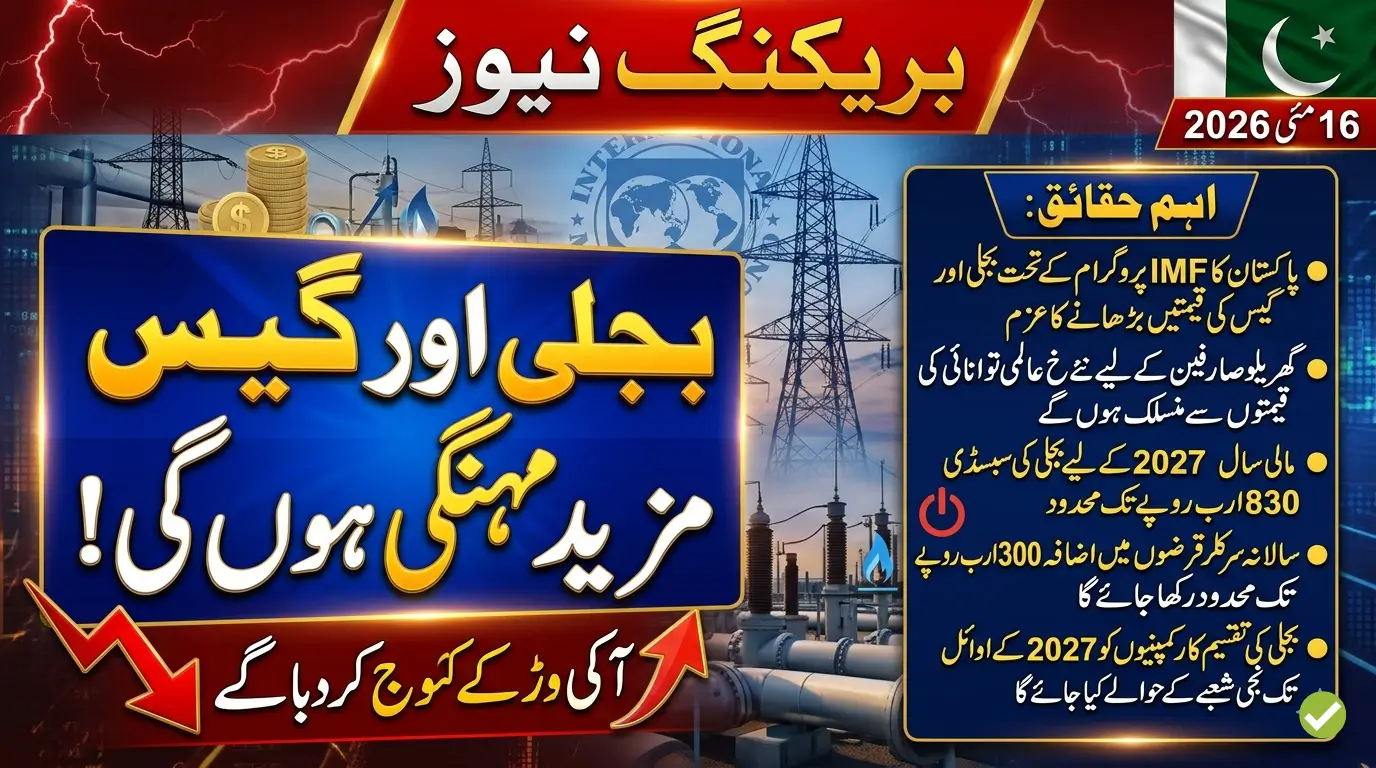
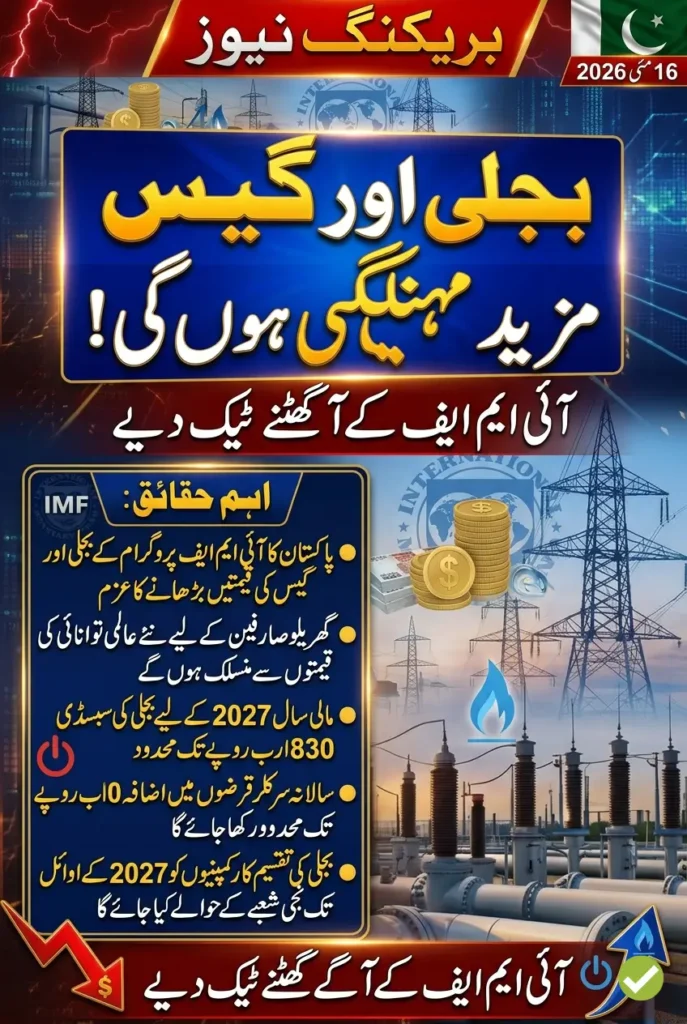
- Pakistan has committed to increasing electricity and gas prices under the IMF program.
- A full cost recovery model will link domestic tariffs with global energy prices.
- Electricity subsidies are capped at Rs. 830 billion for FY2027.
- Circular debt growth will be limited to Rs. 300 billion annually.
- Major power distribution companies will be privatized by early 2027.
Final Word
Pakistan’s agreement with the IMF reflects a difficult but necessary shift toward economic stability and energy sector reform. While these policies aim to resolve deep-rooted financial issues, they will also increase the financial burden on consumers in the short term. The real challenge for the government lies in balancing strict economic reforms with public relief, ensuring that long-term stability does not come at the cost of widespread hardship.
Punjab Announces New Fines for 26 Traffic Violations