
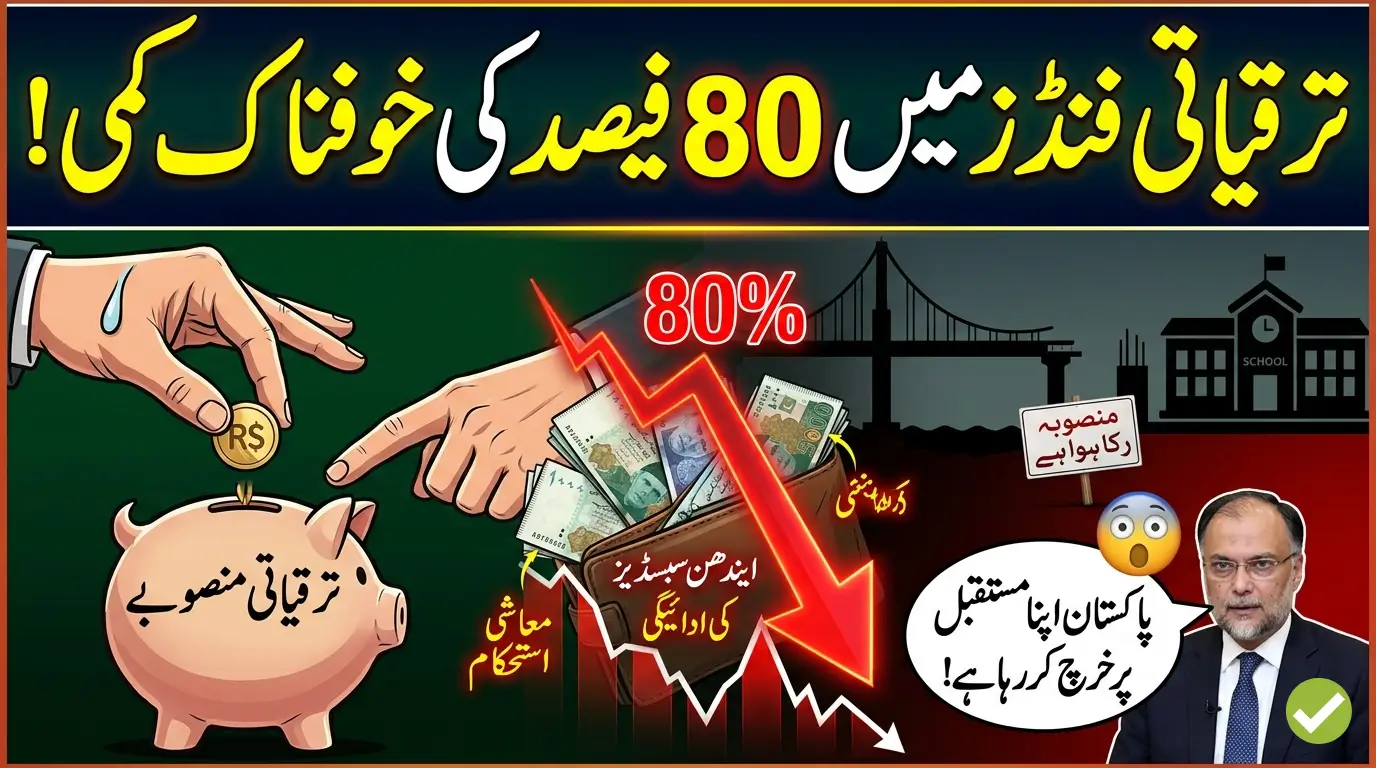
Pakistan’s development spending has declined significantly over the years, with the Public Sector Development Program (PSDP) shrinking by nearly 80% since FY2017-18. The government has redirected much of its financial resources toward managing economic challenges, including fuel price subsidies and stabilization measures in FY2025-26. This shift highlights the increasing pressure on the country’s fiscal space.
Pakistan Likely To Tax Cryptocurrency Transactions
پاکستان میں ترقیاتی اخراجات میں نمایاں کمی ایک سنگین معاشی مسئلے کی نشاندہی کرتی ہے، جہاں حکومت کو بڑھتے ہوئے قرضوں، مہنگائی اور مالی دباؤ کے باعث اپنے وسائل کا بڑا حصہ ایندھن سبسڈی اور معاشی استحکام پر خرچ کرنا پڑ رہا ہے۔ اس کے نتیجے میں پبلک سیکٹر ڈویلپمنٹ پروگرام PSDP کا حجم گزشتہ چند سالوں میں بہت کم ہو گیا ہے، جس سے نئے ترقیاتی منصوبوں کی رفتار سست پڑ گئی ہے۔ ماہرین کے مطابق اگر یہی صورتحال برقرار رہی تو ملک کی طویل مدتی معاشی ترقی متاثر ہو سکتی ہے اس لیے ضروری ہے کہ پاکستان برآمدات میں اضافہ کرے، قرضوں پر انحصار کم کرے اور ایک پائیدار معاشی حکمت عملی اپنائے۔
Why Has Development Spending Decreased?
The major reason behind the decline is rising debt servicing obligations and continuous macroeconomic stress. According to Planning Minister Ahsan Iqbal, external shocks and economic instability have forced the government to cut down development budgets. As a result, PSDP’s share in the federal budget dropped from 19.6% to just 4.0%, limiting funds for infrastructure and growth projects.
How Did the Government Use the Budget?
A significant portion of the FY26 budget was used to control fuel prices and provide energy subsidies. These measures were necessary to protect consumers from inflation but came at the cost of reduced development spending. The government prioritized economic stability over long-term development investments.
What Are the Economic Challenges Behind This Shift?
Pakistan is facing multiple challenges, including high debt, inflation, and limited revenue generation. These factors have reduced the government’s ability to invest in development projects. The reliance on borrowing has further strained financial resources, making it difficult to allocate funds for growth-oriented initiatives.
What Did Ahsan Iqbal Say About the Situation?
Ahsan Iqbal emphasized that PSDP is not just a budget allocation but a reflection of national priorities. He warned that Pakistan is spending more on debt and loans than on its future. He also stressed the need to move toward an export-driven economy instead of relying heavily on borrowing.
What Role Does the IMF Program Play?
The IMF program has influenced Pakistan’s fiscal policies by pushing for economic stabilization and reforms. The minister described it as “economic therapy,” necessary to correct past mismanagement. However, it has also limited the government’s spending flexibility, including development budgets.
What Is the Future Strategy for Pakistan’s Economy?
The government aims to shift toward a sustainable model based on exports, competitiveness, and domestic resource mobilization. Countries like Vietnam, China, and Malaysia were cited as examples of successful export-led growth. Pakistan is encouraged to follow a similar path for long-term stability.
Govt Sets 4% GDP Growth Target for FY27
How Will Limited Funds Affect Development Projects?
Due to the environmental constraints, most of the ApiSDP funders are being selected for ongoing projects after the NIMs, which means that the basic infrastructure and development measures are being exhausted and job creation can slow down.
What Was Decided in the APCC Meeting?
The Annual Plan Coordination Committee (APCC) approved a limited development strategy under the Uran Pakistan framework. The focus is on effectively completing existing projects while managing limited financial resources.
Oil Industry Seeks PM’s Intervention Over Rs. 66 Billion
FAQS
1. Why has development spending decreased in Pakistan?
Development spending has decreased rising debt, economic pressures, and the need to manage subsidies like fuel price support.
2. What is PSDP in Pakistan?
PSDP (Public Sector Development Program) is the government’s main budget for infrastructure and development projects.
3. How much has PSDP declined?
PSDP has dropped by nearly 80% from FY2017-18 to FY2025-26.
4. Where is most of the budget being spent now?
A large portion is being used for debt servicing, fuel subsidies, and economic stabilization.
5. What is the government’s future economic plan?
The government aims to shift toward an export-led economy and reduce dependence on loans.
Final Words
Pakistan’s declining development spending highlights serious economic challenges and shifting priorities. While stabilizing the economy and controlling inflation are important, declining investment in development projects could slow long-term growth. Moving forward, Pakistan must focus on exports, productivity, and sustainable economic reforms to build a stronger and more self-reliant future.
Gold Rate Suddenly Jumps in Pakistan After UAE Markets