
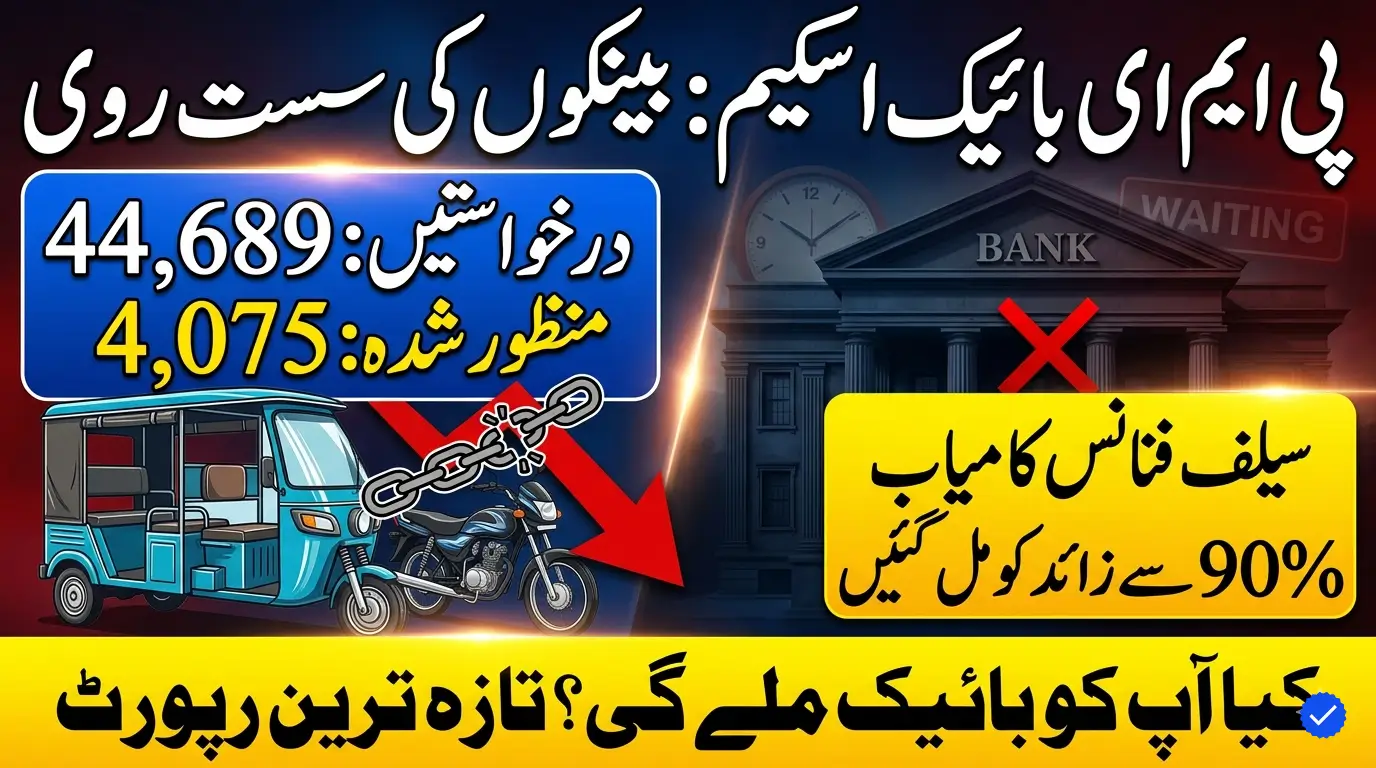
Banks Approve Only 4,075 of 44,689 E-Bike Rickshaw
The government has released a detailed update on the progress of its flagship electric vehicle initiative, highlighting both strong public interest and challenges in implementation. Under the Pakistan Accelerated Vehicle Electrification Program, thousands of citizens applied for electric bikes and rickshaws, aiming to benefit from subsidies and financing options.
Donald Trump Suspends Hormuz Operation Against Iran on Pakistan
According to documents submitted to the Economic Coordination Committee, the response to the scheme has been overwhelming, far exceeding the initial targets set for the first phase.
Massive Public Response to the Scheme
The first phase of the program targeted the distribution of 41,000 electric vehicles, including 40,000 electric bikes and 1,000 electric rickshaws and loaders. However, the government received an impressive 269,149 applications, reflecting a strong demand for affordable and environmentally friendly transport solutions.
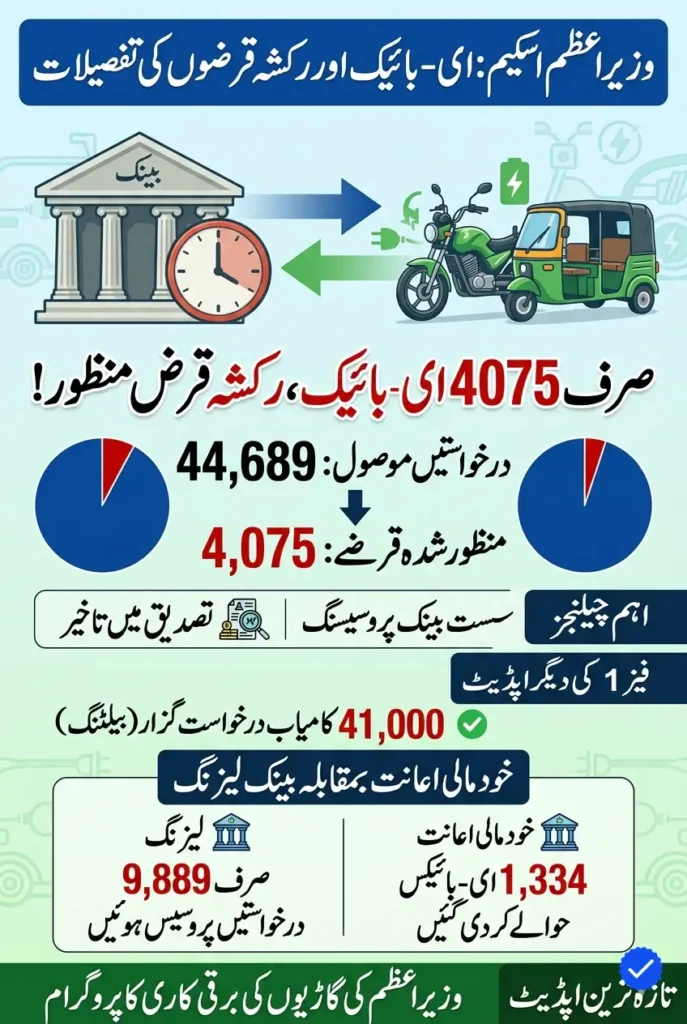
To ensure fairness, an electronic balloting process was conducted on October 1, 2025. Through this process, 41,000 applicants were declared successful, while the remaining applicants were placed on a waiting list for future phases.
Bank Loan Processing and Approval Challenges
So far, banks have processed 9,889 applications, out of which only 4,075 loans have been approved. The total value of these approved loans stands at Rs. 142.79 million, indicating a cautious approach by financial institutions in evaluating applications.
This gap between applications and approvals has raised concerns about accessibility and efficiency in the financing process. Many applicants are still awaiting decisions, which has slowed down the overall implementation of the scheme.
Government Raises BISP Payments to 19,500 from January 2027
Progress in Self-Finance Category
In contrast to the bank-financed category, the self-finance segment has shown significant progress. Out of 1,339 applicants in this category, 1,334 have already received their electric bikes.
Additionally, subsidy payments have been successfully disbursed to 1,033 beneficiaries. Officials have indicated that the remaining payments and vehicle deliveries are nearing completion, suggesting better efficiency in this segment of the program.
Importance of the Electric Vehicle Initiative
The program represents a major step toward promoting clean energy and reducing reliance on fossil fuels. By encouraging the use of electric bikes and rickshaws, the government aims to lower carbon emissions and improve urban air quality.
At the same time, the initiative is designed to provide affordable transportation options for citizens, particularly those in lower-income groups. Electric vehicles offer lower operating costs compared to traditional fuel-based vehicles, making them an attractive option for daily commuters.
Challenges in Implementation
While the scheme has been widely welcomed, several challenges remain. The slow pace of loan approvals is one of the primary concerns, as it delays access to vehicles for many applicants.
Other issues include administrative bottlenecks, verification delays, and limited coordination between government agencies and partner banks. Addressing these challenges will be crucial for the success of future phases of the program.
Gold Rate Slips to Rs. 4.7 Lac in Pakistan After 3rd Consecutive Decline
Future Prospects and Expansion
Given the overwhelming response, the government is expected to expand the program in upcoming phases. Increasing the number of vehicles and improving the financing process could help accommodate more applicants.
There is also potential for further policy improvements, such as simplifying application procedures, enhancing digital systems, and increasing collaboration with financial institutions to speed up approvals.
Broader Economic and Environmental Impact
The success of this initiative could have far-reaching implications for Pakistan’s economy and environment. Increased adoption of electric vehicles can reduce fuel imports, saving valuable foreign exchange.
Moreover, it can contribute to job creation in the manufacturing, maintenance, and charging infrastructure sectors. Over time, this could support the development of a sustainable and eco-friendly transport ecosystem in the country.
Passport Services Resume at Pakistan Embassies
FAQs
1. What is the purpose of the electric vehicle scheme?
The scheme aims to promote the use of electric bikes and rickshaws by providing subsidies and financing options.
2. How many applications were received in the first phase?
A total of 269,149 applications were submitted against a target of 41,000 vehicles.
3. How many loan applications have been approved by banks?
Banks have approved 4,075 loan applications so far.
4. What is the progress in the self-finance category?
Most applicants in this category have already received their vehicles, and subsidy payments are nearly complete.
5. What challenges is the scheme facing?
The main challenges include slow loan processing, administrative delays, and coordination issues.
Final Words
The electric vehicle scheme under the Pakistan Accelerated Vehicle Electrification Program marks an important step toward a cleaner and more sustainable future. While the strong public response highlights its potential, the slow pace of loan approvals shows that improvements are needed in implementation. By addressing these challenges, the government can ensure that the program achieves its goals and benefits a larger segment of the population in the coming years.
CM Punjab Revolutionary Internship Program Application Deadline Extended