
Table of Contents
- Cotton Industry Rejects Government Crop Estimates
- Reasons Behind the Industry’s Concerns
- Impact on Pakistan’s Textile Industry
- Economic Implications for Farmers and the Government
- Industry Demands Independent Verification
- Future Outlook for Pakistan’s Cotton Sector
- Conclusion
- FAQs
Cotton Industry
Pakistan’s cotton industry has openly challenged the government’s latest cotton production estimates describing them as unrealistic and far removed from the actual situation in the fields. Representatives from ginning factories textile mills and cotton traders argue that recent weather conditions pest attacks water shortages and shrinking cultivation areas have significantly reduced crop potential.
Vivo Launches Two Best Budget Phones With Massive 7200mAh Batteries
They say accurate production figures and counts are essential because the textile industry relies on reliable data to compete. Experts on the crop stressed that they should consult independent agricultural experts before formulating national estimates. They also said there was a risk that overestimated estimates could negatively impact farmers, exporters and policymakers.
Reasons Behind the Industry’s Concerns
Industry experts have highlighted several reasons for rejecting the government’s estimates. One of the biggest concerns is the decline in cotton cultivation due to farmers shifting toward more profitable crops such as sugarcane, maize, and rice. Rising production costs, including expensive fertilizer pesticides diesel and electricity have also discouraged cotton farming.
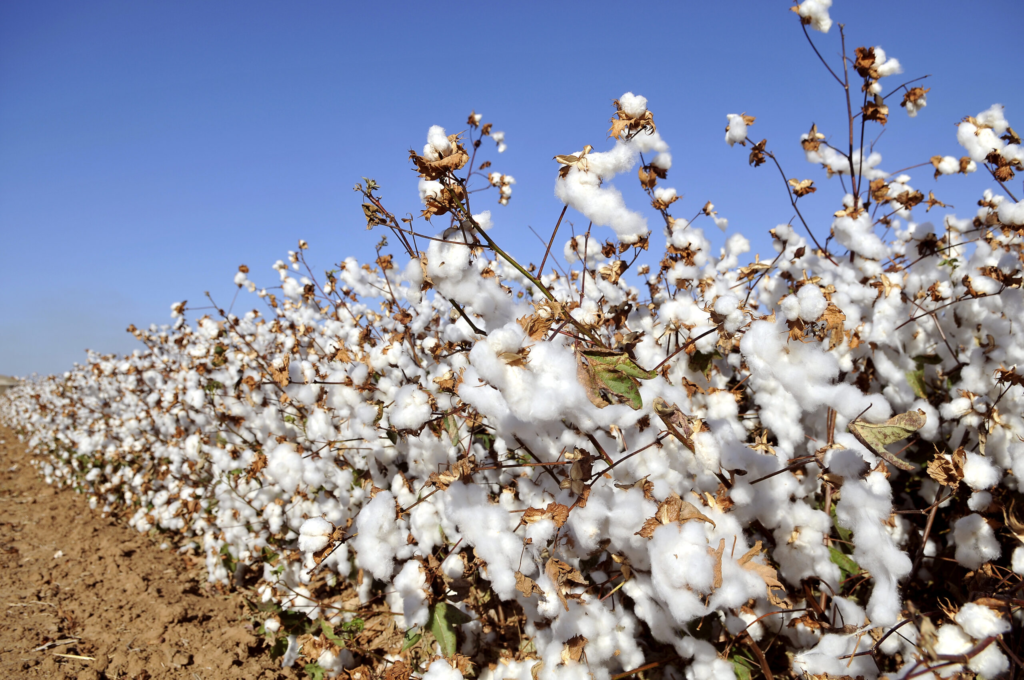
Representatives from the textile sector believe these challenges have significantly reduced the country’s actual production capacity. They argue that ignoring these realities could lead to incorrect policy decisions, affecting both domestic supply and international trade.
Impact on Pakistan’s Textile Industry
Pakistan’s textile sector is the country’s largest export industry and relies heavily on locally produced cotton. If actual production falls below official estimates, textile manufacturers may face shortages of raw material during the production season. This could force mills to import larger quantities of cotton from international markets at higher prices increasing manufacturing costs.
Exporters are concerned that unexpected supply shortages could delay production schedules and reduce export earnings. Smaller textile businesses would be particularly vulnerable because of limited financial resources to absorb higher import costs.
Aramco Cuts Oil Prices to Lowest Level in 5 Years
Economic Implications for Farmers and the Government
Accurate crop estimates are not only important for the textile industry but also for the national economy. Farmers rely on realistic market expectations when deciding how much cotton to grow and when to sell their harvest. If official estimates are significantly higher than actual production market prices may not accurately reflect supply conditions, potentially affecting farmers’ incomes.
Financial institutions rely on these estimates when providing agricultural financing and loans. Economists believe that inaccurate forecasts can distort economic planning and reduce investor confidence in Pakistan’s agricultural data. For this reason, industry representatives are calling for greater transparency and closer collaboration between government departments and private sector experts.
Industry Demands Independent Verification
The cotton industry has recommended establishing an independent verification mechanism involving agricultural scientists, provincial agriculture departments, textile associations, and farmer organizations. They believe collaborative assessments would provide more reliable production figures and improve confidence in official statistics.
Better data would help policymakers respond quickly to production challenges and design effective support programs for farmers. Stakeholders argue that transparent reporting will strengthen Pakistan’s reputation in international agricultural markets while supporting sustainable growth in the textile sector.
Conclusion
The disagreement between Pakistan’s cotton industry and the government over crop estimates highlights the importance of accurate agricultural data. Industry representatives believe current production forecasts do not reflect the challenges faced by farmers including climate conditions rising costs and reduced cultivation.
They are urging the government to conduct fresh surveys and involve independent experts before finalizing official figures. Reliable crop estimates will help farmers textile manufacturers, exporters and policymakers make informed decisions while supporting long term economic stability.
SBP Revises Deposit Profit Rule for Individuals 2 With Up to Rs. 10 Million in Banks
FAQs
1. Why is the cotton industry rejecting the government’s crop estimates?
The industry believes the official figures are higher than actual production because they do not fully account for weather damage, pest attacks, water shortages, and reduced cultivation.
2. Why are accurate cotton estimates important?
Accurate estimates help farmers, textile manufacturers, exporters, and policymakers make better production, pricing, and investment decisions.
3. How could lower cotton production affect Pakistan?
Lower production may increase cotton imports, raise manufacturing costs, reduce textile exports, and put pressure on the national economy.
4. What challenges are cotton farmers currently facing?
Farmers are dealing with rising input costs, climate change, pest infestations, water shortages, and competition from more profitable crops. Pakistan Cotton Ginners Association
5. What does the cotton industry want the government to do?
The industry is requesting fresh field surveys, independent verification, greater transparency, and the use of modern technology to produce more accurate crop estimates.